
Healthy eating guidelines seem to change all the time. In 2026, two new food pyramids have caught people’s attention and they look very different: the updated U.S. Dietary Guidelines for Americans and the newly published International Food Guide Pyramid. But when we look closely at the latest research and recommendations, many of the same healthy eating messages continue to appear.
While these two approaches have some differences, they actually have more in common than you may think. The message is very clear from both new pyramids; that the quality of the foods we eat matter! Both encourage eating more vegetables, fruits, whole grains, choosing nutritious sources of protein, and limiting foods high in added sugar, sodium, and saturated fats.
The New International Pyramid also has a lot in common with the Mediterranean diet, a well-studied eating pattern which focuses on choosing more plant foods, whole grains, beans, nuts, and healthier fats.
The real question isn’t simply which pyramid to follow, but what do these new approaches mean for the meals we eat every day? Let’s take a closer look!
What is the New International Food Guide Pyramid?
Published online September 23, 2026, in the journal Advances in Nutrition, a group of international nutrition researchers released a New International Food Guide Pyramid.
The pyramid was developed by an international team of nutrition experts who wanted to identify clear recommendations for healthy eating across different countries and cultures. Researchers compared dietary recommendations from seven countries and regions:
- Canada
- Germany
- Australia
- China
- The Netherlands
- The United States
- The Nordic Countries
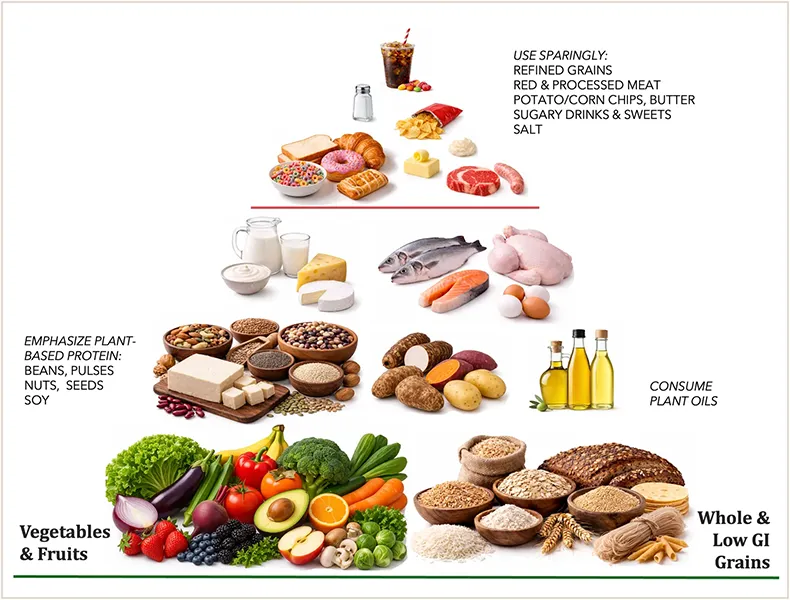
They also evaluated more than 250 scientific publications to help identify which foods and eating habits were linked with better health. The result was a food pyramid that encourages making food from plants a bigger part of everyday meals while still making room for animal-based foods.
An important thing to point out is that this is a research-based international framework, not a replacement for individual countries' official dietary guidelines.
What Food Does the International Food Guide Pyramid Recommend?
The International Food Guide Pyramid places the greatest emphasis on foods that should make up a large part of our everyday eating patterns.
Eat more often:
- Vegetables and fruits
- Whole grains, such as oats, barley, and whole-wheat bread
- Beans, lentils, peas, and other legumes
- Nuts and seeds
- Unsaturated fats from plant sources like olive oil
Enjoy in moderate amounts:
- Fish and seafood
- Chicken and turkey
- Eggs
- Dairy products, including yogurt
- Lean red meat
Eat less of:
- Highly refined grains
- Red and process meats, such as lunch meat, bacon, and sausage
- Sugary drinks
- Candy, sweets, and other foods high in added sugars
- Foods high in saturated fats
- High-sodium foods
One of the most important messages is to eat more plant foods as the base of your diet while still allowing flexibility to include animal products. It does not require everyone to become vegetarian or vegan.
Does the New International Pyramid Follow the Mediterranean Diet?
Does the International Food Guide Pyramid look familiar? Many of its recommendations closely reflect the principles of the Mediterranean diet, one of the most widely studied eating patterns for long-term health.
The Mediterranean diet focuses on enjoying a variety of vegetables, fruits, whole grains, beans, nuts, seeds, fish, and healthy fats like olive oil.
While the New International Pyramid isn't identical to the Mediterranean Diet, they share an important philosophy: Make plant foods a bigger part of your meals, enjoy a variety of foods, and choose healthier fats more often.
What's Different About the New 2026 U.S. Food Pyramid?
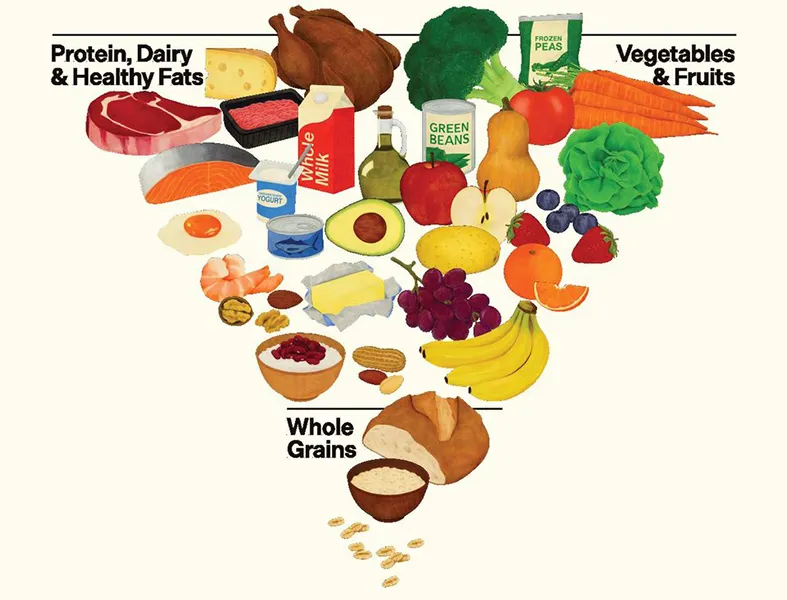
The United States also introduced its updated Dietary Guidelines for Americans, 2025–2030, on January 7, 2026. One big change is the return of the food pyramid, replacing the MyPlate visual that had been used in previous years.
The new U.S. Food Pyramid uses an inverted visual design, giving greater prominence to protein foods, dairy, fruits, vegetables, and healthy fats, while whole grains appear in a smaller section. Some of the biggest changes include:
Greater emphasis on protein
The new guidelines encourage including protein foods at every meal. They recommend a general protein goal of approximately 1.2–1.6 grams per kilogram of body weight daily, depending on individual needs. And they identify both animal and plant sources, including:
- Fish and seafood
- Chicken and turkey
- Eggs
- Lean meats
- Beans and lentils
- Nuts and seeds
- Soy foods, including tofu
More attention to dairy
The new guidelines encourage dairy products without added sugar and specifically emphasize full-fat dairy options. For a 2,000-calorie eating pattern, they recommend three dairy servings daily.
Less added sugar and highly processed foods
The new guidelines encourage dairy products without added sugar and specifically emphasize full-fat dairy options. For a 2,000-calorie eating pattern, they recommend three dairy servings daily.
Greater emphasis on whole foods and food preparation
Vegetables, fruits, whole grains, seafood, eggs, meat, nuts, seeds, and other nutrient-dense foods are highlighted. They also encourage baking, roasting, grilling, and broiling instead of deep-frying and preparing more home-made items.
What Do Both Food Pyramids Agree On?
While the visual pyramid and emphasis may be very different, they actually have a lot in common. Both encourage us to:
- Eat a variety of vegetables and fruits
- Choose whole grains more often
- Include different sources of protein
- Enjoy nuts, seeds, beans, and lentils
- Limit added sugar and sugary drinks
- Cut back on salt
- Select healthier fats
So, Where Do They Differ?
The biggest differences involve protein, dairy and fat choices.
The International Food Pyramid put more emphasis on plant-foods, whole grains, and healthier fats like olive oil, nuts, and seeds. Animal foods are included, but in more moderate amounts.
The U.S. Dietary Guidelines place more focus on protein at every meal, recommend higher daily protein, and encourage full-fat dairy. The new U.S. pyramid also gives more attention to animal-based food in their graphic, including meat and dairy, while the International Pyramid puts whole grains and plant proteins in the larger portion of the graphic.
The two approaches also differ in their message about fats. The International Pyramid recommends unsaturated fats from plant sources, such as olive oil, nuts, and seeds, while encourage people to limit foods high in saturated fat.
International Recommendations vs U.S. Guidance

How Do They Compare?
← Swipe to compare recommendations →
| Nutrition Topic | International Food Guide Pyramid | 2026 U.S. Guidance |
|---|---|---|
| Vegetables and Fruits | Foundation of the diet | Strongly encouraged |
| Whole Grains | Major dietary emphasis | Encouraged over refined grains |
| Plant Protein | Primary protein emphasis | Encourages both plant and animal protein |
| Animal Protein | Moderate amounts, with fish and poultry favored over red meat | Protein emphasized at every meal |
| Dairy | Modest amounts, with fermented options emphasized | Three servings in a 2,000-calorie pattern; full-fat options encouraged |
| Healthy Fats | Emphasizes unsaturated plant fats | Includes several animal and plant fat sources |
| Red & Processed Meat | Limited | Includes red meat among recommended protein options |
| Added Sugars | Limit particularly sugary beverages and sweets | Strongly limit added sugars |
| Refined Carbohydrates | Limit | Reduce refined carbohydrates |
| Food Processing | Prioritize minimally processed foods | Strong emphasis on reducing highly processed foods |
Five Simple Ways to Put These Recommendations Into Action
All of this information is good, but what does it actually look like when planning meals or grocery shopping? Here are five easy ways to get started:
1. Make Vegetables and Fruits a regular part of your meals
Include a variety of colors throughout the week. Different fruits and vegetables provide different vitamins, minerals, and other beneficial nutrients.
Some simple ideas:
-
- Keep baby carrots, peppers or cucumbers on hand for quick snacks or to add to bowl and salads.
- Add spinach and other leafy greens to eggs, soups, and casseroles.
- Include a side salad or roasted seasonal vegetables with dinner.
- Add berries or sliced fruit to breakfast or as snacks.
2. Choose quality protein sources
You don't have to eat steamed chicken breast every day to get enough protein. Alternate between chicken and turkey, lean red meat, fish and seafood, beans and lentils, eggs, tofu and other soy foods, nuts and nut butters. This approach supports protein needs while providing more variety in your diet.
3. Choose fiber-rich carbohydrates
Whole grains contain fiber and other nutrients that are lost when grains are highly refined. These foods provide nutrients that support digestive health and help create satisfying meals. Try:
-
- Oatmeal instead of low-fiber breakfast cereal.
- Brown rice instead of white rice.
- Whole-wheat bread for sandwiches.
- Barley or quinoa in soups and salads.
4. Be mindful of portions
Even nutritious foods contribute calories, so portion sizes should reflect your needs. What you need is not the same as your spouse, best friend, or family member. A healthy eating pattern should provide enough food and nutrients without continually exceeding individual energy needs leading to weight gain. If you aren't sure how much you should be eating, our Registered Dietitians can help.
5. Make healthy eating easier on yourself
One of the biggest obstacles to healthy eating is finding the time to shop, prepare ingredients, cook, and clean up. A little planning can help. Keep frozen fruits and vegetables in the freezer, cook extra whole grains or protein to use in another meal, prep ingredients ahead of time. The easier it is to make a balanced meal, the more likely you are to stick to it.
Having balanced meals readily available can make it easier to maintain healthy habits. This is where freshly prepared, Dietitian-Designed Meals can be particularly helpful!
How Seattle Sutton's Healthy Eating Meals Fit into the New Nutrition Science
The new International Food Guide Pyramid and the 2026 U.S. Dietary Guidelines offer an excellent opportunity for people to rethink how they approach everyday meals. The good news is that healthy eating doesn't have to be complicated and many of the basics of healthy eating haven't changed!
Seattle Sutton's Healthy Eating has been focused for over 40 years on balanced nutrition, portion awareness, variety, vegetables, fruits, whole grains, and thoughtfully selected protein sources. Whether your goal is to improve your overall eating habits, enjoy more vegetables, incorporate plant-based meals, manage portions, or simply make healthier choices more convenient, having nutritious meals ready when you need them can make all the difference in your health.
At Seattle Sutton's Healthy Eating we offer you a convenient way to incorporate these principles into their daily routines. We make it easier to put healthy eating into practice, one delicious, balanced meal at a time!


Start Your Healthy Journey Today!
Order Now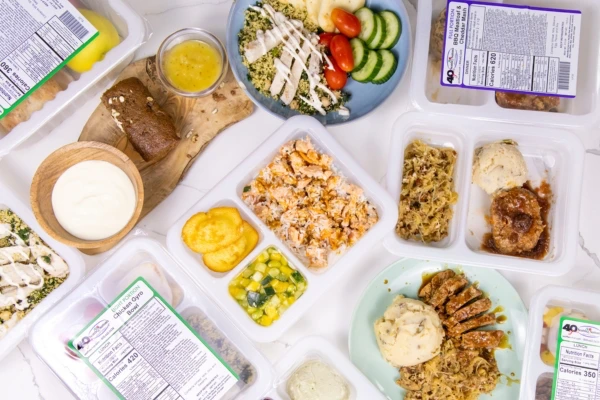

 Weight Loss
 Health & Wellness
 Diabetes
 Heart Health
 Motherhood & Family
 Dietary Restriction
 Other Health Conditions
 About SSHE
Learn More And Boost Your Well Being