When it comes to weight management, calories are often the main focus of the conversation. You probably have heard of a 1,200-calorie diet, a structured eating plan that provides approximately 1,200 calories a day. But what does that actually look like? Can you get enough nutrients, feel satisfied, and maintain your energy while following this type of meal plan?
The answer depends on your individual needs and how your meals are planned. A balanced approach should focus on more than just calories. For a truly healthy calorie-controlled meal plan, it should prioritize protein, fiber, fresh fruits & veggies, healthy fats, and other nutrient-rich foods to support overall health.
Let's take a closer look at what a 1,200-calorie diet includes, how food choices affect hunger and energy, and whether this calorie level may be right for you.
What is a 1,200-Calorie Diet?
A 1,200-calorie diet is an eating plan that provides about 1,200 calories throughout the day. It is sometimes used as a structured approach to weight loss or weight management for certain people.
For any diet, what makes it healthy isn't the number of calories, it is what makes up those calories. By focusing on a variety of foods, you can help make sure you're getting all the nutrients your body needs.
A healthy 1,200-calorie meal plan should include a balance of carbohydrates, protein, and healthy fats, along with essential vitamins & minerals, and fiber. Having this balance helps to support overall health, energy, and promotes fullness and enjoyment.
Reaching and maintaining a healthy body weight with a balanced diet can help improve blood pressure, cholesterol, and blood sugar. For instance, if a person needs weight loss, pairing an appropriate calorie deficit with healthy lifestyle habits, like exercise, sleep, and stress management can improve individual health concerns and support overall health.

Can You Get Enough Nutrition on 1,200 Calories?
Yes! As long as your meals and snacks are well planned it is possible to meet all of your nutrition needs. Because calories are limited, your food choices matter. Rather than simply choosing the lowest calorie foods, you must focus on nutrient-dense options and portion control.
These are some important nutrients and food groups to prioritize:
- Protein: Including protein with meals and snacks is important on a 1,200 calorie diet. Protein foods help support muscle maintenance, tissue repair, and fullness.
Include foods like lean meat, fish, eggs, tofu, beans, and dairy products.
- Fiber: Eating plenty of fiber-rich foods helps to support digestion, heart health, blood sugar levels, and feelings of fullness.
Choose whole grains, gruits, veggies, beans, nuts, and seeds.
- Fruit & Vegetables: Including all the colors of the rainbow from a variety of fruits and vegetables helps your body get essential vitamins, minerals, antioxidants, and fiber.
Eating different colors throughout the day provides a wider range of nutrients.
- Healthy Fats: Healthy sources of fat help your body absorb cetain viatmins and support cell function.
Include options like olive oil, nuts, seeds, avocado, and fatty fish.
- Dairy or fortified alternatives: It is essential to include your regular dairy servings. These foods help you meet nutrition guidelines and round out nutrients such as calcium, vitamin D, and protein.
The goal is to build meals that offer a variety of nutrients instead of relying on the same foods day after day, or eliminating entire food groups.
At Seattle Sutton's Healthy Eating, our dietitian-designed 1,200-calorie meal plan is developed with nutrition and balance in mind. Our menus follow the Dietary Guidelines for Americans, American Diabetes Association recommendations, and follow principles for heart-healthy nutrition and the Mediterranean diet.
Can You Feel Satisfied on a 1,200-Calorie Diet?
One of the biggest concerns people have when thinking about going on a calorie-controlled meal plan, like a 1,200-calorie plan, is if they will feel hungry all day. But it is possible to follow this type of plan and feel full and satisfied.
The trick is in your food choices and how you make up your meals. Including protein, fiber-rich carbohydrates, fruits, vegetables, and some healthy fat in meals can help promote fullness and help you avoid reaching for a snack an hour later. Also, focusing on foods with plenty of water and fiber, such as fruits and vegetables, can add volume to meals.
Variety matters too! If you are trying to build a satisfying 1,200-calorie meal plan, it is important not to give up your favorite foods. Pasta, bread, and even dessert can fit into this pattern and actually make it more realistic that you'll be able to stick to it longer than if you're being overly restrictive.
The goal is to create balanced meals without unnecessary restrictions that leave you feeling full, not to see how little you can eat.

How Can a 1,200-Calorie Diet Support Energy?
Food provides the energy your body needs throughout the day. When calories are limited, it's especially important to choose foods that provide energy and lots of nutrition, and to spread those calories pretty evenly throughout the day.
A Few Tips to Support Your Energy Levels:
- Maintain a regular meal schedule: Eating consistently throughout the day and avoiding going too long without nourisment is the number one thing to do to support your energy levels.
- Stay hydrated: Drinking enough water is really important for combatting dehydration which can contribute to fatigue.
- Get enough sleep: Without enough sleep you are already starting with low energy. In addition, too little sleep impacts your homones that impact hunger and fullness, making it harder to stick to your meal plan.
- Stay active: Getting regular exercise helps support energy, mood, and overall health.
It's important to remember that a 1,200-calorie diet doesn't automatically increase energy. If this calorie amount is too low for you, you may experience fatigue or weakness. Getting enough calories and nutrients is essential for you to feel your best.
What Does a Day Look Like on a 1,200-Calorie Meal Plan?
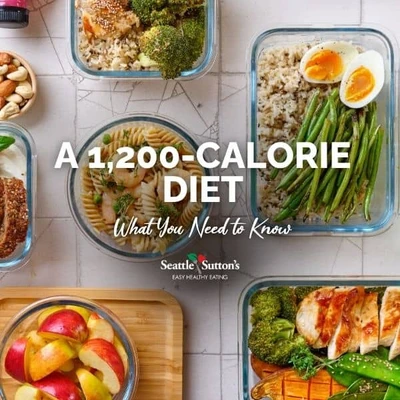
A healthy and balanced 1,200-calorie meal plan should include breakfast, lunch, dinner, and a variety of foods throughout the day.
Here's an example of what a day may look like:
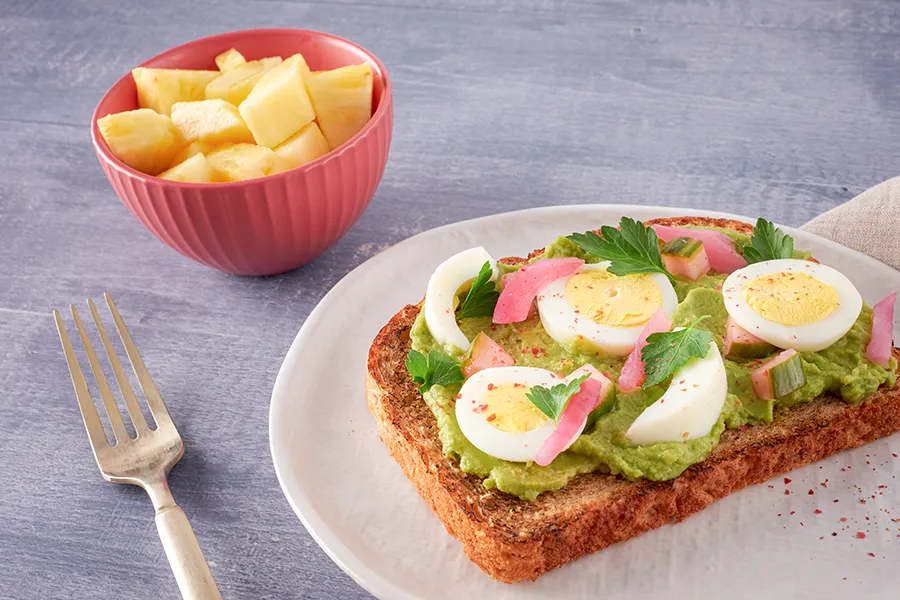
Breakfast: Start your morning with protein and fiber such as eggs with whole grain toast or oatmeal with berries and nuts.
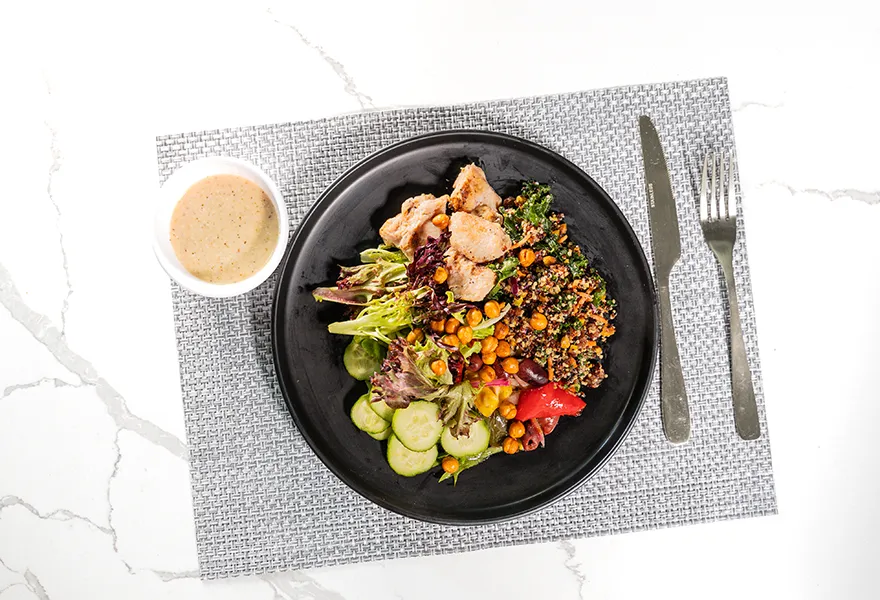
Lunch: Choose a combination of protein, vegetables, and whole grains to make a filling meal such as chicken salad, whole grain crackers, and veggie sticks.
Snack: A half-cup serving of cottage cheese is a good choice for additional protein.
Dinner: Build a balanced plate with half of your plate filled with non-starchy veggies, a quarter with lean protein, and the remainder carbohydrates. For example, baked fish with a baked potato and salad makes a well-rounded meal.

Snack: A container of Greek yogurt provides calcium and protein.
Remember to drink your water regularly throughout the day too!
Do You Need Snacks on a 1,200-Calorie Diet?
Snacks can definitely fit into a calorie-controlled eating plan! And they can help fill nutrition gaps, regulate blood sugar and hunger throughout the day. Depending on your body and schedule you may prefer three meals or smaller meals with snacks in between.
The key is choosing snacks that offer plenty of nutrition, are portion-controlled, and help you feel your best. Snacks are also a great idea for people who need more than 1,200 calories a day to help meet their needs.
Some good snack options include:
- Greek yogurt with berries
- Cottage cheese with fruit
- Apple slices with hummus
- A small handful of nuts
- Hard-boiled egg
- String cheese
You don't have to avoid snacking to follow a healthy calorie-controlled diet. In fact, including the flexibility of having snacks can make the diet feel more realistic and enjoyable.
Seattle Sutton's Healthy Eating's 1,200-calorie dietitian-designed meal plan includes breakfast, lunch, and dinner daily and recommends our customers to add in 2 servings of fat-free dairy every day. These dairy servings can be enjoyed as a snack while still maintaining the 1,200-calorie goal.
How to Adapt a 1,200-Calorie Meal Plan to Meet Your Needs
It's important to remember that nutrition needs are unique and a 1,200-calorie meal plan doesn't need to be treated as a rigid set of rules. You can use a prepared meal plan as a starting point and then adjust the plan to meet your needs by adding snacks or additions to your meals.
Here are a few things to consider:
- Add food when you need more. If you're hungry between meals, a healthy snack can help you get by without setting yourself up to overeat later.
- Consider your activity level. If you are very active, having a physically demanding job, or spend the majoirty of your day moving, you may need more calories. Adding additions to your meals such as a side salad with dressing and seeds, or extra protein like chicken or eggs, or a snack may be appropriate.
- Choose a calorie lvel that is right for you. Pay attention to your energy, hunger, and mood. If you start feeling fatigued, dizzy, or weak, your body may be signaling it isn't getting enough. Rather than forcing yourself to stick to a plan that is too restrictive, talk to your medical provider or a registered dietitian to see if you need a higher-calorie level.

What About Eating Less than 1,200 Calories a Day?
Sometimes people think that eating as little as possible will lead to quicker and more weight loss. While this may be tempting, it is not healthy or an approach that can be realistically maintained for a long time. In addition, eating fewer than 1,200 calories a day makes it very difficult to meet the needs our bodies need to be healthy and strong.
If you are limiting your intake too much it is challenging to get the recommended protein, fiber, and fruits & veggies for a healthy diet. Eating too little could also lead to loss of muscle mass, weaker bones, difficulty concentrating, nutrient deficiencies, and more.
If you are considering starting a diet with less than 1,200 calories a day, it's important to talk to your medical team first to determine if it is right for you and develop a plan to monitor your nutrition status and lab work to protect your health.
Is a 1,200-Calorie Diet Right for Everyone?
No! Everyone has different calorie needs and cutting their calories too low, such as going on a 1,200-calorie meal plan, is not appropriate for everyone.
Calorie needs vary depending on age, sex, body size, activity level, and more. Many adults need more than 1,200 calories, especially those who are very active, pregnant or breastfeeding, or recovering from illness or surgery.
How Can a 1,200-Calorie Diet Fit into Different Health Goals?
For those who are managing certain health conditions, a balanced 1,200-calorie eating pattern may be an option to help achieve a healthy weight while making nutritious food choices.
- Diabetes: Losing weight, if overweight or obese, can help improve hemoglobin A1c and diabetes management. Some people with diabetes have even been able to decrease or go off certain diabetes medications by reaching a healthier weight.
By choosing healthier portions and including fiber-rich carbohydrates, lean protein, and healthy fat, a low-calorie diet can help support better blood sugar. Having consistent meals throughout the day and appropriate portions is key.
- Heart Health and High Cholesterol: Following a calorie-controlled diet that emphasizes fruits, vegetables, whole grains, lean protein, and is low in saturated fat, sodium, and added sugars can support overall heart health.
- Healthy Aging: As we age, our calorie needs often decrease, but our needs for protein, calcium, viamin D, fiber, and other important nutrients remain important. Making sure you're getting a balanced diet helps mainatin muscle strength, independence, bone health, and energy levels.
A healthy diet should support more than a number on a scale. Whether your goal is weight loss, heart health, better blood sugar, or healthy aging, choosing nutrient-rich meals and finding the right calorie level for your body is important for overall health.
What is Seattle Sutton's Healthy Eating's 1,200-Calorie Dietitian Designed Meal Plan
Planning meals and counting calories can take a lot of time. A pre-prepared meal plan can simplify the process and take the guesswork out of healthy eating.
Seattle Sutton's Healthy Eating offers a 1,200-calorie dietitian designed meal plan that provides breakfast, lunch, and dinner with a rotating 5-week menu, so you never get bored and are confident in knowing your nutrition needs are getting met.
Our 1,200-calorie plans average approximately:
- 75 grams of protein per day
- 17-19 grams of fiber per day
- 1500 mg of sodium per day
Personalized Nutrition Support From Our Registered Dietitians
At Seattle Sutton's Healthy Eating, we understand that everyone's calorie and nutrition needs are different. That's why we have Registered Dietitians available to help you calculate your individual caloric needs and determine how our meal plans can fit into your personalized nutrition goals.
Our 1,200-calorie meal plan can serve as a foundation for building a personalized daily eating plan. For example, someone with diabetes who requires approximately 1,500 calories per day may use our 1,200-calorie plan as a starting point. Additional snacks can then be incorporated between meals to help meet their individual energy and carbohydrate needs.
One example would be adding 100-calorie needs containing approximately 15 grams of carbohydrates between meals. This approach allows the convenience of balanced nutrition from our prepared meals while better meeting personal needs.
Using our plan as the foundation of your day can make it easier for you to enjoy variety, try new foods, and maintain a consistent schedule of healthy meals. It's the convenience of having a dietitian and chef in your corner, doing the hard work for you!
Make Balanced Eating Easier with Seattle Sutton's Healthy Eating
Eating well doesn't have to mean complicated meal planning, counting every calorie, or spending hours in the kitchen. Having balanced meals prepared and portioned for you can make it easier to stay consistent with nutrition goals.
Whether you're looking for a convenient way to enjoy balanced meals or need a little help building a more consistent eating routine, we're here to make healthy eating easier.

Start Your Healthy Journey Today!
Order Now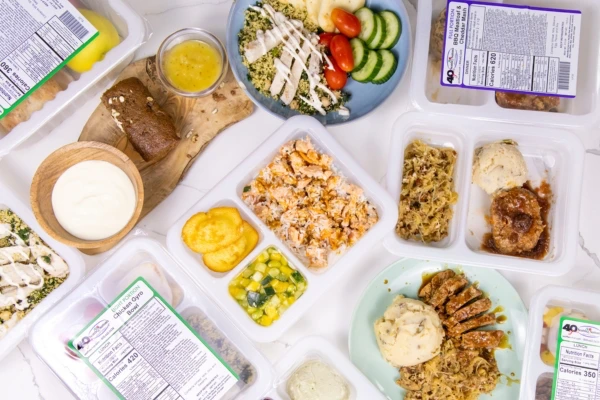
 Weight Loss
 Health & Wellness
 Diabetes
 Heart Health
 Motherhood & Family
 Dietary Restriction
 Other Health Conditions
 About SSHE
Learn More And Boost Your Well Being