Could your diet be missing some important nutrients? A new CDC report provides a closer look at the nutritional status of Americans, and the answer may be hiding in your grocery cart.
When it comes to good nutrition, knowing what your body needs is only half the equation. The other half is knowing which foods can help you get those nutrients and finding ways to enjoy them so they become a regular part of your diet.
The CDC's 2026 National Report on Biochemical Indicators of Diet and Nutrition in the U.S. Population uses two decades worth of data from the National Health and Nutrition Examination Survey (NHANES) to assess the nutritional healthy of Americans. By analyzing biomarkers measured in blood and urine samples, the report offers valuable insights into how well the U.S. Population is meeting its nutritional needs.
The report revealed some positive trends, but there is still room for improvement. Three nutrients stood out: omega-3 fatty acids, vitamin D and iron. Let's take a look at what the report highlighted and some simple ways to get more of these important nutrients.
Omega-3s: Health Benefits, Food Sources, and Signs of Deficiency
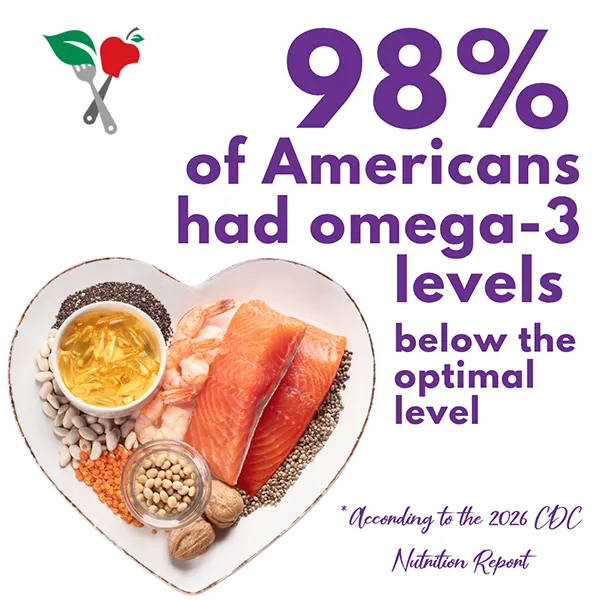
Are omega-3 fatty acids regularly on your plate? If not, you're not alone. The latest report found that more than half of the U.S. population had an undesirable omega-3 index, while 98% had levels below the optimal level.
Why are omega-3 fatty acids important
Omega-3 fatty acids, often known as "healthy fats," are polyunsaturated fats that play important roles throughout the body. They are components of cell membranes and are especially concentrated in the brain and eyes.
The body cannot make the amount of omega-3s needed for health, that is why we often refer to them as "essential." EPA and DHA, two types of omega-3s found primarily in seafood, are especially known for their role in heart health.
What foods are high in omega-3s?
One of the easiest ways to increase your EPA and DHA is to eat fatty fish regularly. Try adding:
- Salmon
- Sardines
- Tuna
- Mackerel
- Walnuts
- Chia seeds
- Ground flaxseeds
Sprinkle chia or ground flaxseeds over oatmeal or yogurt, add walnuts to a salad, or make a salmon dinner part of your weekly meal rotation. Regularly including seafood, nuts and seeds can help add more omega-3-rich foods to your diet.
What are the symptoms of omega-3 deficiency?
Symptoms of Omega-3 are not always obvious, but there are some tell-tale signs you can look out for. It is also recommended to consider your overall diet before assuming you are deficient in any one nutrient. Some common symptoms to watch for include:
- Dry and irritated skin: This is one of the most commonly recognized symptoms of inadequate omega-3s. If you're not getting enough omega-3, your skin may become drier and flakier than normal. Acne is also commonly associated with insufficient omega-3's.
- Brittle and thinning hair: Like your skin, your hair can be affected by low levels of omega-3s. This important nutrient helps support moisture retention and the body's natural repair process. When levels are too low, dandruff and brittle, thinning hair can result. A 2015 randomized, controlled trial, found a six-month supplementation with omega-3 and omega-6 fatty acids, combined with antioxidants, helped reduce hair loss and improve hair density.
- Low mood and depression: Omega-3 fatty acids have a significant impact on brain and nervous system function. People who are low on Omega-3s often report brain fog, mood swings, and depression symptoms, particularly in menopausal women. While other external factors should be considered when evaluating mental health, an independent 2025 study found omega-3 fatty acids EPA and DHA support cognitive health and reduces the risk of depression and anxiety in adulthood.
- Dry eye and sensitivity: DHA plays an important role in eye health, supporting both the retina and maintaining healthy tear production. It's no wonder why dry eyes, irritation, and blurred vision makes the list of common omega-3 deficiency symptoms. A 2019 review found that omega-3 supplements may help improve tear production and, when combined with conventional dry eye treatments, can provide additional relief from dry eye symptoms.
- Joint pain and arthritis: Omega-3 fatty acids are packed with anti-inflammatory properties. In fact, studies have found that omega-3 supplements may help reduce inflammation and ease joint pain in people with conditions such as rheumatoid arthritis and lupus.
Vitamin D: Why It Mattersw, Where to Find It, and Signs You're Running Low
Vitamin D has been a hot topic in nutrition for years and the latest CDC report has some good news. Since the early 2000s, average blood levels of vitamin D have increased by about 20%, while the rate of Vitamin D deficiency has declined.
Part of this improvement may be due to greater public awareness of the health benefits of vitamin D. Recent updates to Nutrition Facts labels have also made it easier for Americans to identify foods that are good sources of this important nutrient.
Can you get too much vitamin D?
Despite these encouraging stats, the report does highlight a concerning trend: individuals who have excessive vitamin D levels increased. Since vitamin D is not abundant in most food sources, those with levels above the recommended range were primarily observed among those who were taking supplements.
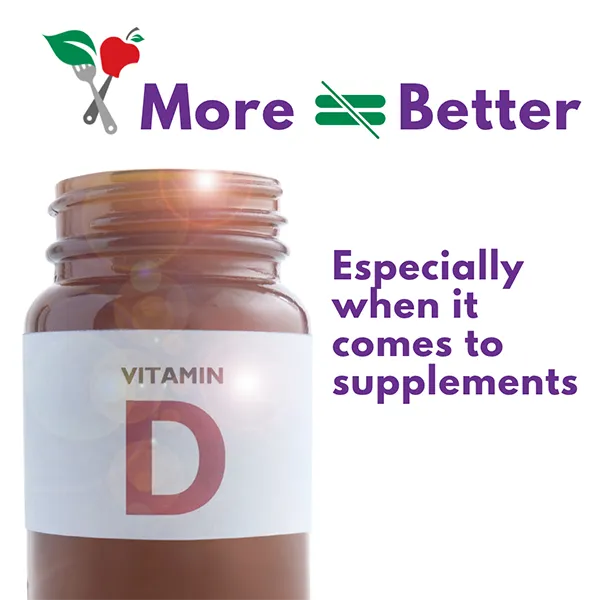
This is a helpful reminder than when it comes to nutrients, more isn't necessarily better. Taking more than you need (especially from supplements) doesn't provide additional benefits and could possibly cause harm.
What foods contain vitamin D?
Vitamin D is an important nutrient for bone health and also plays a role in muscle and immune function. Now, new research shows that it is also important for reducing inflammation, improving blood sugar, and even helping people reach a healthy weight.
Vitamin D occurs naturally in only a few foods, including:
- Fatty fish
- Fish liver oils
- Egg yolks
- Some mushrooms
- Fortified dairy foods
Fatty fish are the best natural sources, so including more fish in the diet as we detailed in the omega-3 section above will also help here. It's important to note that sitting outside in the sun naturally triggers the body to convert a cholesterol derivative into vitamin D.
What should you do about vitamin D supplements?
If you take a vitamin D supplement, it is a good idea to talk to your healthcare provider to make sure you are taking the right amount for you and whether testing your vitamin D level may be a good idea.
What are the symptoms of vitamin D deficiency?
- Fatigue: One of the most common signs of a vitamin D deficiency. Vitamin D helps support energy production and reduce inflammation, so low levels may leave you feeling tired, sluggish, and lacking energy.
- Back pain: Vitamin D helps keep bones and muscles healthy, so low levels may contribute to ongoing aches and pains. In a study of adults with chronic low back pain, nearly 2/3 of participants had either vitamin D deficiency or insufficiency, suggesting that inadequate vitamin D may be a contributing factor to persistent back discomfort.
- Frequent infections: Vitamin D helps support a healthy immune system. Research has found that people with low vitamin D levels may be more likely to develop respiratory infections, such as colds and other upper respiratory illnesses. In one study of nearly 19,000 adults, respiratory infections were more common among those with low vitamin D levels than among those with adequate levels.
- Bone loss and fractures: Vitamin D helps your body absorb calcium, which is essential for building and maintaining strong bones. When vitamin D levels are too low, bones can become weaker over time, increasing the risk of bone loss and fracture. Research has found that people with low vitamin D levels may have up to a 60% higher risk of hip fractures compared to those with adequate levels.
Iron: Why You Need It, How to Get More of It, and Symptoms of Low Levels
Iron was also highlighted in the report and is worth keeping on your radar, especially if you are a woman of reproductive age. The CDC reported that iron deficiency increased among women between 12-49 years old. This increase was even higher among Mexican American women.
Why does your body need iron?
Iron is a vital mineral needed to make hemoglobin, the protein in red blood cells that carries oxygen throughout the body. If your body doesn't have enough iron, it cannot produce enough healthy oxygen-carrying red blood cells which, can cause a host of problems.
Exhaustion and fatigue are telltale signs that your body isn't getting enough iron. People lacking enough iron in their blood often feel sluggish, weak and unable to focus. If fatigue doesn’t go away with adequate rest, it may be time to get your iron levels checked.
How much iron do you need?
|
Life Stage |
Recommended Amount |
|
Adult men 19+ |
8 mg/day |
|
Women 19-50 |
18 mg/day |
|
Women 51+ |
8 mg/day |
|
Pregnant women |
27 mg/day |
|
Breastfeeding women |
9 mg/day |
What foods are high in iron?
Iron comes in two forms: heme iron, found in animal foods, and non-heme iron, found primarily in plant foods and fortified products. Good sources of iron include:
- Lean beef
- Poultry
- Seafood
- Beans and lentils
- Spinach and other leafy greens
- Iron-fortified cereals and breads
- Nuts and seeds
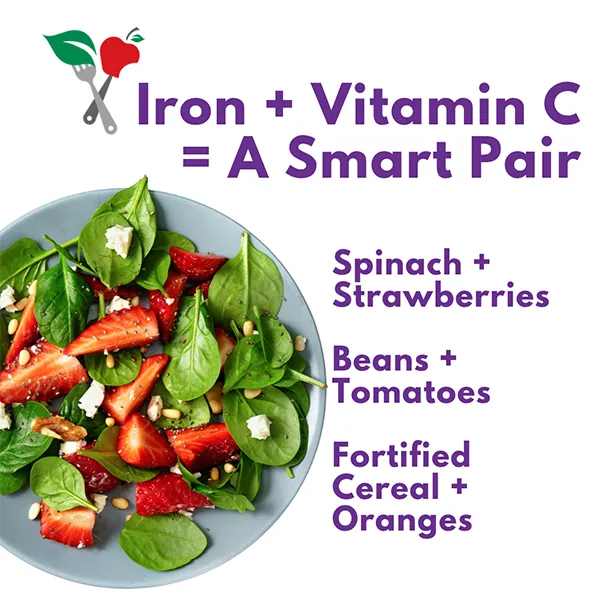
A simple tip to help improve your absorption of non-heme iron (plant-based) is to pair it with foods high in vitamin C. Some examples include a spinach salad with strawberries, beans with tomatoes, iron-fortified cereal with oranges.
What are the symptons of iron deficiency?
- Fatigue and poor sleep: Because iron is essential for energy production, a deficiency can leave you feeling tired during the day and make it harder to get restful sleep at night. Research has found that women with iron deficiency were more likely to report poor sleep quality, and those with iron deficiency anemia had more than twice the odds of poor sleep compared to women with healthy iron levels.
- Weakness and dizziness: Without enough iron, your muscles, brain, and other tissues may not receive the oxygen they need to function properly. This can result in weakness, lightheadedness, and dizziness. Research suggests that iron deficiency anemia may even affect parts of the inner ear involved with maintaining balance.
- Headaches: Frequent migraines may be a sign of low iron levels. Research has found that people with iron deficiency, especially women, are more likely to experience migraines and severe headaches. Studies also suggest that lower iron levels are linked to more intense headache symptoms, and correcting iron deficiency may help reduce their frequency and severity.
- Low body temperature: Iron helps your body transport oxygen and produce energy, both of which are important for maintaining normal body temperature. When iron levels are low, your body may have a harder time generating and regulating heat, causing you to feel unusually cold, have cold hands and feet, or struggle to stay warm in cooler environments.
- Pale or yellow skin: Healthy red blood cells help give skin its normal color. When iron levels are too low, the skin may appear unusually pale, especially on the palms, nail beds, inside the lower eyelids, or face. In more severe cases of anemia, pale skin is a common and recognizable warning sign.
- Irregular heartbeat, shortness of breath, and chest pain: A lack of iron can reduce the amount of oxygen available to your body's tissues, forcing the heart to work harder to meet demand. Over time, this can lead to symptoms such as a rapid or irregular heartbeat, shortness of breath (especially during physical activity), and in more severe cases, chest pain.
The Takeaway: Food Choices Add Up
The latest CDC report gives us a helpful look at where nutritional status is changing across the American population and where our food choices can make a difference. Nutrition isn't about eating the same boring foods all the time or taking every supplement advertised. It's about consistently building a balanced, varied diet that provides a wide range of nutrients.
Think about 3 simple additions:
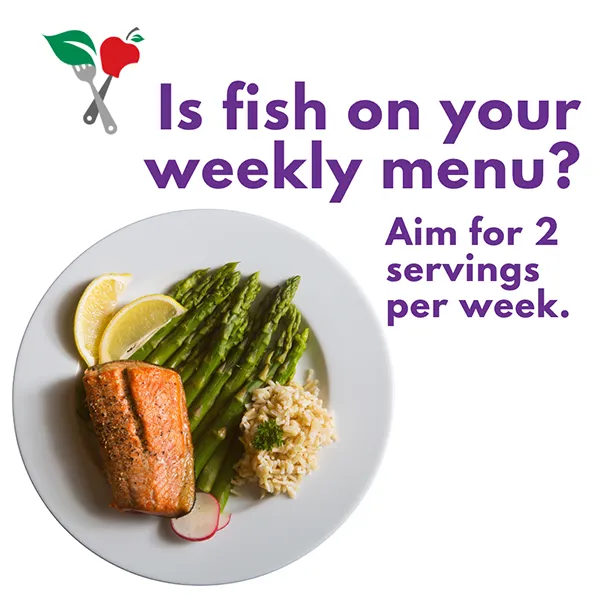
- Omega-3s: Add salmon or another fatty fish to your menu twice a week.
- Vitamin D: Include vitamin D-rich foods like fortified dairy foods, whole egg yolks, or fish regularly.
- Iron: Include beans, leafy greens, or lean meats (and pair plant-based sources with vitamin-C rich foods to help absorption).
You don't have to completely overhaul your diet to make a difference, just start with one small change that feels realistic for you and build from there. The foods you choose today can add up over time and improve overall nutrition.

Start Your Healthy Journey Today!
Order Now
 Weight Loss
 Health & Wellness
 Diabetes
 Heart Health
 Motherhood & Family
 Dietary Restriction
 Other Health Conditions
 About SSHE
Learn More And Boost Your Well Being