Quick Answer:
- Most Healthy older adults should aim for 1.2 to 1.6 grams of protein per kilogram of body weight daily
- a 165-pound adult needs approximately 90 to 120 grams of protein per day
- Protein helps maintain muscle, strength, mobiity, immune function, and recovery
- Spread protein throughout the day instead of eating most of it at dinner
- Combine adequate protein with resistance exercise for best results
If you've been grocery shopping lately, you've probably noticed that protein is everywhere. Protein cereal. Protein ice cream. Protein granola. Protein chips. It seems like every food is getting a "high-protein" makeover.
As a registered dietitian who regularly works with older adults on healthy aging and nutrition, I'm hearing more and more questions about protein, especially "How much protein do older adults actually need?"
Protein is an important nutrient as we get older. Getting enough protein is important for maintaining muscle, supporting bone health and strength, promoting immune function, and improving recovery from illness or injury. Because we naturally lose muscle as we age, protein and physical activity become important pieces to maintaining strength, mobility and independence.
Protein Needs by Body Weight
For years, the Recommended Dietary Allowance (RDA) for protein was set at 0.8 grams per kilogram of body weight per day for healthy adults. But protein recommendations have been receiving more attention in recent years.
The updated 2025–2030 Dietary Guidelines for Americans now recommend 1.2–1.6 grams of protein per kilogram of body weight per day for adults, adjusted based on individual needs. That is a pretty noticeable shift from the traditional 0.8 g/kg recommendation.
For someone who weighs 165 pounds, that would equate to 75 kilograms. The calculation would be: 75 kg × 1.2 g protein = 90 grams of protein per day, vs the old recommendation: 75 kg x 0.8 g protein = 60 grams of protein per day, which is 30 grams more protein each day.
| Weight | Kilograms | Protein Goal (1.2 g/kg) | Protein Goal (1.6 g/kg) |
| 120 pounds | 54 kilograms | 65 grams | 86 grams |
| 140 pounds | 64 kilograms | 77 grams | 102 grams |
| 160 pounds | 73 kilograms | 88 grams | 117 grams |
| 180 pounds | 82 kilograms | 98 grams | 131 grams |
| 200 pounds | 91 kilograms | 109 grams | 146 grams |
Protein Recommendations for Adults over 60
It is important to note that there isn't one protein target that is right across the board. Older adults who are recovering from illness, experiencing unintentional weight loss, or at risk for malnutrition may have different protein needs. And individuals with certain medical conditions, including some stages of kidney disease, may need to limit or modify protein intake.
Why Does Protein Become More Important As We Age?
Protein is often called the body's "building block" because it helps build and repair body tissues. It is especially important for maintaining lean muscle mass as we age.
After our 30th birthday, we gradually lose muscle mass as part of the normal aging process. In fact, studies show that adults can lose approximately 3-8% of muscle mass per decade. That loss can accelerate as we get older, particularly when we are less active. This matters because muscle isn't just about strength or appearance. Strong muscles help us:
- Get up from a chair
- Climb stairs
- Carry groceries
- Maintain balance
- Stay physically independent
- Recover from illness or surgery
- Reduce the risk of falls
Age-related loss of muscle mass and strength is known as sarcopenia. Maintaining muscle with proper protein intake and exercise as we age can help support mobility and independence.
The National Institute on Aging recommends incorporating muscle-strengthening activities as part of an active lifestyle because resistance exercise can help maintain strength, slow muscle loss and support physical function. And protein is an important part of that equation.

Why Older Adults May Have a Harder Time Getting Enough Protein
Getting enough protein sounds easy, until you consider what typically happens to appetite as we age. Many older adults experience:
- Decreased appetite
- Changes in taste and smell
- Difficulty chewing or swallowing
- Smaller meal portions
- Less interest in cooking
- Difficulty shopping or preparing meals
At the same time, calorie needs normally decrease with age which can create a nutrition challenge. You may need fewer calories, but you still need plenty of protein and other essential nutrients.
This is why the quality of the foods you choose matters. Instead of simply eating more food, make sure to focus on nutrient-dense items that provide protein along with vitamins, minerals and other beneficial nutrients.
Benefits of Increased Protein Intake in Older Adults
When we talk about protein and aging, muscle is usually the first thing that comes to mind. But protein has many jobs in the body, including:
Bone Health:
Protein is part of the structure of bone and contributes to maintaining bone health. This becomes particularly important as the risk of osteopenia and osteoporosis increases with age.
Of course, protein isn't the only nutrient that matters for strong bones. Calcium, vitamin D and regular weight-bearing activity are important pieces of the picture, too.
Immune Health:
Protein is needed to build and maintain many components of the immune system. Adequate protein intake is especially important when the body is recovering from illness.
Recovery:
Illness, surgery and injuries can increase the body's need for nutrients, including protein. Adequate protein and calories can help provide the building blocks the body needs to support and improve recovery.
Maintaining Independence:
This may be one of the most important benefits of all for older individuals. Maintaining muscle strength can make everyday activities easier, from getting out of bed to carrying groceries. The goal isn't simply to build bigger muscles. The goal is to stay strong enough to do the things you want to do.
The Best Protein Foods for Older Adults
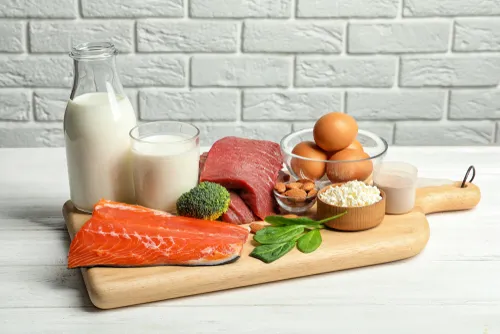
You don't need expensive protein powders, bars or special foods to get enough protein. In fact, many of the best protein sources are everyday foods you can easily incorporate into meals and snacks.
Try including a variety of protein sources throughout the week:
- Dairy: Greek or Icelandic Yogurt, Milk, and Cottage Cheese
- Animal Protein: Eggs, Chicken, Turkey, Lean Beef or Pork, and Fish such as Salmon or Tune
- Plant Protein: Beans, Lentils, Edamame, Tofu, and other Soy Foods, Nuts, Seeds, Nut Butters, and Quinoa
The Dietary Guidelines encourage a variety of protein foods. And this variety is important because different protein foods come with different nutritional benefits. For example, salmon provides protein along with omega-3 fatty acids. Dairy foods can provide protein and calcium. Beans and lentils provide protein along with fiber. Think about the whole food, not just the grams of protein listed on the label.
Animal vs Plant Protein: Which is Better?
Both animal and plant-based protein provide benefits, so don't feel like you have to choose one over the other. Animal foods such as eggs, dairy, seafood, poultry and meat generally provide all nine essential amino acids in amounts the body needs. Plant foods can contribute to your protein needs while also beneficial fiber and vitamins/minerals. Soy food and quinoa are two plant-based proteins that contain all nine essential amino acids.
Does it Matter When You Eat Protein?
Many Americans eat relatively little protein at breakfast and lunch and then consume a much larger portion of their daily protein at dinner. This may not be ideal if you have a small appetite. For older adults, it can be helpful to spread protein throughout the day rather than saving it all for one meal.
The research does not show that protein must be divided perfectly even among meals. But spreading protein-containing foods across meals and snacks can be a practical strategy for older adults, especially those who have smaller appetites and those with blood sugar concerns.
Protein Alone Isn't Enough to Maintain Strength and Mobility
Remember, protein and exercise work together. Simply adding more protein to your diet without using your muscles isn't a magic solution for strengthening muscles or preventing muscle loss.
Resistance exercise gives your muscles a reason to become stronger, while adequate protein provides the amino acids your body needs to repair and maintain muscle tissue. Focus on simple strength training, such as:
- Resistance bands
- Light hand weights
- Chair exercises
- Squats or sit-to-stand exercises
- Weight machines
A good goal for older adults is to aim for muscle-strengthening activities at least two days a week. If you're new to strength training or have health or mobility concerns, talk with your doctor or a qualified fitness professional about exercises that are right for you.

Do Older Adults Need Protein Shakes?
Protein shakes and supplements can be useful in certain situations but are not necessary for most people. It may be recommended when someone has difficulty eating enough food, a poor appetite, or increased nutritional needs. In most situations, whole foods provide protein along with other important nutrients, plus they don't have the added sugars and unhealthy artificial ingredients you find in most protein shakes.
Before spending money on expensive protein powders, bars or supplements, look at your everyday meals first. Some simple ideas to increase your protein naturally include:
- Choosing Greek yogurt instead of regular yogurt
- Adding milk instead of water in your oatmeal
- Including an egg alongside your breakfast
- Adding beans or lentils to your soup
- Topping your salad with some nuts or seeds
- Spreading peanut butter to your apple or whole-grain toast for a snack
More Protein Isn't Always Better
Even though the trend right now is protein, protein, protein, I want to emphasize that adequate protein is not excessive protein. Eating more protein than your body needs doesn't automatically mean you'll build more muscle and could add more calories than your body needs, leading to weight gain. Plus, some high protein choices are high in saturated fat, sodium, or added sugars and eating too many of these could be counterintuitive to your other health goals.
By only focusing on protein, you may overlook other important foods like fruits, vegetables, and other fiber-rich foods which support a healthy heart, mind and body. Your health is about the overall diet, not one nutrient.
Summing Up Protein and Healthy Aging
Protein deserves attention as we age, but it doesn't deserve all the attention. As a dietitian, my advice is for older adults to eat enough protein, choose nutritious sources, and focus on maintaining strength. Don’t stress about hitting an exact protein number or look for only products that have the highest protein grams you can find.
Find simple ways to add good protein sources throughout the day and try to add a few strengthening exercises to your week. The goal is to make it feel easy and not overwhelming. Here is a practical, protein-packed meal planning example:
| Meal | Protein |
| Greek yogurt and berries | 18 grams |
| Turkey sandwich | 25 grams |
| Salmon, vegetables, and rice | 35 grams |
| Nuts and fruit snack | 8 grams |
| Daily Total | 86 grams |

Start Your Healthy Journey Today!
Order Now


 Weight Loss
 Health & Wellness
 Diabetes
 Heart Health
 Motherhood & Family
 Dietary Restriction
 Other Health Conditions
 About SSHE
Learn More And Boost Your Well Being