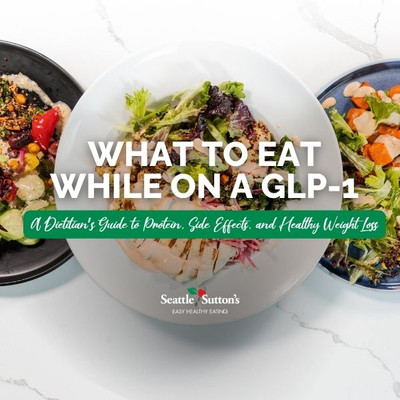
GLP-1 medications have become an increasingly common part of weight management and diabetes care. Whether these medications are right for you is a decision to make with your healthcare provider.

But if you're taking one, there's another important question to consider: How do you make sure you're still eating well when you're eating much less?

GLP-1 medications can significantly reduce appetite and slow digestion. While eating less may contribute to weight loss, eating too little—or not getting enough of the right foods—can make it harder to meet your needs for protein, vitamins, minerals, fiber and other essential nutrients.

And weight loss isn't just about the number on the scale. Preserving muscle, supporting overall health and developing eating habits you can maintain long term matter, too.

At Seattle Sutton's Healthy Eating, our focus has always been on the food—not medications, supplements or quick fixes. For more than 40 years, our registered dietitians have designed balanced, portion-controlled meals to support healthy weight management and better health.

That philosophy doesn't change if you're taking a GLP-1. In fact, diet quality is even more important when taking a GLP-1 medication.

If you and your healthcare provider have decided a GLP-1 medication is appropriate for you, good nutrition can help support your health during treatment and help you build healthy habits that last.

What Should You Eat on a GLP-1?

There isn't one specific "GLP-1 diet." Your nutrition needs depend on your age, body size, activity level, health conditions, medications and individual goals.

But when you're eating less, making every bite count becomes especially important.

Focus on:

  • Protein-rich foods to help preserve muscle during weight loss.
  • Fruits, vegetables, whole grains and other fiber-rich foods to support digestive health and provide important vitamins and minerals.
  • Nutrient-dense foods that deliver more nutrition in the amount you're able to eat.
  • Adequate fluids throughout the day.
  • Smaller, balanced meals if large meals cause uncomfortable fullness or nausea.
  • A variety of foods rather than relying primarily on shakes, bars or supplements.

The goal shouldn't simply be to eat as little as possible. It's to get the nutrition your body needs from the amount you're able to eat.

How Much Protein Do You Need on a GLP-1?

Protein deserves particular attention during weight loss because it helps maintain muscle mass.

Protein needs vary from person to person, and there isn't one protein recommendation appropriate for everyone taking a GLP-1. During active weight loss, however, protein needs may be higher than the standard recommendation for healthy adults.

Rather than concentrating most of your protein into one meal, include protein-rich foods throughout the day. Foods such as fish, poultry, eggs, beans, lentils, dairy products, tofu, nuts and seeds can all contribute.

If your appetite is very limited, consider eating the protein-rich portion of your meal first. That way, you are less likely to become full before eating it.

How Can You Prevent Muscle Loss While Taking a GLP-1?

When you lose a significant amount of weight, some of that weight can come from lean tissue as well as body fat. That's one reason preserving muscle should be an important part of a healthy weight-loss plan.

Eating adequate protein can help—but protein isn't the entire answer.

Strength or resistance exercise is also important for preserving muscle. Activities that challenge your muscles, such as lifting weights, resistance bands or body-weight exercises, can complement good nutrition during weight loss.

The goal isn't simply weight loss. Ideally, you want to lose excess body fat while maintaining as much strength and muscle as possible.

What Should You Eat When You Have No Appetite on a GLP-1?

One of the most common challenges people encounter on GLP-1 medications is simply not feeling hungry. This is when food quality really matters.

If you can only eat a relatively small amount at one time, choose foods that provide meaningful nutrition in that smaller portion. Start with protein and include fruits, vegetables, whole grains, beans, dairy and healthy fats as tolerated.

You may also find that smaller meals eaten throughout the day are more comfortable than very large meals.

And pay attention to how you're feeling. Persistently eating very little isn't necessarily a sign that the medication is "working better." If your appetite is so low that you're regularly unable to eat or drink enough, discuss it with your healthcare provider.

What Foods Should You Avoid on a GLP-1?

There isn't a universal list of foods everyone taking a GLP-1 needs to avoid.

Instead, pay attention to foods that make you feel uncomfortable.

Because GLP-1 medications slow digestion, some people find that large meals and particularly rich, greasy or high-fat foods worsen nausea, heartburn or uncomfortable fullness.

That doesn't mean dietary fat should be eliminated. Foods containing healthy unsaturated fats—including nuts, seeds, avocado, olive oil and fatty fish—provide important nutrients and can absolutely be part of a healthy diet.

The key is portion size and individual tolerance.

What Should You Eat if a GLP-1 Makes You Nauseous?

Nausea and uncomfortable fullness are common gastrointestinal side effects of GLP-1 medications.

If you're experiencing nausea, you may find it helpful to:

Eat smaller meals.

Eat slowly and stop when you begin feeling full.

Avoid very large, greasy or heavy meals.

Sip fluids throughout the day rather than drinking large amounts at once.

Choose foods you know your body tolerates well.

If nausea, vomiting, or other gastrointestinal symptoms are persistent or severe, contact your healthcare provider.

What Helps with Constipation on a GLP-1?

Constipation is another common concern. 

Fiber-rich foods such as fruits, vegetables, beans, lentils and whole grains can help support digestive health. Many adults need approximately 21–38 grams of fiber per day, although individual needs vary. 

If your current diet is low in fiber, don't dramatically increase it overnight. Increase fiber gradually and make sure you're drinking adequate fluids. 

Hydration is especially important because eating less food can also mean consuming less fluid from foods. 

A general fluid goal may be appropriate for many adults, but hydration needs vary. If your healthcare provider has recommended a specific fluid restriction or intake because of a medical condition, follow their guidance.

Do You Need Vitamins or Supplements While Taking a GLP-1?

Not necessarily. Taking a GLP-1 doesn't automatically mean you need a multivitamin, protein supplement or other dietary supplement.

However, significantly reducing your overall food intake can make it more difficult to consume adequate amounts of certain vitamins and minerals. Nutrients such as iron, calcium, vitamin D, vitamin B12, folate, thiamine, magnesium, potassium, zinc and others may deserve attention depending on your diet and health history.

This is another reason food quality matters so much when your portions get smaller.

A varied diet containing fruits, vegetables, whole grains, protein foods, dairy or appropriate alternatives and healthy fats can provide a wide range of nutrients. Nutrients from actual food versus supplements is always preferred.

If you're concerned that you're not meeting your needs, talk with your healthcare provider or a registered dietitian before automatically adding supplements.

Can You Still Eat Regular Meals on a GLP-1?

Absolutely. Taking a GLP-1 doesn't mean you need special "diet food," eliminate carbohydrates or live on protein shakes.

In fact, learning how to eat balanced meals while taking the medication can help you develop eating habits that support your health over the long term.

A balanced meal might include a source of protein, vegetables and/or fruit, a quality carbohydrate such as whole grains, beans or starchy vegetables, and a source of healthy fat.

Your portions may be smaller than they once were—and that's okay.

How Can Seattle Sutton's Help While You're Taking a GLP-1?

One challenge of eating on a GLP-1 is that you may need less food, but you don't need less nutrition.

Seattle Sutton's meals weren't created specifically for GLP-1 medications—and that's actually the point.

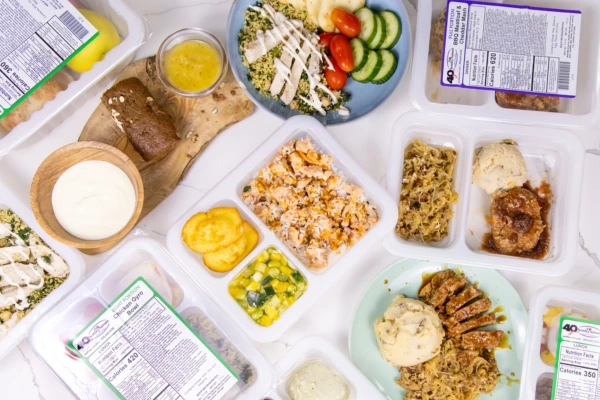
For more than 40 years, our registered dietitians have designed freshly prepared, portion-controlled meals around the fundamentals of healthy eating: lean proteins, fruits and vegetables, whole grains, healthy fats, appropriate portions and variety.

For someone whose appetite has decreased while taking a GLP-1, our Light Portion meals may provide a more manageable portion. Customers who want to prioritize protein can also use our Protein Packed nutrition filter to identify meals containing at least 20 grams of protein.

There is no official definition of a "GLP-1-friendly meal." When our dietitians look for meals that may work particularly well for someone eating less, we prioritize manageable portions that provide meaningful amounts of protein, fiber and nutrient-dense ingredients.

Here are a few examples:

1. Fire Braised Turkey and Grits - Light Portion

turkey breast over smoked cheddar grits with sweet pepper and tomato gravy and french green beans

280 calories | 5g fiber | 36g Protein

Hand-carved turkey breast is served over smoked cheddar grits with sweet pepper and tomato gravy and French green beans.

Why our dietitians like it:

When appetite is limited, this meals provides 36 grams of protein in a relatively small portion, along with vegetables and fiber.

2. Cider Salmon - Light Portion

roasted salmon with cider reduction over an apricot and squash quinoa pilaf

280 calories | 5g fiber | 28g Protein

Roasted salmon is served with cauliflower and an apricot-and-squash quinoa pilaf and topped with a cider reduction.

Why our dietitians like:

Salmon provides high-quality protein along with omega-3 fatty acides, while quinoa, vegetables, and fruit add fiber and a variety of nutrients.

3. Turkey Cobb Salad - Light Portion

Turkey Cobb Salad

340 calories | 5g fiber | 31g Protein

Tender turkey medallions are served over fresh greens with hard-boiled eggs, Gorgonzola cheese, vegan bacon, tomatoes, and creamy avocado-Dijon dressing.

Why our dietitians like it:

This salad delivers an impressive 31 grams or protein for 340 calories, making it a nutrient-dense choice when you want something lighter but still satisfying. The greens and tomatoes contribute vitamins, minerals, and plant compounds while eggs and turkey provide high-quality protein.

4. Penne Vodka Meatballs - Light Portion

Penne vodka meatballs with broccoli stufato

410 calories | 9g fiber | 24g Protein

Whole-grain penne pasta is topped with turkey meatballs simmered in our vodka-style sauce and served with broccoli stufato.

Why our dietitians like it:

Healthy eating doesn't mean giving up pasta or other favorite foods. Whole grains, lean protein, and vegetables turn a comfort-food favorite into a balanced meal with 24 grams of protein and 9 grams of fiber.

5. Peppered Lentil Salisbury Steak

lentil salisbury steak over mashed potatoes with buttered peas and onions

390 calories | 13.5g fiber | 22g Protein

Peppered lentil Salisbury steak is served with mashed potatoes and buttered peas and onions.

Why our dietitians like it:

This plant-forward meal demonstrates that protein doesn't always have to come from meat. Lentils provide protein and fiber along with nutrients including iron and folate.

What If You Stop Taking a GLP-1?

Rather than trying to continue eating as little as possible, focus on a sustainable eating pattern that provides the nutrition you need and can realistically maintain.

The Bottom Line: GLP-1s Don't Replace Good Nutrition

GLP-1 medications can change how much you want to eat. They don't change the fact that your body needs good nutrition.

Whether you're using a GLP-1 or managing your weight without medication, the fundamentals of healthy eating remain remarkably similar: adequate protein, fruits and vegetables, whole grains, healthy fats, appropriate portions, variety and a pattern of eating you can sustain.

At Seattle Sutton's Healthy Eating, that's been our focus for more than 40 years.

We don't prescribe medications or tell you whether a GLP-1 is right for you. But if you and your healthcare provider have chosen to use one, our registered dietitian-designed, portion-controlled meals can help make eating well one less thing you have to figure out.

Your medication may be one tool in your health journey. Good nutrition should remain part of the foundation.

Think of GLP-1 Treatments as an Opportunity to Build Healthy Habits

GLP-1 medications are one tool in a person's weight management journey, but nutrition remains important before, during, and after treatment.

When appetite is reduced, every meal is an opportunity to give your body the protein, fiber, vitamins, minerals, and other nutrients it needs to stay strong and healthy.

And when it's time to transition off medication, the goal isn't simply to "eat less." It's to build a sustainable eating pattern and healthy habits you can continue long term.

That's one reason Seattle Sutton's can be a helpful part of the process. Our portion-controlled meals are designed by registered dietitians to make it easier to enjoy balanced meals without planning, shopping, preparation, and portion calculations.

Start Your Healthy Journey Today!

Order Now

Seattle Sutton's Flexible Meal Plans and Healthy Foods

More Meals. More Flexibility.

View Plans