Have you heard of fibermaxxing? This social media trend encourages people to eat as much fiber as possible. While the concept may sound intense, the majority of Americans fall short of meeting their daily fiber needs. Research suggests that only, with average intake hovering around just 15 to 16 grams per day, well below the recommended daily targets.
But you don't need to chase extreme fiber goals to experience health benefits. As with most things in nutrition, more isn't always better, and maintainable habits matter more than the latest trend.
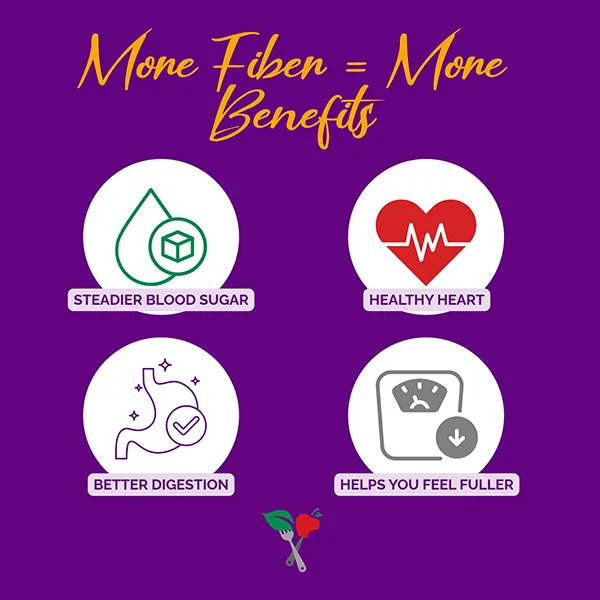
Many people associate fiber with digestive health, but its benefits go beyond just keeping you regular. Getting enough fiber can support blood sugar management, help lower LDL cholesterol, contribute to heart health, and help you reach and stay at a healthy weight.
These benefits are particularly important for people with diabetes or prediabetes, who may benefit from a fiber-rich eating pattern as part of an overall approach to managing blood sugar and reducing cardiovascular risk. Let's take a look beyond the trends and explore how simple changes can help you eat more fiber without overcomplicating or obsessing about it.
Why Fiber Matters for Blood Sugar
Fiber plays an important role in diabetes management because it slows the digestion and absorption of glucose (sugar), helping to reduce blood sugar spikes after meals. While it is a carbohydrate, not all carbohydrate-rich foods affect blood sugar in the same way. If you are trying to lower your blood sugar, fiber may be the missing link in your diet.
When we eat carbohydrates, our body breaks down digestible carbohydrates to glucose, which enters the bloodstream. Our bodies then use insulin to help move glucose into the cells for energy. For people with diabetes, the body may not produce enough insulin or use it effectively, causing glucose to build up in the blood causing high blood sugar, or hyperglycemia.
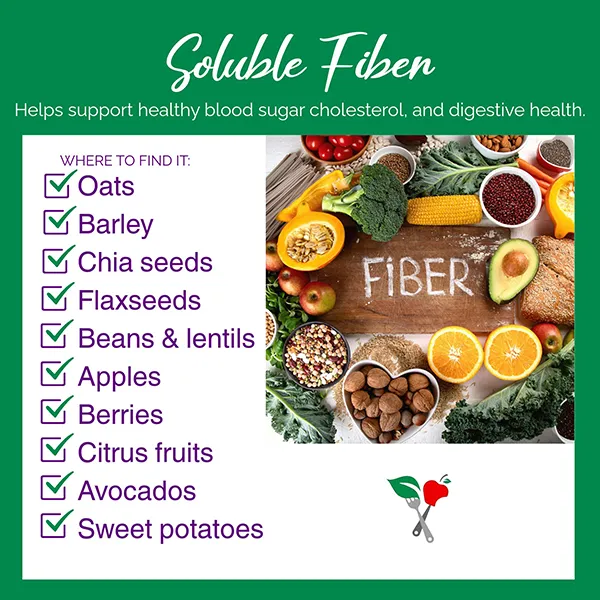
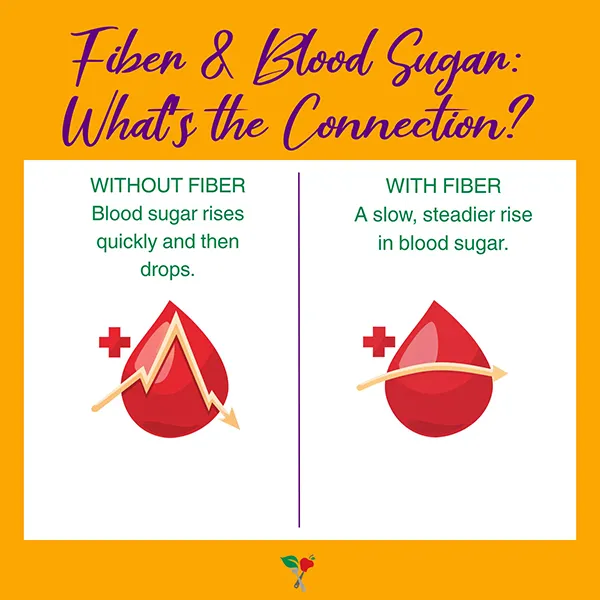
Soluble fiber is especially beneficial for blood sugar management. As it moves through the digestive tract, it absorbs water and forms a gel-like substance that slows the movement of food through the digestive system. This delays the absorption of glucose into the bloodstream, resulting in a more gradual rise in blood sugar after meals. Low-fiber foods, on the other hand, are digested and absorbed more quickly, which can lead to sharper blood sugar spikes.
Fiber-rich foods also help you feel fuller longer. Consider the difference between drinking a glass of apple juice versus eating a whole apple. Apple juice contains little fiber, but eating a whole apple with the skin makes you feel much more satisfied and could help you eat less overall. Choosing higher fiber foods helps support a reduced calorie diet for weight loss, which has been shown to help lower blood sugar in those with overweight and obesity.
In the past, diabetes educators and dietitians taught patients to subtract half the fiber from total carbohydrates when calculating total carbohydrates of a food. Although this approach was helpful for encouraging more high fiber choices, fiber doesn’t simply cancel out carbohydrates. But the underlying message still rings true: choosing more fiber-rich foods is a helpful goal for people with prediabetes or diabetes looking to improve their HbA1c.
The Connection Between Fiber, Diabetes, and Heart Health
Many people don't know that diabetes can increase cardiovascular risk. So, blood sugar shouldn't be the only focus for the diet. According to the Centers for Disease Control and Prevention, adults with diabetes are nearly twice as likely to have heart disease or a stroke as adults without diabetes.
Over time, high blood sugar can damage blood vessels and nerves that help control the heart and blood vessels. People with diabetes may also have high blood pressure and high cholesterol levels which further increase cardiovascular risk. This is one reason following a heart-healthy eating pattern (not just a diabetes friendly) is so important.
Soluble fiber doesn't just help slow glucose absorption; it also helps to lower LDL cholesterol (often referred to as "bad" cholesterol). So, by focusing on eating more fiber, the same foods can help support both better blood sugar management and heart health.
The foundation of a heart-healthy eating pattern focuses on eating beans, lentils, whole grains, fruits and vegetables which are all great sources of fiber. These foods provide fiber and plant-based compounds that support overall cardiovascular health.
How to Get More Fiber Starting With Your Next Meal
If you've been following social media trends, you might think you need to overhaul your diet today and obsess over the fiber grams of every meal and snack. But you don't need to make any drastic changes. Instead, focus on opportunities to add fiber to the foods you already enjoy.
At Breakfast
- Try adding 2 teaspoons of chia seeds or ground flaxseeds (for about 3.5 grams extra fiber) to yogurt, cereal, oatmeal, or toast with peanut butter.
- Choose a higher-fiber cereal or mix bran flakes into your favorite granola.
- Berries are another great option, adding up to 8 grams of fiber per cup. They also add vitamins, minerals, and natural sweetness.
- Put leftover vegetables to use in eggs for an easy, delicious savory breakfast.
At Lunch/Dinner
- Incorporate beans into salads, soups, grain bowls, or tacos.
- Compare nutrition labels on bread and wraps to find higher fiber alternatives for an easy swap.
- Instead of low-fiber refined carbohydrates side like chips or pretzels, try vegetables with hummus or roasted chickpeas for a fiber-rich crunch.
- Experiment with whole-wheat pasta, quinoa, and brown rice. If you're not ready to replace white rice or pasta entirely, try mixing whole grains with the refined versions.
For a Snack
- Pair whole fruit with nuts, leaving the skin on apples and pears.
- Toss berries into Greek yogurt.
- Make a snack mix with sunflower seeds, roasted edamame, and popcorn.
How Much Fiber Do You Need?
Most nutrition guidelines recommend 14 grams of fiber for every 1,000 calories you eat. This would equate to about 16.8 grams a day on a 1200-calorie diet and 28 grams on a 2000-calorie diet.
Many of us aren't eating enough fiber, so setting a goal to increase toward these goals is beneficial and may be more realistic than chasing unusually high fiber goals promoted online.
Here are some everyday foods that can help you work toward your goal:
| Food | Serving Size | Approximate Fiber |
| Fruits | ||
| Raspberries | 1 cup | 8 grams |
| Pear | 1 medium | 5.5 grams |
| Apple with skin | 1 medium | 4.5 grams |
| Vegetables/Starches | ||
| Green peas | 1 cup | 9 grams |
| Broccoli | 1 cup | 5 grams |
| Potato with skin | 1 medium | 4 grams |
| Grains | ||
| Pasta, whole wheat | 1 cup | 6 grams |
| Bran flakes | 3/4 cup | 5.5 grams |
| Popcorn | 3 cups | 3.5 grams |
| Beans/Seeds | ||
| Lentils | 1 cup | 15.5 grams |
| Black beans | 1 cup | 15 grams |
| Chia seeds | 1 ounce | 10 grams |
| Almonds | 1 ounce (23 nuts) | 3.5 grams |
How to Increase Your Fiber Intake
Combining several fiber rich foods throughout the day and trying some simple swaps can make it much easier to reach your fiber needs. Look for simple ways to add high-fiber foods to meals and snacks you already eat or commit to choosing more whole foods rather than quick grab and go processed items.
More Fiber, Without Extremes
If your current diet is pretty low in fiber, it's not a good idea to go from zero to 100 overnight. Adding a lot of fiber at one time when your body isn't used to it may cause gas, bloating, or stomachaches. Instead, increase your fiber gradually and drink plenty of fluids to help your body adjust.
Whole foods are an excellent place to start. Some packaged foods can also help increase fiber intake, but they may contain questionable ingredients and lack the benefits of whole foods.
I recommend comparing nutrition labels and considering the overall nutrition value of the food, including fiber, added sugar, sodium, and other nutrients. Don't let yourself get tricked by high-fiber cookies, sodas, and granola bars.
Fiber Supports Long-Term Health
Fiber isn't a quick fix, and eating more of it doesn't guarantee perfect blood sugar or cholesterol levels. However, consistently choosing fiber-rich foods is an important part of a balanced diet that supports blood sugar, heart, and digestive health.
For people with prediabetes or diabetes, fiber-rich foods can help blunt the rise in blood sugar after eating and support better cholesterol levels, improving overall health. Start with one or two changes today. Add beans to your salad, top your oatmeal with berries, choose whole-grain bread over white, or include a side of roasted vegetables at dinner.
When it comes to fibermaxxing, I do like that this trend is spotlighting the benefits of a high-fiber diet and encouraging people to eat more healthy fiber-rich foods, but it's important to make this a habit you can stick with long term and not overcomplicate it. You don't need to chase a trend to eat well. Focus on small, simple ways you can add fiber to your meals and snacks to support your health, one bite at a time.

Start Your Healthy Journey Today!
Order Now


 Weight Loss
 Health & Wellness
 Diabetes
 Heart Health
 Motherhood & Family
 Dietary Restriction
 Other Health Conditions
 About SSHE
Learn More And Boost Your Well Being