
Does this sound familiar? Your morning is full getting the kids ready for school. Your workday is packed with meetings and to-dos, while you're also trying to squeeze in a call to schedule Mom's doctor's appointment. After work, there's baseball practice, a quick stop at the grocery store for your father-in-law, and then dinner to figure out. By the time everyone else has dinner and is relaxing for the night, you're exhausted and realize you haven't eaten yet.
If you're thinking, "Yep, that's me!" you may be part of the so-called sandwich generation.
You're busy taking care of everyone else. But what about you?
What Does it Mean to Be Part of the Sandwich Generation?
The sandwich generation generally refers to adults who are raising kids while also caring for or supporting older family members. That might mean helping parents or grandparents, coordinating care for an aging relative, or simply being the one everyone turns to when something needs to get done.
It May Look Like:
- Raising kids while helping older family members like grandparents, parents, aunts/uncles
- Managing your household while coordinating care for someone else
- Wroking while juggling appointments, sports practices/events, errands
- Putting your own needs (and meals) last
- Choosing whatever is fastest, easiests, or leftover when it finally comes time to eat
- Feeling exhausted before the day is over
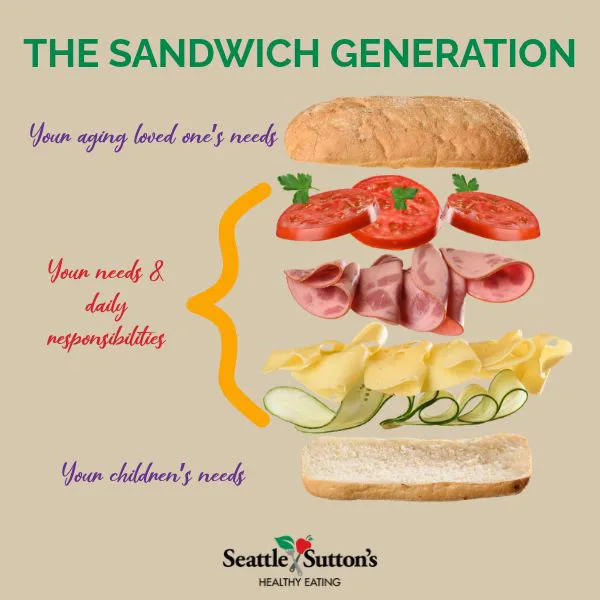
We've all heard the saying, "You can't pour from an empty cup." But sometimes it feels impossible to figure out how to fill it with the time needed to care for yourself, too. How are you supposed to make healthy meals, exercise regularly, get that 8 hours of sleep, and take a break when there is already so much on your plate?
When everyone else comes first, you often end up last. And over time, that can mean:
- Low energy
- Your health gets pushed aside
- Stress and feeling overwhelmed
- Emotional eating or avoiding exercise
- Skipping meals or relying on fast food
- Using alcohol as a way to relax
- Poor or lack of sleep
It's no wonder that this is the phase of life that we start seeing health concerns start showing up, like rising cholesterol and blood sugar or slow weight gain. This stage of life also overlaps with other changes that can affect your health including insulin sensitivity and menopause.
But taking care of yourself doesn't have to mean adding another complicated routine to your day. Sometimes making small, realistic changes can help you feel better and give you the energy boost needed to keep up with everything else.

Taking Care of Yourself Isn't Selfish
Taking care of yourself alongside everyone else may feel more realistic than trying to "put yourself first." Think of it as putting yourself on an even pedestal. You deserve, and need, to eat well, move your body, and get enough rest just like those you care for. And by looking at it this way can help you be more present and have the energy to care for the people who depend on you.
By doing this, you are also a good role model to your family. Part of raising a healthy family is setting the example for them to follow.
Key Strategies for Self-Care
- Eat balanced meals regularly
- Move your body when you can
- Get enough rest
- Make time for breaks
And remember, you don't have to be the person who remembers, plans, cooks, drives, shops, and manages everything. Talk with your loved ones about how everyone can help and what each person can realistically do. Sharing the responsibilities can take some of the weight off your shoulders.
Accept help where you can. This may be:
- Dependable childcare or carpools
- Family members, friends, or neighbors
- Community resources
- Home-delivered meals
And let's be real: stress, exhaustion, and feeling overwhelmed can affect how we eat. Food can be a source of comfort when you're stretched thin. Instead of adding guilt into the equation, recognize what's happening and look for other ways to give yourself a break.
Some ideas to consider:
- Take a walk
- Call a friend
- Sit quietly with a cup of tea
- Watch your favorite show
- Start a puzzle (my favorite!)
- Or simply give yourself permission to rest
Do what you can and try to let go of guilt. You don't have to do everything perfectly.

Actionable Nutrition Strategies for When You're Taking Care of Everyone Else
When you're constantly taking care of everyone else, your own meals can become an afterthought. But eating regular, balanced meals and choosing nourishing foods helps support your energy and overall health.
Incorporate Protein for Staying Power
Incldue protein with meals and snacks to help balance blood sugar and help manage cravings. Think Greek yogurt, eggs, chicken, fish, beans, nuts/seeds, or cottage cheese.
Choose Fiber for Fullness and Overall Health
Building meals with fiber-rich grains, beans, and fresh produce supports steady energy without the midday crashes that lead to the vending machine or a coffee pick-me-up.
Eat Fruits and Vegetables for Nutritional Insurance
The vitamins and minerals in fruits and vegetables help give your body the nutrients it needs. You don't need to prepare an elaborate salad or roasted vegetables from scratch every night. Keep convenient options on hand like fresh fruit, pre-cut or frozen vegetables, or bagged salads.
Don't Skip Meals
Regular meals = energy. When you're busy, it can be surprisingly easy to look at the clock and realize you haven't eaten breakfast. Having scheduled meals and snacks will help keep you from getting depleted.
Keep Hydrated Without Overcomplicating It
Keep water nearby and convenient to sip throughout the day. You don't need special powders, packets, or expensive drinks to stay hydrated. A reusable water bottle is all you need.
Stop Making Three Different Meals
You already have enough jobs. "Short-order cook" doesn't need to be one of them. Instead of planning one meal for you and your spouse, another for the kids, and then another for Mom and Dad, look for balanced meals that can work for the whole family.
Start with a nutritious base and then adjust portions, sides, or textures as needed. When possible, simplifying the meal can make life easier for everyone.
Simple Meal Ideas for Busy Caregivers
Healthy eating doesn't have to mean homemade from scratch. Keep meals simple but balanced. Think yogurt parfaits, quick salads, batch cooking on the weekend, convenient produce and other shortcuts that don't sacrifice nutrition but save time.
Breakfast:
- Greek yogurt + high fiber cereal + fruit
- Oatmeal + berries + peanut butter
- Eggs + whole-grain toast + leftover cooked veggies
Lunch:
- Quick salad + leftover chicken + unsalted nuts + pre-cut veggies + shredded cheese + olive oil & vinegar dressing
- Leftovers transformed into a grain bowl
- Canned tuna mixed with 1/2 light mayo and 1/2 plain Greek yogurt + whole grain crackers + cherry tomatoes + fruit
Dinner:
- Sheet-pan chicken + sweet potatoes + veggies
- Simple crockpot soup + whole-grain bread + side salad
- Brown rice and quinoa blend + baked salmon + vegetables

You Don't Have to Do It All Yourself
Sometimes we simply hit a point where finding the time to plan, shop, and prepare food isn't doable. And we don't have time for even simple things. In this case, finding the time isn't the answer, it's finding a way to take something off your to do list.
Home delivered meals, like Seattle Sutton's Healthy Eating, can be a great choice for filling in a few meals when the week gets hectic and there is no time to spare.
Seattle Sutton's Healthy Eating's Choose Your Own Meals Plan
Our Choose Your Own Meals plan allows you to pick the exact meals that match your needs and preferences. You can also choose meals based on different health concerns like protein-packed, diabetes-friendly, or low sodium.
The meals arrive fully prepared and portioned, making them convenient to grab and go when you don't have time or energy to cook.
Seattle Sutton's Healthy Eating's Dietitian-Designed Meal Plans
A Dietitian-Designed Meal plan could be particularly useful for someone who wants more structure or is helping an older loved one eat well and manage health diagnoses.
Sometimes taking meal planning and cooking off your to-do list can make a significant difference and free up some time for yourself.
You Deserve to be on Your List, Too
Remember, it isn't selfish to take care of yourself. It's actually an important part of being able to care for those who depend on you. You don’t need a perfect diet, hours of meal prep or another set of complicated diet rules.
Start small, eat regularly, keep nourishing foods available, and ask for help when you need it. And most importantly, give yourself some grace.
Those of us in the sandwich generation spend so much of our time taking care of everyone else. We deserve to be on our own list, too!

Start Your Healthy Journey Today!
Order Now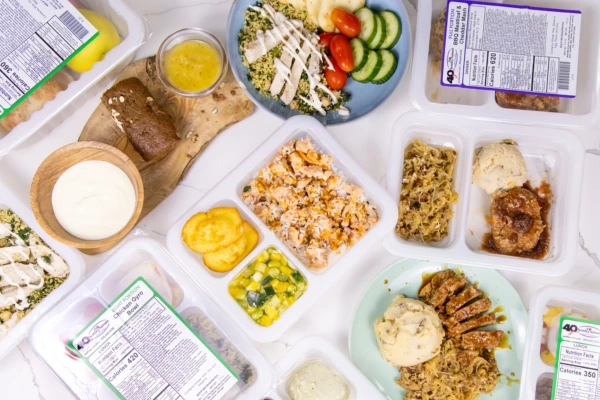


 Weight Loss
 Health & Wellness
 Diabetes
 Heart Health
 Motherhood & Family
 Dietary Restriction
 Other Health Conditions
 About SSHE
Learn More And Boost Your Well Being