If you've seen the headlines about the FDA approving a new cholesterol-lowering pill, you may be wondering if a pill can do all the work without having to change your lifestyle.
While the new medication, Lipfendra, is exciting for people with high LDL ("bad") cholesterol, two important details shouldn’t be overlooked:
- Lipfendra is meant to be taken alongside a statin for optimal results, which come with notable side effects.
- The positive results came from taking the medication in conjunction with a healthy diet and exercise plan.
While medications can be an important part of treatment for high LDL cholesterol, they're only one piece of the puzzle. The everyday choices you make, like what you eat, how active you are, and the healthy habits you build over time, play a major role. For those with mild to moderately elevated cholesterol, a heart healthy diet and regular exercise remain the most effective ways to reduce your risk of a heart attack or stroke.
Understanding LDL Cholesterol
Cholesterol isn't all bad. In fact, your body needs it to build cells and make certain hormones. The problem comes when you have too much LDL cholesterol, often called the "bad" cholesterol.
When LDL levels are high, cholesterol can build up inside your arteries, making it harder for blood to flow freely. Over time, this increases your risk of heart attack, stroke, and other forms of cardiovascular disease.
According to the American Heart Association, about 1 in 4 adults have high LDL cholesterol, making it one of the most common risk factors for heart disease.
However, high cholesterol is something you can often improve through healthy lifestyle changes and, when needed, medication can provide additional support.
How Does the New Medication Work?
Lipfendra works by blocking a protein called PCSK9, which can prevent your body from removing LDL cholesterol from your bloodstream. By blocking this protein, your liver can clear more LDL cholesterol from your blood.
In clinical trials, the medication, when used in conjunction with a statin drug and a healthy lifestyle, lowered LDL cholesterol by 56% to 59% compared to a placebo. That's an impressive result and could be a great option for people who need additional help reaching their cholesterol goals.
Even so, healthcare providers continue to recommend the same foundation for heart health: eat well, stay active, and maintain healthy lifestyle habits.
Why Lipfendra Can't Replace Healthy Habits
It's easy to wonder if medication means you don't have to worry as much about your diet. The truth is, healthy eating and regular exercise do much more than lower cholesterol.
A heart-healthy lifestyle can also help:
- Lower blood pressure
- Improve blood sugar control
- Support a healthy weight
- Reduce inflammation
- Increase energy
- Lower your overall risk of chronic disease
Medication can target cholesterol, but it can't replace all the health benefits that come from nourishing your body every day. Plus, a well-balanced diet and exercise have no side effects!
What Should You Eat to Help Lower Cholesterol?
The good news is that you don't need a perfect diet to make a difference (or avoid eggs!). Small, consistent changes can have a meaningful impact over time.
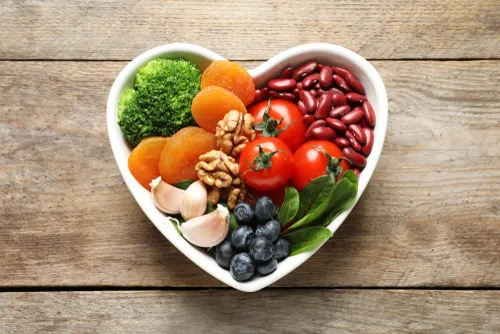
Here are a few heart-smart food swaps approved by dietitians:
- Choose More Fiber - Foods like oats, beans, lentils, fruits, vegetables, and whole grains contain soluble fiber, which helps remove excess cholesterol from the body.
- Cut Back on Saturated Fat - One of the most effective dietary changes you can make is reducing saturated fat. Foods like fatty cuts of meat, butter, full-fat dairy products, and many highly processed foods can raise LDL cholesterol. Instead, choose heart-healthy fats from foods like olive oil, nuts, seeds, avocados, and fish.
- Fill Half Your Plate with Fruits and Vegetables - Colorful produce provides fiber, antioxidants, vitamins, and minerals that support both heart health and overall wellness.
- Pair Your Meal with the Perfect Heart Healthy Side Dish: Exercise - Regular physical activity works together with healthy eating to improve cholesterol levels and strengthen your heart. Even a daily walk can make a difference.
How to Simplify Healthy Eating and Improve Cholesterol

Knowing what to eat is one thing. Finding the time to shop, cook, and plan balanced meals is another. That's why our dietitian-designed meals make heart healthy eating easier. The meals on our 1200 calorie meal plan average just 4 grams of saturated fat per meal, are perfectly portioned, and ready to eat in minutes - giving you extra time for adding a little more movement to your day.
New medications like Lipfendra are an exciting step forward for people with high cholesterol, and for many individuals they can be an important part of treatment. But no medication can replace the benefits of a healthy lifestyle.
Food is one of the most powerful tools we have for supporting long-term health. Eating a good diet, staying active, getting enough sleep, managing stress, and working with your healthcare team all play an important role in keeping your heart healthy.

Start Your Healthy Journey Today!
Order Now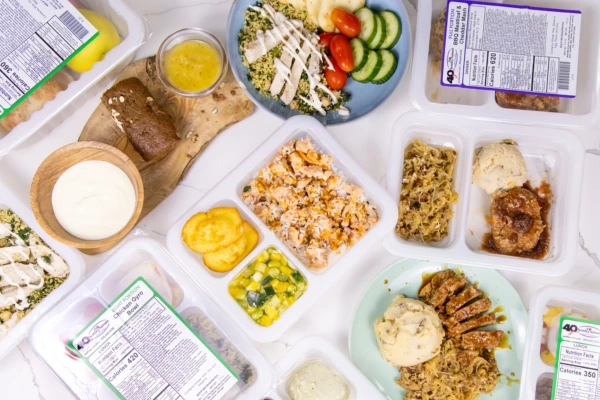

 Weight Loss
 Health & Wellness
 Diabetes
 Heart Health
 Motherhood & Family
 Dietary Restriction
 Other Health Conditions
 About SSHE
Learn More And Boost Your Well Being