
For many of us, the day doesn't begin until we've had that first cup of joe. Whether you enjoy it black, with a splash of milk, or as an afternoon pick-me-up, coffee is one of the most popular beverages in the world.
But is your daily cup helping or hurting your heart health?
The answer may surprise you. Recent research suggests that coffee can fit into a heart-healthy lifestyle for most adults. The key is not only how much you drink, but also what you add to it and how it’s prepared. Here’s what you should know.
How Much Coffee is Safe?
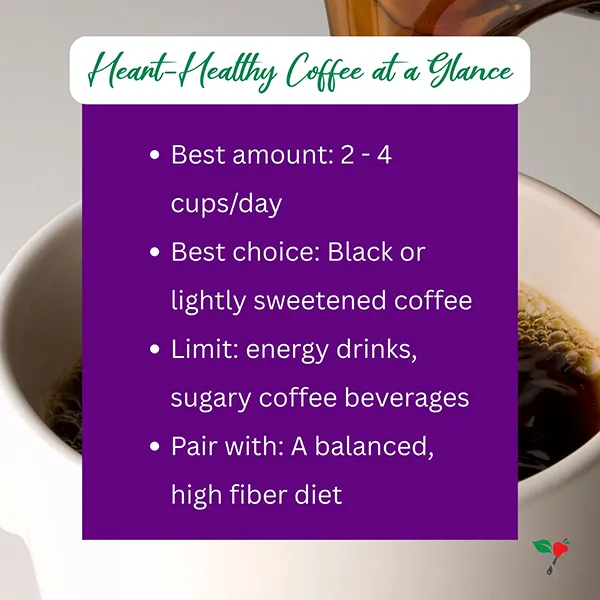
Coffee is the most common source of caffeine in the American diet. For most healthy adults, consuming up to 400 milligrams of caffeine per day (about 4 8-ounce cups) of regular brewed coffee is considered safe.
In fact, several large studies have found that people who regularly drink 2 to 4 cups of black coffee daily tend to have a lower risk of cardiovascular disease, heart failure and stroke compared to those who don't drink coffee at all.
However, as with most things, more isn't always better. Drinking well above this amount may not provide additional benefits and could increase health risks for some individuals.
What's in Your Coffee Counts
While plain coffee contains just 5 calories and 0 grams of added sugar, many café favorites are loaded with added sugars, saturated fat, and excess calories. Here's where many coffee drinkers drop the ball with their cup. Many popular coffee drinks contain:
- Sugar or sugar alternative sweeteners
- Flavored syrups
- Whipped cream
- Sweet cream cold foams
- High-fat creamers
These additions can quickly turn a low-calorie beverage into a dessert loaded with added sugar, artificial ingredients, and saturated fat, reducing many of the potential health benefits.
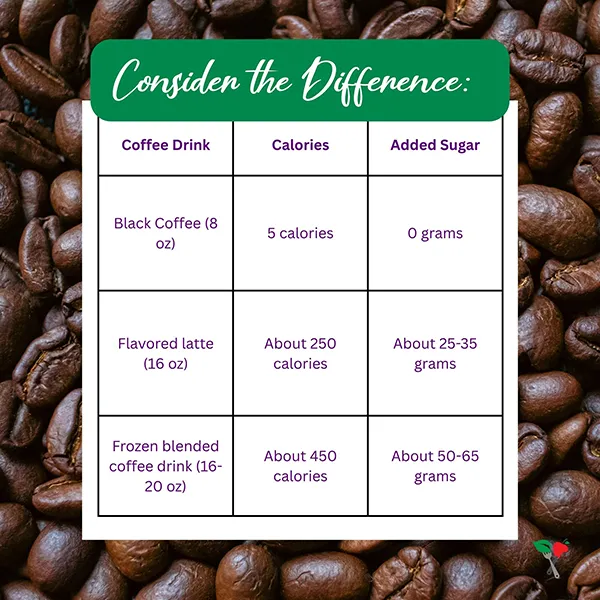
For perspective, the American Heart Association recommends limiting added sugar to no more than 25 grams per day for most women and 36 grams a day for most men. One large specialty coffee can exceed those recommendations before you've even had breakfast.
Those extras can easily outweigh coffee's potential health benefits. The health benefits found in research are linked to black coffee without these additions.
5 Dietitian Tips for a Healthier Cup of Joe
You don't have to give up coffee. Try these simple swaps to improve the overall healthfulness of your coffee:
- Enjoy black coffee or add a splash of low-fat milk instead of flavored creamers
- Flavor your coffee with cinnamon, vanilla extract, or pumpkin pie spice instead of syrup
- Gradually reduce added sugar by asking for fewer pumps of syrup or skp them all together
- Skip oversized specialty drinks that can contain hundreds of calories
- If caffeine causes jitters, anxiety, or sleep problems, try cutting back or switching to half-caf
Why Coffee May Be Good for Your Heart
Scientists aren't convinced that caffeine alone is responsible for coffee's health benefits.
Coffee contains hundreds of naturally occurring plant compounds, including antioxidants and other bioactive substances that may help reduce inflammation and oxidative stress - two factors that play a role in heart disease.
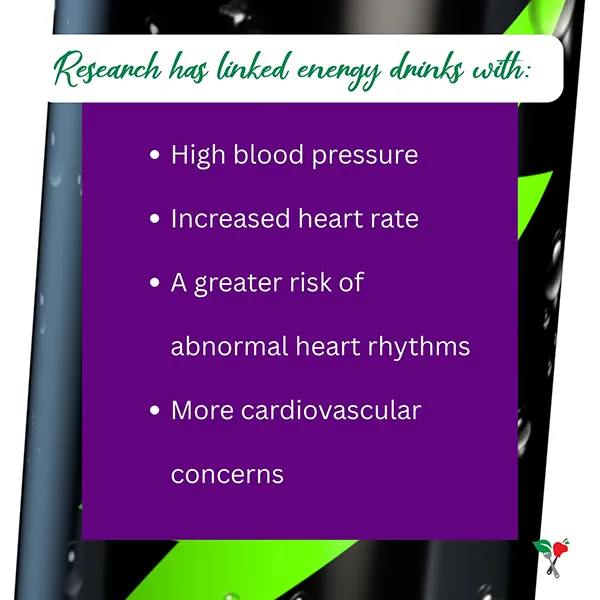
Researchers are still learning exactly how these compounds work, but they may explain why coffee appears healthier than other highly caffeinated drinks, like energy drinks.
Although both energy drinks and coffee both contain caffeine, energy drinks have 3-4 times as much caffeine as a cup of coffee. They also contain other stimulants and ingredients that can have a harmful effect on the body.
Coffee's Impact on Your Cardiovascular Workup
Blood Pressure:
If you've ever felt your heart beating a little faster after your morning cup, you're not imagining it. Caffeine can temporarily raise blood pressure shortly after you drink it; however, long-term studies found that people who regularly drink moderate amounts of coffee may actually have a lower risk of developing high blood pressure than those who drink very little.
Type 2 Diabetes:
Coffee may briefly reduce insulin sensitivity after you drink it. However, people who regularly drink black coffee have been consistently shown to have a lower risk of developing type 2 diabetes.
Researchers believe this benefit is likely due to coffee's natural compounds rather than the caffeine alone. Adding generous amounts of flavored syrup, sugar, and cream will likely reduce these advantages.
Cholesterol:
Not all preparation methods are equal when it comes to coffee and cholesterol. Coffee contains a natural compound called cafestol, which can increase LDL ("bad") cholesterol. High amounts are found in:
- French press coffe
- Espresso
- Turkish coffee
- Boiled coffee
Paper-filtered coffee and instant coffee remove much of this compound, making them better choices for people looking to manage high cholesterol.
Heart Rhythm:
For most people, drinking 1 to 3 cups of coffee per day has not been associated with a higher risk of atrial fibrillation (AFib). However, some individuals may notice heart palpitations or premature beats after caffeine intake.
When to Consider Cutting Back on Coffee
Everyone responds to caffeine differently. Genetics, medications, age, pregnancy, and certain medical problems all influence how your body responds. Some people can enjoy several cups without an issue, while others notice symptoms after just one cup.
Pay attention to how you feel after drinking caffeine. If you experience:
- Difficulty sleeping
- Anxiety
- Rapid heartbeat
- Heart palpitations
- Persistent increases in blood pressure
It may be time to cut back or discuss your intake with your medical provider.
The Bottom Line
For most healthy adults, moderate amounts of plain coffee can be a part of a heart-healthy lifestyle. In fact, research suggests that enjoying 2 to 4 cups of black coffee each day may even be associated with a lower risk of heart disease, heart failure, and stroke.
The biggest opportunity isn’t necessarily drinking less coffee; it’s making healthier coffee choices. Limiting sugary syrups, heavy creamers, oversized coffee drinks will help support your long-term health.
At Seattle Sutton’s Healthy Eating, we believe that healthy eating is about making smart choices that fit your lifestyle. Pairing balanced, portion-controlled meals with a simple cup of coffee is one more way to enjoy your day while supporting your long-term health.

Start Your Healthy Journey Today!
Order Now


 Weight Loss
 Health & Wellness
 Diabetes
 Heart Health
 Motherhood & Family
 Dietary Restriction
 Other Health Conditions
 About SSHE
Learn More And Boost Your Well Being