







 Weight Loss
 Health & Wellness
 Diabetes
 Heart Health
 Motherhood & Family
 Dietary Restriction
 Other Health Conditions
 About SSHE

10 Reasons Why You Are Always Hungry
Do you feel like you're always hungry? Constant hunger can be frustrating, especially when you're trying to lose weight or eat healthier.
The truth is, persistent hunger isn't about lack of willpower, it's often your body signaling that something is off. The good news is, there are clear, manageable reasons behind it and simple nutrition strategies can help you feel satisfied and in control.
Understanding Hunger: Physical vs. Psychological
Hunger is your body's natural way of signaling it needs energy. But not all hunger is the same.
- Physical hunger: Gradual, includes stomach growling, low energy, or difficulty focusing
- Psychological hunger: Sudden, often tied to emotions like stress, boredom, or habit
Learning the difference is key to improving your relationship with food and avoiding unnecessary snacking.

Why Hunger Cues Get Disrupted
We're all born with the ability to regulate our hunger. Babies eat when they're hungry and stop when they're full. But over time, outside influences begin to override these internal cues, including:
- Busy schedules
- Diet culture and restriction
- Stress and emotional eating
- Social pressure ("clean your plate")
These influences can make it harder to recognize true hunger and fullness signals.
Use the Hunger-Fullness Scale to Tune In
A simple way to reconnect with your body is by using the hunger scale (1-10):
- 1-2: Extremely hungry
- 3-4: Ready to eat
- 5-6: Comfortable, satisfied
- 7-10: Overfull to uncomfortable
Goal: Start eating around a 3-4 and stop at a 5-6. This helps prevent both overeating and the intense hunger that can lead to poor food choices.
Common Reasons Why You Can't Stay Satisfied After Meals
1. You're Not Eating Enough Healthy Fats
Low-fat diets can leave you feeling unsatisfied. Fat is often misunderstood, but it plays a major role in satiety. Because fat digests slowly, it helps keep you feeling full and satisfied after meals.
Fix it: Add healthy fats like:
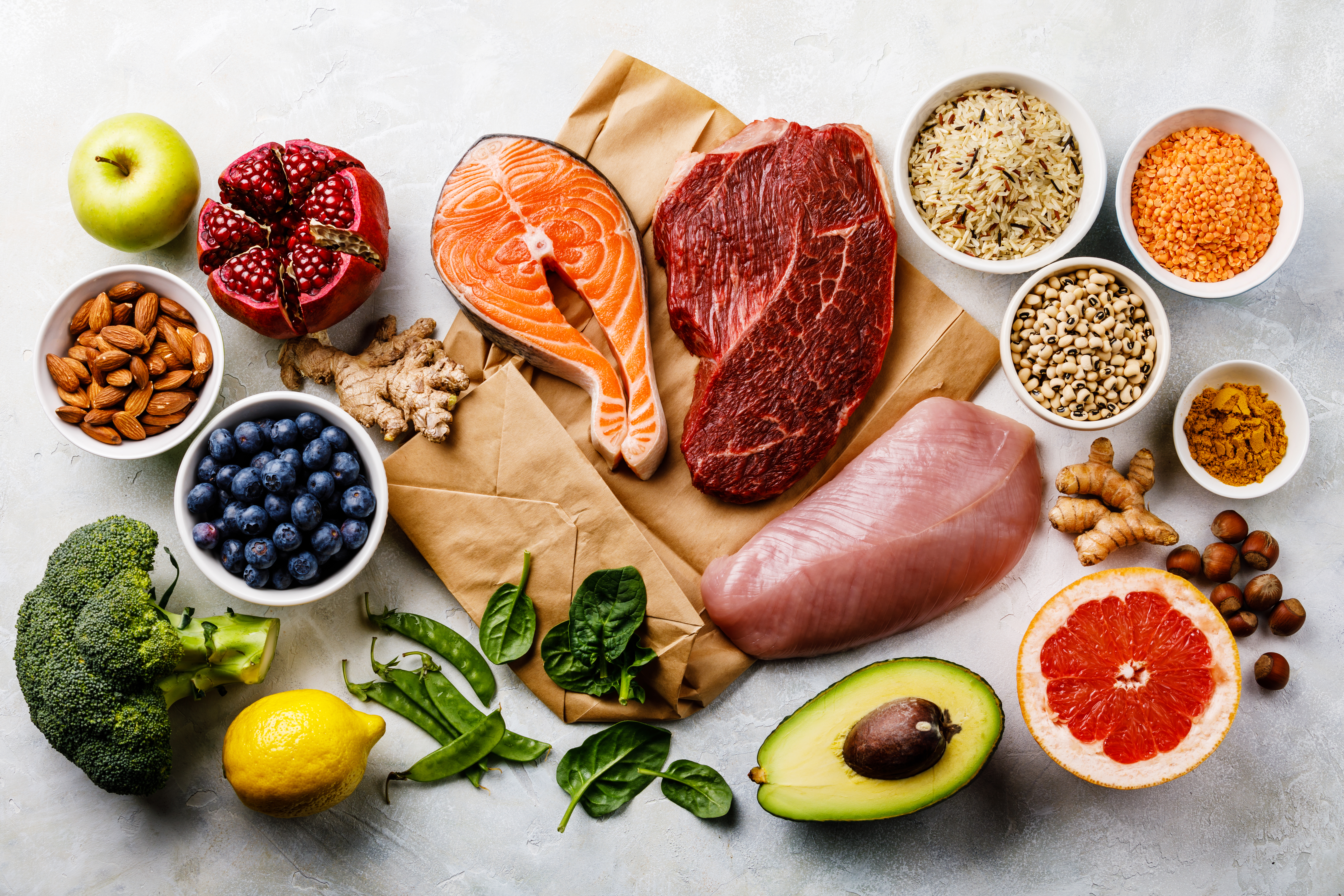
- Avocados
- Nuts and seeds
- Olive oil
- Fatty fish
These not only improves fullness but also supports heart health and nutrient absorption.
2. Your Diet is Low in Fiber
Fiber adds volume and slows digestion, helping control hunger and blood sugar. Think of fiber as a speed bump that slows the traffic going through the digestive system.
Without enough fiber, meals may feel less satisfying, even if you've eaten enough calories.
Fix it: Aim to include fiber at every meal:
- Whole grains
- Fruits and vegetables
- Beans and legumes
High-fiber diets are also linked to better digestion and long-term health benefits.
3. You're Eating Too Few Calories
Undereating can backfire by increasing hunger hormones and leading to overeating later. When your body doesn't get enough fuel, it increases hunger hormones and cravings to compensate.
This often leads to a cycle of restriction followed by overeating.
Fix it: Ensure your meals provide enough energy. A structured meal plan, like Seattle Sutton's Healthy Eating, helps remove the guesswork. Our Registered Dietitian Nutritionist team can also help determine your calories goals.
4. You're Eating Mindlessly
Eating while distracted (TV, phone, car) can lead to overeating without satisfaction. It makes it hard to notice how much you've eaten or how full you feel.
Fix it: Practice mindful eating:
- Sit down for meals
- Slow your pace
- Pay attendtion to hunger cues
5. Your Hunger Cues Are "Out of Sync"
Years of dieting or irregular eating patterns can dull your natural hunger and fullness signals. You may not recognize hunger until it's extreme, or fullness until it's uncomfortable.
Fix it: Rebuild your cues by:
- Eating regularly on a schedule
- Avoiding extreme restriction and skipping meals
- Focusing on consistency over perfection
Over time, your body will begin to trust that it will be fed regularly again.
6. A Health Condition May be Increasing Your Appetite
Certain medical conditions can directly impact hunger and metabolism. Conditions like:
...can all increase hunger.
Fix it: Work with your healthcare provider if hunger feels extreme or unusual.

7. You're Not Getting Enough Protein
Protein is one of the most filling nutrients. It slows digestion, stabilizes blood sugar, and helps reduce hunger between meals.
Meals low in protein may leave you searching for snacks soon after eating.
Fix it: Include protein in every meal:
- Chicken, fish, eggs
- Greek yogurt
- Beans and legumes
- Nuts and cheese
A balanced plate with protein + healthy fats + fiber is key.
8. You're Not Getting Enough Sleep
Sleep plays a crticial role in regulating hunger hormones. Even one night of poor sleep can increase hunger and cravings, especially for high-calorie foods. Too little sleep affects hunger hormones:
- Increases Ghrelin (hunger hormone)
- Decreases Leptin (fullness hormone)
Fix it: Aim for 7-9 hours of sleep per night to support appetite control.
9. Artificial Sweeteners May Be Increasing Cravings
While low in calories, artificial sweetners may confuse the body by signaling sweetness without delivering energy. Some research suggests artificial sweeteners can increase hunger and cravings for sweet foods.
They may also make naturally sweet foods (like fruit) seem less satisfying.
Fix it: Focus on naturally sweet foods like fruit and limit ultra-sweet products to reset your tastebuds.
10. You're Dehydrated
Dehydration is one of the most common, and overlooked, causes of hunger. Because thirst and hunger signals are similar, thirst is often mistaken for hunger.
Fix it: Stay hydrated throughout the day by:
- Drinking water regularly
- Including hydrating foods like fruits and vegetables
- Checking in with your thirst before reaching for a snack
Even mild dehydration can impact energy, focus, and appetite.

The Bottom Line: Balance is Key to Controlling Hunger
If you constantly feel hungry, it's often your body asking for better balance, not less food.
By focusing on:
- Adequate calories
- Balanced meals (protein, fiber, fat)
- Regular eating patterns
- Sleep and hydration
...you can regain control of your hunger and feel more satisfied throughout the day.
How Seattle Sutton's Healthy Eating Can Help
At Seattle Sutton's Healthy Eating, our dietitian-designed meal plans take the guesswork out of balanced nutrition. Every meal is thoughtfully portioned with the right balance of protein, fiber, and healthy fats; helping you stay full, energized, and on track toward your goals.