Colon cancer is the third most common cancer in the United States, and rates are rising, especially among younger adults. While genetics play a role, lifestyle choices can make a big difference in preventing colon cancer and supporting long-term health for survivors.
Here's what our dietitians recommend for prevention and thriving after a colon cancer diagnosis.
How to Lower Your Risk of Colon Cancer
Evidence consistently shows that lifestyle choices can lower your risk. Here are key strategies:
1. Eat fiber-rich foods
Fruits, vegetables, whole grains, legumes, nuts, and seeds help feed your gut bacteria, which produce anti-inflammatory and anti-cancer compounds. Keeping your gut healthy.
2. Exercise regularly
Physical activity lowers your risk and helps survivors live longer and feel better. Even short, intense bouts of exercise, like High Intensity Interval Training (HIIT), can slow growth of colon cancer cells, according to The Journal of Physiology.
3. Maintain a healthy weight
Extra body fat raises certain hormones, including insulin, that can fuel cancer growth and promote inflammation. Losing and maintaining a healthy weight with a healthy lifestyle lowers risk. Excess body fat is one of the strongest factors that increase risk.
4. Limit red and processed meats
High intakes are linked to higher colon cancer. Red and processed meats include beef, pork, lamb, bacon, sausage, hot dogs, and cold cuts.
5. Keep alcohol intake low
Drinking two or more alcoholic drinks per day is a known risk factor.

Convincing evidence shows that physical activity decreases risk, while processed meats, alcohol, and excess body fat increase it. Probable evidence suggests whole grains, dietary fiber, dairy products, and calcium can help lower risk.
Boost Your Colorectal Wellness Through Daily Movement and Activity
Regular activity is a cornerstone of prevention and survivorship:
- Survivors who are active often live longer and healthier lives
- The American Institute for Cancer Research (AICR) says staying active improves outcomes and recommends increasing daily movement
- Simple ideas: take the stairs, park further from the store, walk or bike with a friend instead of having dinner or a drink out, or fit in short exercise breaks during your day
Eat Smart: Nutrient-Dense Foods That Promote a Healthy Colon
A healthy diet can improve outcomes for those living with or after colon cancer and decrease the risk of developing it:
- Whole grains - Linked to better survival outcomes
- Coffee - Moderate intake may be beneficial, according to AICR
- Limt sugary drinks - Strong evidence supports reducing added sugars, especially in drinks, to lower risk.

Research published in the Journal of Clinical Obesity highlights that colon cancer survivors who adopt healthier diet and lifestyle habits may live longer and have lower recurrence risk compared to those with unhealthier habits. The study focused on stage 3 colon cancer patients and found:
- A 45% reduced risk of death and recurrence over 5 years compared to those with unhealthier habits
- Benefits, regardless of tumor characteristics, emphasize the power of lifestyle choices.
Important factors include coffee, nuts, sugar-sweetened beverages, refined grains, lycopene-rich vegetables, physical activity, and body weight
Important factors include coffee, nuts, sugar-sweetened beverages, refined grains, lycopene-rich vegetables, physical activity, and body weight.
Understanding the Risks Behind High-Protein and Low-Fiber Diets
Some people try high-protein diets that rely heavily on red or processed meats and limit whole grains, fruits and vegetables. This type of diet does not fit into the recommendations for lowering the risk of colon cancer because:
- Too much red and processed meat has been shown to raise risk
- Very low fiber can harm your gut bacteria, reducing the protective effect that fiber provides
- If following a high protein diet, include plant-based proteins like beans, lentils, nuts, and seeds to keep fiber high and meat intake moderate
How a Balanced Gut Microbiome Supports Strong Digestive Health
Your gut microbiome plays a vital role in colon cancer development and progression. The bacteria in the gut plays a big role in colon health:
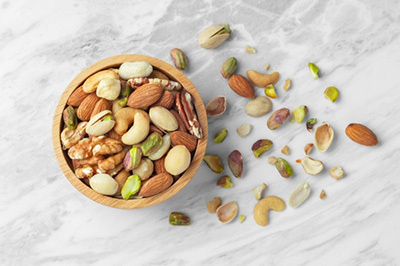
- Fiber-rich foods help feed gut bacteria, which produce anti-inflammatory and anti-cancer compounds
- Ellagitannins, found in walnuts, berries, and pomegranates, have powerful anti-inflammatory effects on colon polyps
- A study showed that a generous handful of walnuts (about ¼ cup) daily for three weeks lowered inflammatory markers in the blood
Easy Lifestyle Swaps for Better Colorectal Health
You don’t need to overhaul your life to make a difference. These small swaps can make a big impact on colon health:
Move More:
- Take the stairs instead of the elevator
- Park at the far end of the lot instead of right by the door
- Walk or bike with a friend instead of sitting for a drink or lunch
- Take 3–5 minute movement breaks every hour instead of staying seated all day
Eat Smarter:
- Add steamed/roasted veggies or side salad instead of chips or fries
- Swap white rice for quinoa or brown rice in your meals
- Choose fruit for dessert instead of cookies or ice cream
- Snack on almonds or walnuts instead of candy or chips
- Drink black coffee or coffee with a splash of milk instead of sugary lattes or flavored creamers
- Swap soda or sweet tea for sparkling water with fruit, unsweetened tea, or water
Support Your Gut:
- Add plain yogurt or kefir to breakfast instead of flavored yogurt with added sugar
- Include garlic, onions, or asparagus in meals instead of skipping vegetables
- Top salads with a handful of walnuts or pumpkin seeds instead of croutons or fried toppings
At Seattle Sutton’s Healthy Eating, we believe that small everyday choices add up to big health benefits. For colon cancer prevention and survivorship, we focus on:
- Eating more fiber-rich foods
- Choosing lean and plant-based proteins
- Staying active every day
- Supporting your gut
- Making swaps that work for you!
Our goal is to make healthy eating practical, delicious, and sustainable. By adding these habits into your routine, you can support your colon health, reduce cancer risk and feel your best every day.

Start Your Healthy Journey Today!
Order Now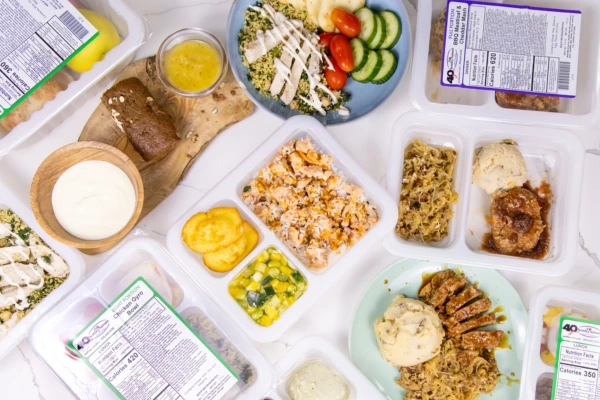


 Weight Loss
 Health & Wellness
 Diabetes
 Heart Health
 Motherhood & Family
 Dietary Restriction
 Other Health Conditions
 About SSHE
Learn More And Boost Your Well Being