
High blood pressure is often thought of as an "adult problem," something that develops later in life after years of stress and aging. But that's no longer the case.
Today, high blood pressure is showing up earlier, and more often, in both adults and children. And while it can develop quietly over time, its impact on long-term health is anything but silent.
More children and teens are developing high blood pressure earlier than ever. But here's what matters most: kids don't build habits on their own. They learn them by watching the adults surrounding them and what is available to them.
The encouraging news? That means parents have one of the most powerful tools for prevention: leading by example. This puts us in the driver's seat to turn this trend around. Lifestyle choices play a major role in both prevention and management.
What is High Blood Pressure (and Why It Matters for Your Family)
Blood pressure is the force of blood pushing against artery walls. When it stays too high over time, it forces the heart to work harder and can damage blood vessels.
In adults and teens, high blood pressure is generally defined as:
- Normal: Less than 120/80 mm Hg
- Elevated (Prehypertension): 120–139 systolic or 80–89 diastolic
- Stage 1 Hypertension: 140–159 systolic or 90–99 diastolic
- Stage 2 Hypertension: 160+ systolic or 100+ diastolic
In kids, blood pressure is considered high when it is at or above the 95th percentile for their age, sex, and height. See the following pediatric blood pressure charts for more information.
Blood Pressure Levels for Boys by Age and Height Percentile
Blood Pressure Levels for Girls by Age and Height Percentile
Why It's Increasing: It's Not Just Kids
Over the past two decades, high blood pressure in children and adolescents has risen at an alarming rate. Research shows a significant increase between 2000 and 2020, closely paralleling the rise of childhood obesity which has tripled since the 1980s.
The rise is largely driven by modern lifestyle patterns that mirror those seen in adults, showing that it is often shared behaviors between kids and the adults surrounding them.
Most of the key contributors are household patterns (not the individual child's):
Convenience foods becoming the default
Busy nights = fast food, frozen meals, and packaged snacks. Diets high in ultra-processed foods, processed meats, and convenience items are often high in sodium and low in heart-supporting nutrients like potassium, fiber, and magnesium.
Screen time replacing movement
Increased gaming, streaming, and strolling is taking the place of active play, sports, and outdoor activities. Kids aren't the only ones sitting more. Regular movement encourages cardiovascular fitness and a healthy weight.
Sugary drinks becoming routine
Juice, soda, and sports drinks often show up at meals and in between. Sugar-sweetened beverages add excess calories and sugar, often impacting weight management which increases strain on the cardiovascular system, raising blood pressure and blood sugar levels.
Less structure around meals and activity
Eating on the go, irregular meals, and less family time.
Kids don't create these patterns; they adapt to them. And when these habits become routine, they can quietly contribute to high blood pressure.
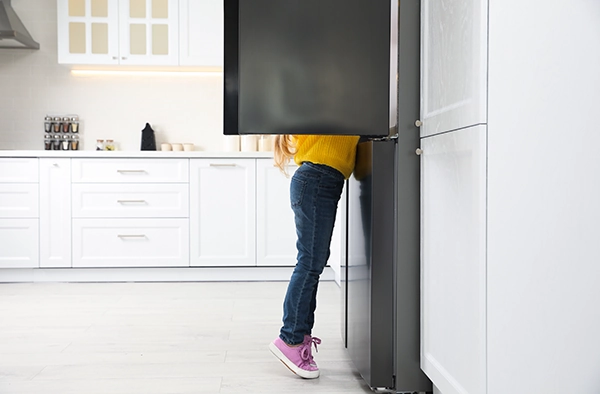
The Role Model Effect: What Kids Learn From Watching
Children are far more likely to adopt healthy habits when they see them consistently at home. Not perfectly, but regularly.
They notice what other's snack on and drink, how they handle stress, whether adults close to them prioritize movement, and how often the family sits down to eat together.
What this means in real life:
- If you drink water, they’re more likely to
- If you go for a walk, they’ll join
- If vegetables are normal (not forced), they become familiar
You don't have to "teach" healthy habits all the time but by being an example, they will learn and follow.
Foods That Quietly Raise Blood Pressure (For Everyone)
Instead of focusing on "kid foods," think about what the whole household is eating. Certain foods and drinks can contribute to temporary or long-term increases in blood pressure.
Common contributors:
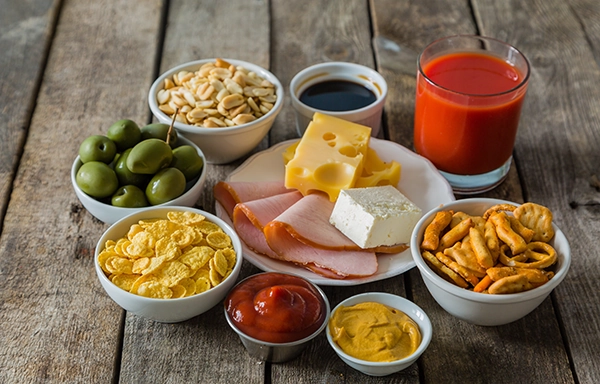
- Packaged snacks (chips, crackers, cheese snacks)
- Processed meats (hot dogs, deli meat, bacon)
- High-sodium frozen or canned meals
- Sugary drinks
- Energy drinks containing high amounts of sugar, caffeine and guarana (especially for teens)
The key takeaway:
If it's in the house regularly, it becomes part of everyone's routine.
Signs to Watch For in Kids
- High blood pressure is often silent, but children may show:
- Frequent headaches
- Shortness of breath
- Chest discomfort
- Feeling like their heart is racing
- Nausea or vomiting
If something feels off, it's worth a check-in with your pediatrician.
Sodium: The Hidden Driver in Everyday Foods
Here's what most parents don't realize: It's not the salt shaker or "salty food" that is the issue, it’s hidden sodium in everyday meals and snacks.
Sodium plays a major role in blood pressure control. High sodium intake can cause the body to retain excess fluid, increasing pressure inside blood vessels and placing strain on the heart.
Research shows that cutting even 1,000 mg per day of sodium in the diet can make a significant difference in blood pressure. For example, this would be like a teenager eating 3,600 mg per day cutting down to 2.600 mg per day.
Potassium: The Missing Nutrient That Helps Balance Blood Pressure
Potassium is the nutrient most families are missing and it plays a key role in keeping blood pressure in a healthy range.
Potassium helps:
- Balance the effects of sodium in the body
- Relax blood vessel walls
- Support healthy fluid balance
In simple terms, sodium pushes pressure up, while potassium helps bring it back down.
Kid-Friendly Foods High in Potassium
- Bananas
- Oranges and 100% orange juice (in moderation)
- Potatoes and sweet potatoes3
- Yogurt and milk
- Beans and lentils
- Spinach and leafy greens
- Avocados
- Tomatoes and tomato-based sauce
Simple swaps:
- Salty chips → baked potato or roasted sweet potatoes
Sugary granola bar → yogurt with fruit
Family-Based Changes That Actually Work
Forget all-or-nothing thinking. The most effective changes that'll make a long-lasting impact are the ones your whole family can stick with.
Shift the Home Environment (Not Just the Child)
Instead of singling kids out, adjust what’s available:
- Keep fruit visible and ready to grab
- Stock easy, balanced snacks (yogurt, cheese sticks, nuts)
- Buy fewer ultra-processed snacks (you don't have to ban them, just have the available less often)
Make Meals a Shared Experience
- Aim for a few family meals each week
- Sit down together whenever possible
- Avoid making separate "kid meals"
Kids are more likely to try and accept foods when they see parents eating the same thing.
Normalize Movement as a Family
Instead of telling kids to "go be active," make it something you do together:
- Walk after dinner
- Go to the park or ride bikes on weekend
- Play a sport or game as a family
Rethink Drinks at Home
- Make water the default drink option
- Keep sugary drinks occasional, like on holidays or special days, not daily
- Skip energy drinks entirely for kids and teens
What's in the fridge matters more than what's said.
Focus on Addition, Not Restriction
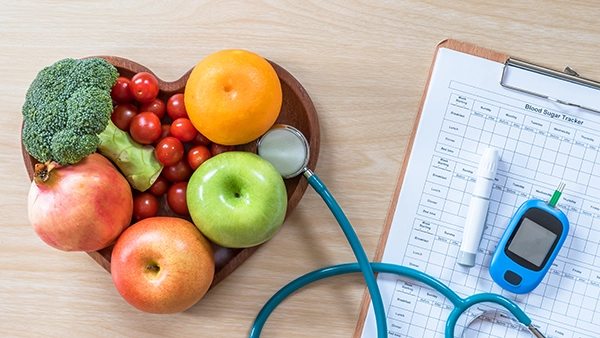
This is where many families get stuck. Adding healthier foods, will naturally crowd out the less healthy items. Focus on adding in foods that are high in potassium and fiber. Small additions like this naturally improve overall balance without feeling restrictive.
- Breakfast → add fruit and/or milk
- Lunch → include beans, yogurt, or fruit
- Dinner → add a vegetable or potato
- Snacks → try mashed avocado on whole grain crackers or banana and peanut butter
If Your Child Has High Blood Pressure
Early action makes a big difference and the focus can't be on the child alone. The most effective approach involves the whole family:
- More daily movement (~60 minutes)
- Reduced screen time
- More home-cooked meals eaten together
- Fewer sugary drinks
- Lower sodium intake
- More fresh, whole foods
When the whole household shifts, kids don't feel singled out and changes stick.
For Busy Families: Make Healthy the Easy Option
Life is busy. Consistency can be hardest part. Instead of relying on willpower:
- Plan simple meals ahead
- Keep healthy options visible
Because the easier it is, the more likely it happens for everyone.

Start Your Healthy Journey Today!
Order Now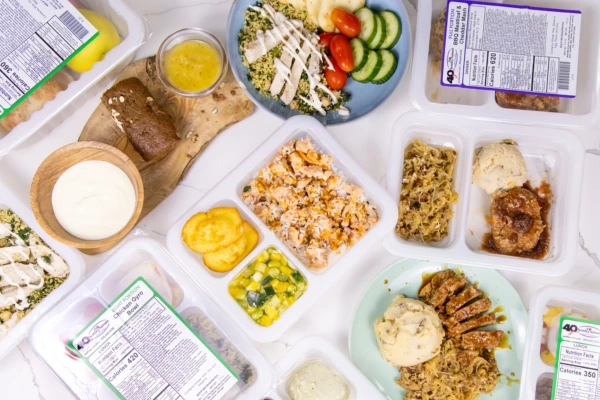

 Weight Loss
 Health & Wellness
 Diabetes
 Heart Health
 Motherhood & Family
 Dietary Restriction
 Other Health Conditions
 About SSHE
Learn More And Boost Your Well Being