
Healthy eating and regular physical activity are important steps to take to help keep yourself healthy and prevent diseases, such as high blood pressure and stroke. High blood pressure and strokes can occur because of a variety of reasons, some of which you can and others that you cannot control.
While we cannot control our family history, age, or gender; you can control many factors that lead to a healthy heart. Heart disease is the number one cause of death in America, affecting about eighty-six million people.
It is estimated that 47% of US adults have high blood pressure, many of which do not even know it. While these numbers are very high, it is important to recognize that there is a lot we can do to help prevent heart disease and lower these instances. Read on to learn more about what you can do for your ticker.
Factors Within Your Control
Physical Activity
Most Americans do not get the recommended amounts of physical activity. The general guideline is:
150 minutes per week of moderate physical activity, or 75 minutes per of vigorous exercise.
If your blood pressure or cholesterol is high, the American Heart Association recommends 45 minutes of exercise three to four times a week.
Regular exercise supports heart health by:
- Lowering blood pressure and stress
- Helps burn excess energy to support a healthy weight
- Improves insulin sensitivity (lowers blood sugar) for up to 72 hours
- Strengthens the heart muscle
- Boosts “good” HDL cholesterol
- Lowers “bad” LDL cholesterol and triglycerides
Sleep Quality and Consistency
Research in the journal Hypertension from March 2023 found that people with irregular sleep patterns have a higher risk of high blood pressure, even if they were getting the recommended amount of sleep each night. The researchers found that people who slept in on the weekend or had different bedtimes or wake times throughout the week were significantly more likely to have high blood pressure. The American Heart Association recommends 7-9 hours for adults and this new research shows the importance of sticking to a regular sleep schedule.
New statistics for 2023 show how important that 7–8-hour goal of sleep is. They found that every 1 hour decrease in sleep below 7-8 hours was associated with a 6% increased risk of total cardiovascular disease and every 1 hour increase above 7-8 hours was associated with a 12% higher risk.
Smoking & Tobacco Use
Smoking, vaping, and all forms of tobacco increase the risk of heart disease and stroke. Even exposure to secondhand smoke can raise risk.
Smoking raises blood pressure and heart rate and can increase the risk for a blood clot. It may also lower good “HDL” cholesterol too. The risk for heart disease and stroke lowers after quitting, so setting a goal to become smoke-free is a major step you can take to lower your risk.
Healthy Diet
A heart-healthy diet is one of the most effective tools for lowering your blood pressure, cholesterol, and inflammation.
Focus on More:
Plant-based foods
Vegetables, fruits, whole grains, and nut/seeds provide fiber that support healthy cholesterol levels and weight management. Yet most Americans fall short of daily recommendations.
Lean proteins
Choose skinless poultry, fish, and beans. Aim for fish at least twice a week, espeically options rich in omega-3 fatty acids like salmon, trout, and herring.
Healthy fats
Include sources like olive oil, avocados, and nuts/seeds in place of saturated fats.
Potassium-rich foods
Unless restricted for medical reasons, potassium helps balance sodium and support healthy blood pressure. One study found that people who ate a high sodium, low potassium diet had a higher risk of dying from a heart attack and those with a higher potassium intake had a 20% lower risk of dying. Potassium can lower the effects of sodium on blood pressure. Good sources include:
- Citrus fruits
- Potatoes
- Tomatoes
- Avocados
- Dairy products
Dairy items include calcium, magnesium, and potassium which can help to regulate blood pressure. Focus on low-fat or fat-free dairy.
Limit or Reduce:
- Limited saturated & trans fats found in high-fat animal products and many processed foods. Avoid food with partially hydrogenated oils.
- Red meat or processed meats. If you choose to eat red meat compare labels and select the leanest cut.
- Drinks and foods with high amounts of added sugars such as soda, fruit drinks, sweets, and desserts.
- Excess sodium. For high blood pressure, it is a good goal to eat less than 2300 mg of sodium per day, at times reducing further to 1500 mg per day is recommended.
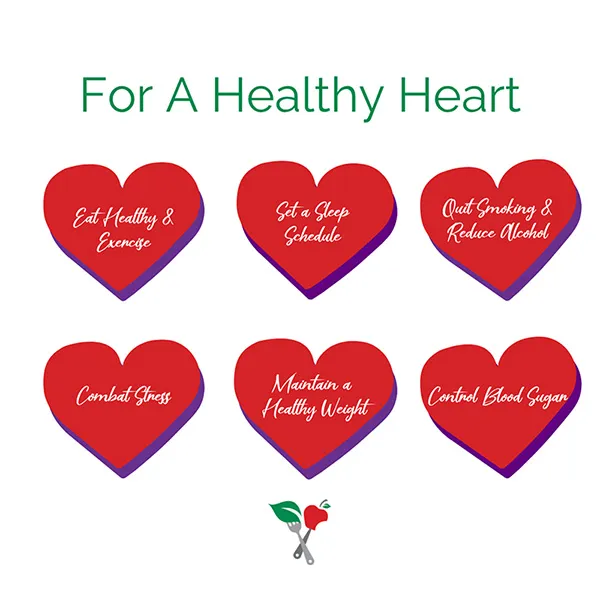
Supporting Heart Health Through Everyday Habits
Maintain a Healthy Weight
Even modest weight loss can improve blood pressure, cholesterol, and overall heart health. Extra weight (espeically around the abdomen) adds strain on the cardiovascular system.
Seattle Sutton's Healthy Eating meal plans are designed to support healthy weight management with portion-controlled, balanced meals aligned with trusted and evidence based nutrition guidelines for heart health.
Limit Alcohol
Alcohol can raise blood pressure and contribute to weight gain and elevated triglycerides. It also impacts sleep quality and overall long-term health.
Reducing or eliminating alcohol intake can support multiple areas of wellness, including heart health.
Manage Blood Sugar
Diabetes significantly increases the risk of heart disease. Over time, high blood sugar can damage blood vessels and nerves that support the heart.
A balanced, controlled diet that supports both blood sugar and heart health is essential for long-term wellness.
Reduce Stress
Chronic stress can raise blood pressure and often leads to habits that further increase risk, such as poor sleep, overeating, smoking, or alcohol use.
Support stress management by:
- Prioritizing sleep
- Staying active
- Eating balanced meals
- Making time for enjoyable activities
- Connecting with supportive people
- Seeking professional support when needed
Factors Out of Our Control
While lifestyle changes are powerful, some risk factors cannot be changed:
- Family history: A family history of early heart disease increases risk
- Age: Risk increases with age, especially after menopause
- Race: Certain populations, including African American, Mexican American, Native American, and some Asian American groups, have higher rates of high blood pressure
Small Changes Make a Big Difference
Reducing your risk for high blood pressure and stroke does not require dramatic changes all at once. Small, sustainable habits build long-term results.
Start with simple steps like:
- Taking a 10-minute daily walk
- Adding one extra serving of fruits or vegetables each day
- Drinking more water and fewer sugary beverages
- Establishing a consistent sleep schedule
- Choosing heart-healthy, portion-controlled meals
Seattle Sutton’s Healthy Eating is here to support you with convenient, nutritionally balanced meals designed to reduce stress, save time, and promote lifelong heart health.
Your heart health is built one choice at a time—and every healthy choice matters.

Start Your Healthy Journey Today!
Order Now


 Weight Loss
 Health & Wellness
 Diabetes
 Heart Health
 Motherhood & Family
 Dietary Restriction
 Other Health Conditions
 About SSHE
Learn More And Boost Your Well Being