




 Weight Loss
 Health & Wellness
 Diabetes
 Heart Health
 Motherhood & Family
 Dietary Restriction
 Other Health Conditions
 About SSHE



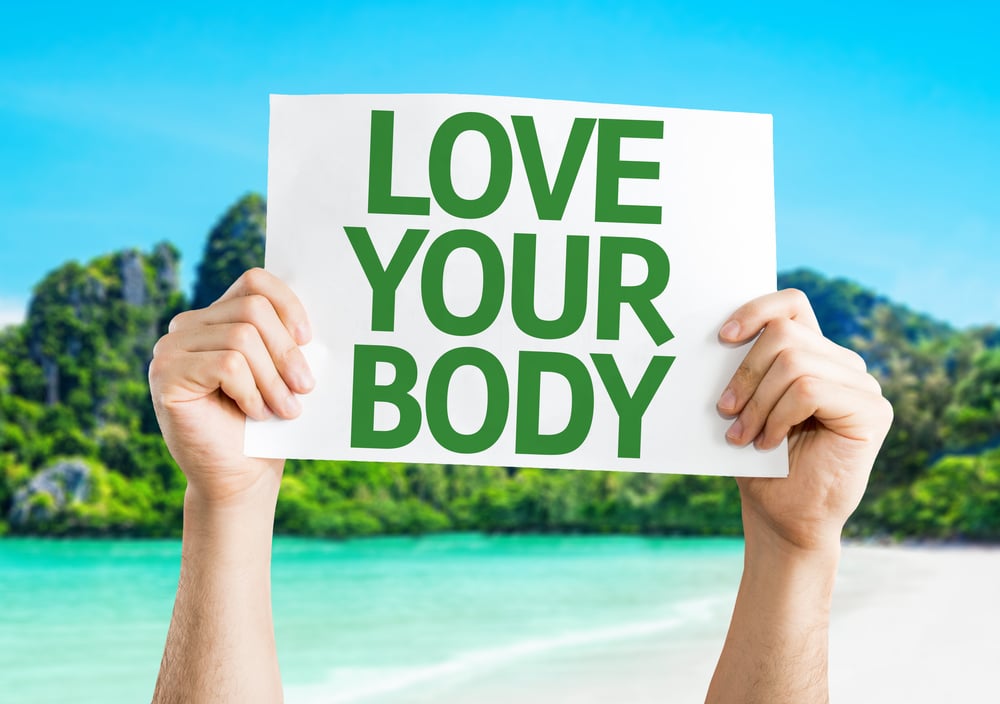
Learn to Love Your Body
Feeling good about your body is an important part of overall health. When you feel more comfortable in your own skin, you are more likely to move your body, enjoy social activities, wear clothes you like, and feel better mentally and emotionally.
For many people, though, having a positive body image can be very difficult.
From a young age, we are surrounded by messages about how our bodies should look. These messages come from media, advertising, social media, and even conversations with friends or family. Over time, it’s easy to start believing that our bodies are not good enough. Many people spend years trying to change their bodies, often hurting their physical and mental health in the process.
What Is Body Image?
Body image is how you see your body and how you feel about it. A positive body image does not mean loving everything about how you look. It means accepting your body, respecting it, and caring for it.
Someone with a healthier body image may:
-
Eat when they feel hungry
-
Rest when they feel tired
-
Move their body in ways that feel good
-
Appreciate what their body can do
Many people—especially women—struggle with body image. Studies show that even young children can feel unhappy with their bodies. A negative body image is linked to anxiety, depression, eating disorders, and stress.
How Body Image Affects Eating
When someone feels bad about their body, it often affects how they eat. This can include:
-
Choosing foods only because they promise weight loss
-
Feeling stressed about calories or the scale
-
Restricting food and then overeating later
-
Feeling guilty or ashamed around food
This cycle can be exhausting and often makes people feel worse, not better.
Media Pressure and Unrealistic Standards
Media often shows one “ideal” body type, even though bodies naturally come in many shapes and sizes. Most images we see are edited and unrealistic, but they still affect how we think and feel about ourselves.
Our bodies also change over time because of aging, pregnancy, health conditions, and life changes. These changes are normal. Everyone deserves respect and care, no matter what their body looks like.
Body Positivity and Body Neutrality
The body-positive movement encourages people to respect and care for their bodies and move away from harmful dieting. Over time, another idea called body neutrality has become popular.
Body neutrality means you don’t have to love your body every day. Instead, you recognize that your worth is not based on how you look. You focus on who you are and what your body allows you to do.
For many people, body neutrality feels more realistic and less stressful than trying to love their body all the time.
Small Steps Toward a Healthier Body Relationship
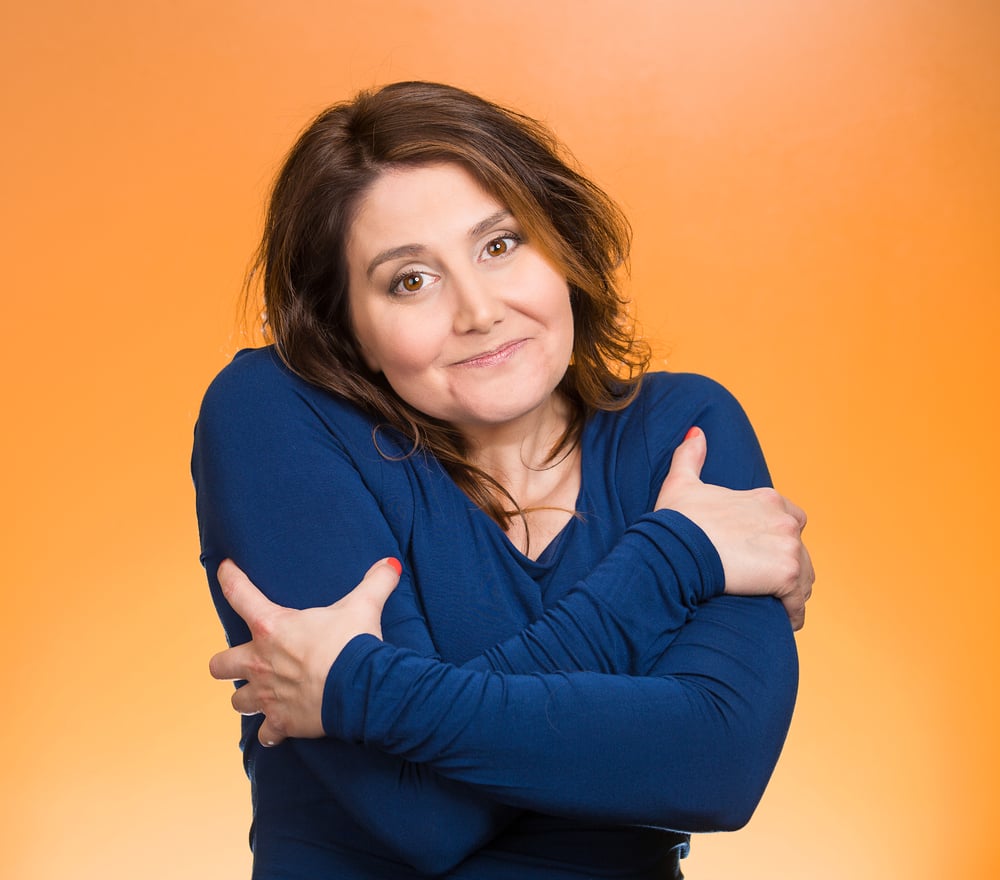
Changing how you feel about your body takes time. Start with small, gentle steps.
1. Find one thing to appreciate
If it’s hard to like how your body looks, focus on what it does. Maybe your legs help you walk your dog, or your hands help you cook, work, or create.
2. Listen to your body
Hunger, fullness, and tiredness are signals—not failures. Eating when you’re hungry and resting when you’re tired helps your body feel balanced and supported.
3. Wear clothes that fit and feel comfortable
Tight or uncomfortable clothes can make body image worse. Choose clothes that fit your body now and make you feel at ease.
4. Spend time with supportive people
Being around constant body talk—complaints, comparisons, or criticism—can be draining. Try to surround yourself with people and social media that are kind, supportive, and focused on health rather than appearance.
Why Acceptance Matters for Health
If you want to improve your health or manage your weight, accepting where you are now is an important first step. Being harsh or negative toward your body often leads to stress and unhealthy habits.
When you focus on health instead of just weight, you may notice many positive changes, such as:
-
Better digestion
-
Less stress
-
A better relationship with food
Research shows that improving health does not always require focusing on weight loss alone. Health is about how you feel and function—not just the number on the scale.
Moving Forward—One Step at a Time
Learning to accept your body, even a little more, can help you feel more confident and relaxed around food and movement. You may enjoy activities you once avoided or feel more comfortable in your daily life.
At Seattle Sutton’s Healthy Eating, we believe healthy eating should support both your body and your mind. Real, lasting change happens when you treat yourself with patience, kindness, and respect.
There is no perfect body—but there is a healthier way to care for the one you have, one small step at a time.