





 Weight Loss
 Health & Wellness
 Diabetes
 Heart Health
 Motherhood & Family
 Dietary Restriction
 Other Health Conditions
 About SSHE



Superfoods for Weight Loss
Many people searching for superfoods for weight loss are really looking for simple ways to improve energy, support healthy eating habits, and make better daily food choices without extreme dieting.
From a dietitian's perspective, "superfoods" are not magic ingredients - they are nutrient-dense foods that provide a high amount of vitamins, minerals, and fiber relative to their calories. These foods can help support satiety, balanced blood sugar, and overall wellness.
A structured, balanced apporach helps make it easier to consistently include these superfoods in everyday eating.
What are Superfoods in a Healthy Diet?
Superfoods are whole foods that offer:
- High nutrient density (vitamins, minerals, antioxidants)
- Naturally occuring fiber for fullness and digestion
- Support for heart health and metabolic wellness
- Lower calorie density compared to processed foods
While no single food causes weight loss, consistently choosing nutrient-dense foods can support long-term healthy weight management.
Why Superfoods Support Healthy Weight Loss
Including more superfoods in your daily routine can help:
- Improve satiety and reduce overeating
- Stabilize blood sugar levels
- Support digestive health through fiber
- Increase nutrient intake without excess calories
- Make healthy eating more satisfying and sustainable
This is why superfoods are often a core part of balanced dietitian meal plans for weight loss.
Dietitian-Approved Superfoods for Everyday Healthy Eating
A well-balanced diet includes a variety of fruits, vegetables, spices, seeds, and plant-based foods that naturally support health and wellness.
Pumpkin Seeds (Protein + Healthy Fat Superfood)
Pumpkin seeds are a nutrient-dense superfood rich in magnesium, zinc, protein, and healthy fats. They support satiety and make an easy addition to salads, yogurt, or grain bowl.
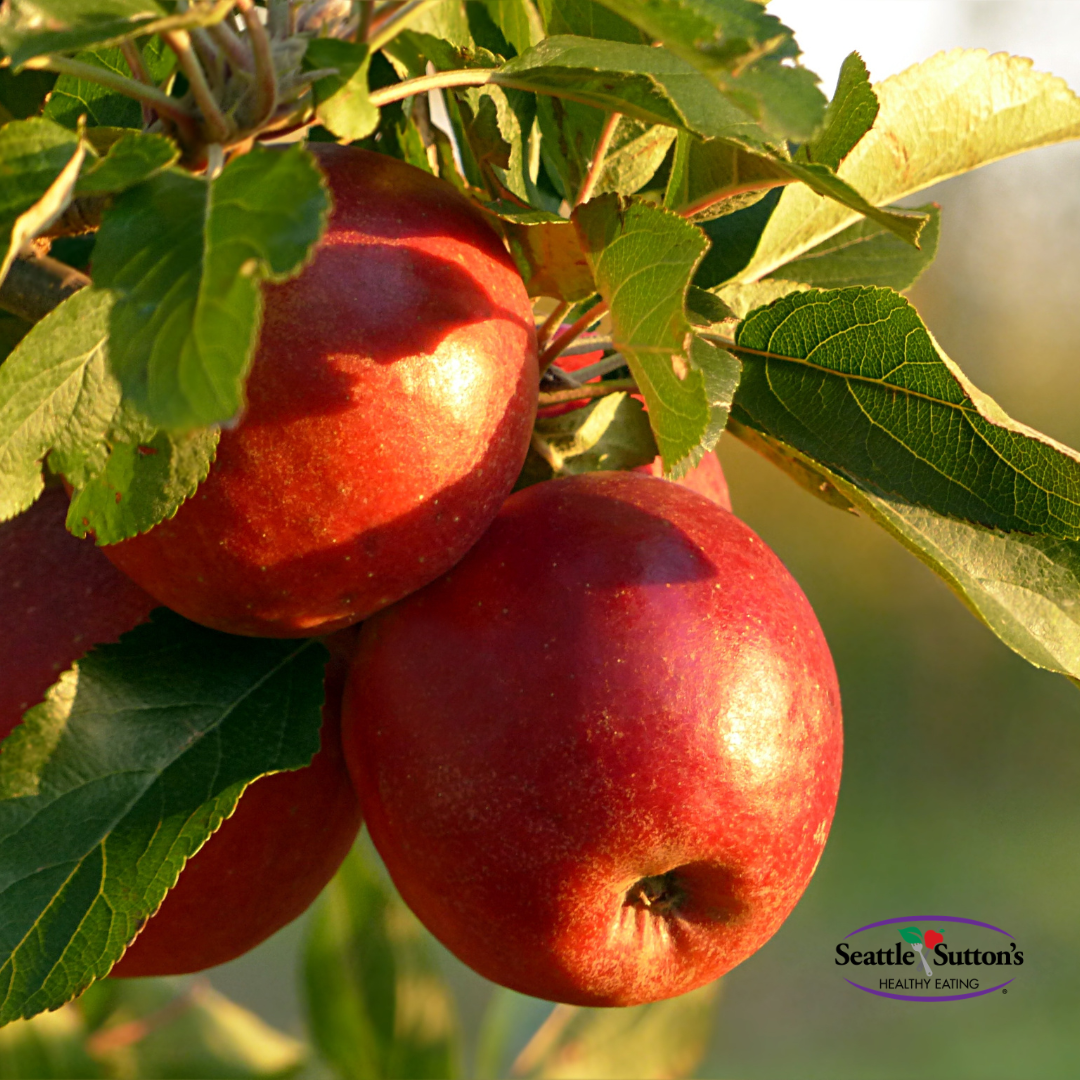
Apples (High-Fiber Superfood)
Apples are a classic superfood due to their fiber content and natural sweetness. With about 4 grams of fiber per medium apple, they help support digestive and fullness while being low in calories.
Almonds (Protein and Fiber-Packed Superfood)
Almonds are a nutrient-dense superfood that provide a satisfying combination of protein, fiber, and heart-healthy unsaturated fats. Research suggests that nuts like almonds can support weight management by helping you feel full and reducing hunger between meals.
Squash (Vitamin-Rich Complex Carbohydrate)
Squash is a superfood rich in vitamin A, vitamin C, and fiber. It provides satisfying texture and natural sweetness while remaining lower in calories than many starches sides.
Kale (Leafy Green Superfood Powerhouse)
Kale is one of the most well-known superfoods, offering vitamin A, C, and K along with antioxidants and fiber. It supports overall wellness and can be eaten raw or cooked.
Cinnamon (Metabolism-Friendly Spice Superfood)
Cinnamon is a functional superfood spice that enhances flavor without added sugar. It is often used in balanced eating patterns to support blood sugar-friendly meals.
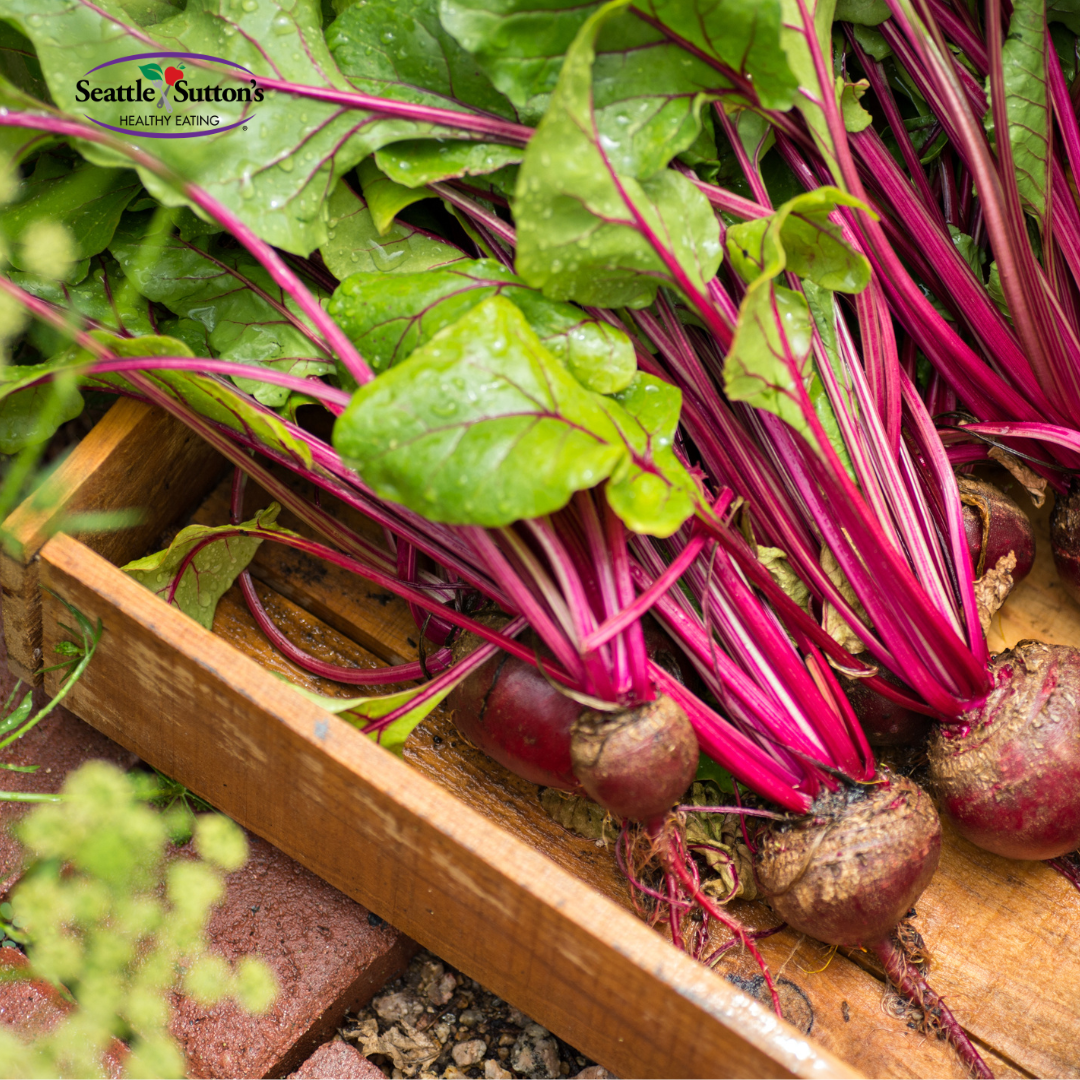
Beets (Heart-Healthy Superfood Root Vegetable)
Beets are rich in fiber, folate, antioxidants, and naturally occuring nitrates that support blood flow and cardiovascular health. They are a vibrant addition to a superfood-rich diet.
Oats (Fiber-Rich Whole Grain Superfood)
Oatsare one of the best superfoods for supporting weight loss. They contain a unique type of soluble fiber called beta-glucan, which can help slow digestion, promote fullness, and support healthy cholesterol. Starting your morning with a bowl of oatmeal can help curb hunger and make it easier to manage portions later in the day.
Leeks (Prebiotic Vegetable Superfood)
Leeks are a mild member of the onion family and provide fiber, potassium, and prebiotic compounds that support gut health and digestion.
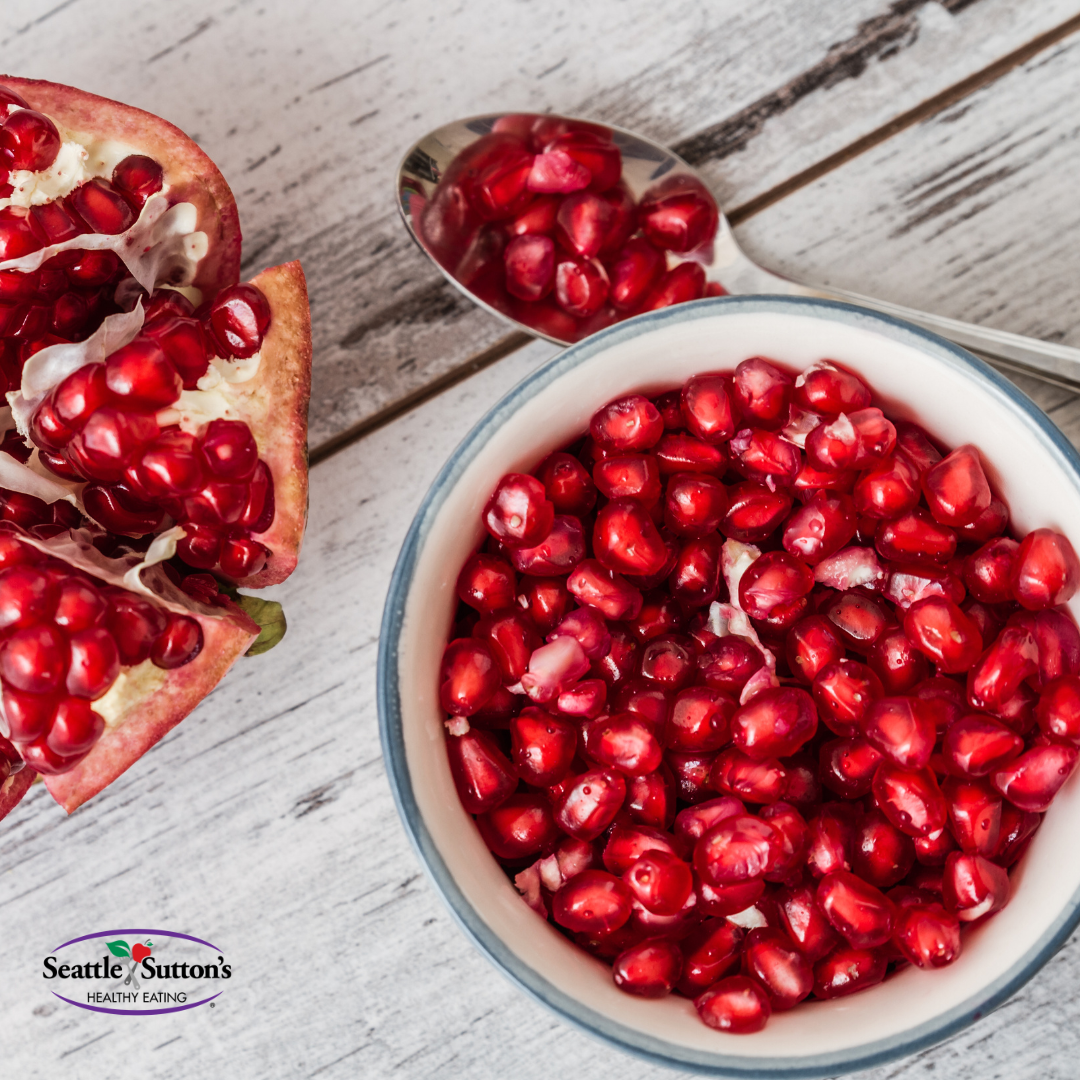
Pomegranates (Antioxidant-Dense Superfruit)
Pomegranates are one of the most antioxidant-rich superfoods, supporting heart health and inflammation balance. Their seeds add fiber and texture to meals and snacks.
How Superfoods Fit Into a Healthy Weight Loss Plan
The easiest way to consistently include these foods is through structured, balanced eating patterns. While no single food causes weight loss, regularly incorporating nutrient-dense foods can help reduce hunger, improve meal satisfaction, and make it easier to maintain a calorie deficit without feeling deprived.
Why Consistency Matters
Healthy weight loss is build on habits, not quick fixes. Creating routines around meal planning, balanced eating, and regular physical activity can help turn healthy choices into sustainable behaviors.
Superfoods can play an important role because many are naturally high in fiber, water, and nutrients while being relatively low in calories. This combination helps you feel fuller for longer, making it easier to manage portions and avoid unnecessary snacking.
Building Long-Term Weight Loss Success
Focusing on nutrient-dense foods can help support:
- Reduce hunger and improved satiety
- Better portion control
- More balanced blood sugar levels
- Increased nutrient intake without excess calories
- Sustainable, long-term weight management
When it comes to weight loss, there is no magic food. The most effective approach is consistently choosing foods that provide the most nutrition for the fewest calories. Superfoods like apples, kale, squash, pumpkin seeds, beets, and pomegranates can help support fullness, satisfy cravings, and make healthy eating more enjoyable.
By building meals around nutrient-dense superfoods and following a structured eating plan, you can create the calorie balance needed for weight loss while still enjoying satisfying, flavroful foods. Over time, these small, consistent choices can lead to lasting resulst and a healthier relationship with food.