We know there's a lot of information out there about obesity and cancer risk and it can feel overwhelming or even discouraging. At Seattle Sutton's Healthy Eating, we want to provide clear, evidence-based guidance, while emphasizing that every small step toward healthier habits matters.
Obesity By The Numbers
Obesity is more common today than ever. In the U.S.:
- In 2011, 27.4% of adults had obesity.
- By 2023, that number had risen to 32.8%
Rates also differ across communities:
- Non-Hispanic Black adults: 42%
- American Indian/Alaska Native adults: 39.6%
- Hispanic adults: 35.1%
- Non-Hispanic White adults: 32.2%
- Asian adults: 13.4%
Obesity and Cancer Risk
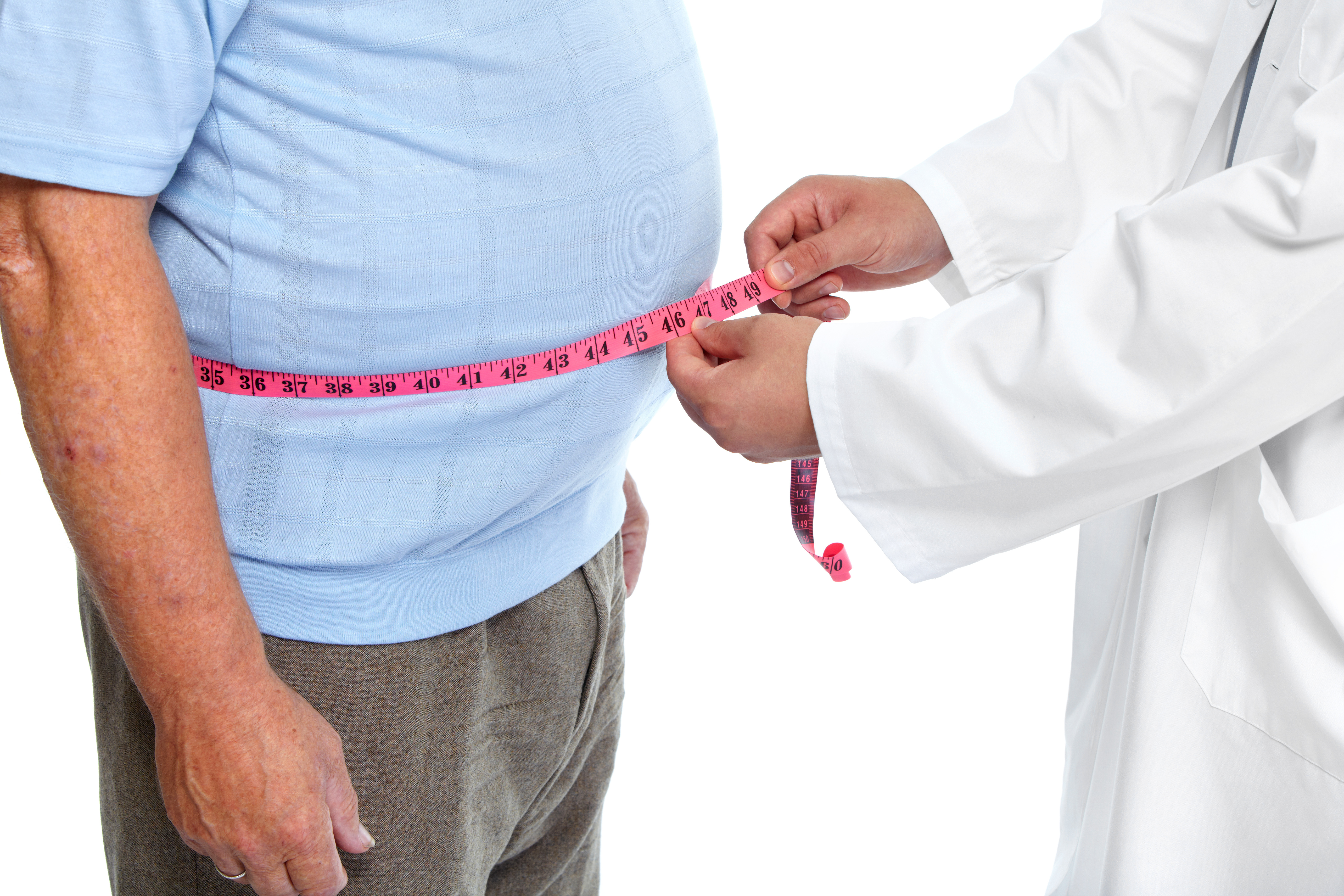
Large studies, including research from the International Agency for Reserach on Cancer (IARC), have confirmed that higher amounts of body fat are linked to an increased risk of many cancers. These include:
-
Endometrial (uterine)
-
Esophageal (adenocarcinoma)
-
Upper stomach
-
Liver
-
Kidney
-
Multiple myeloma
-
Meningioma (brain tumor)
-
Pancreatic
-
Colorectal
-
Gallbladder
-
Postmenopausal breast
-
Ovarian
-
Thyroid
Why Obesity Increases Cancer Risk
Excess body fat affects your body in multiple ways:
- Hormones: Fat tissues produce estrogen and other hormones that can promote some cancers.
- Insulin and IGF-1: Higher levels of insulin and insulin-like growth factor can increase cancer risk.
- Inflammation: Chronic low level inflammation can promote tumor growth.
- Adipokines: Hormones produced by fat cells can affect cell growth; for example, leptin may promote cell proliferation, while adiponectin, which is protective, tends to be lower in people with obesity.
- Other factors: Mechanical effects on organs, impaired immunity, and changes in tissues around developing tumors can also play a role.
These examples highlight why balanced nutrition, movement, and maintaining a healthy weight are important.
Can Losing Weight Lower Cancer Risk?
Evidence suggests that intentional weight loss can reduce the risk of certain cancers, especially:
- Postmenopausal breast cancer
- Endometrial cancer
- Colon cancer
Any weight change should be approached safely, sustainably, and with professional support, especially for people who have exisiting health conditions.
Obesity and Cancer Survivors
For people with a history of cancer, obesity can affect:
- Recovery and quality of life
- Risk of cancer recurrence or progression
- Risk of certain second cancers
Weight management after a cancer diagnosis can help, but individual guidance from a dietitian and medical team is essential.
What You Can Do: Dietitian Tips
Even if you have overweight or obesity, you can take actionable steps today to support long-term health:
Nutrition:
- Fill half your plate with vegetables and fruits
- Include whole grains, legumes, and lean proteins
- Limit highly processed foods and sugary drinks
- Practice mindful portions, not restriction
Activity:
- Aim for 150 minutes of moderate activity a week
- Include strength training a few times a week
- Move in ways you enjoy and can maintain
Lifestyle:
- Focus on gradual, realistic changes rather than quick fixes
- Track small wins, every healthy choice counts
- Seek support from loved ones and supportive communities

Obesity increases the risk for at least 13 cancers, and evidence continues to grow. The good news? Every healthy change matters, from adding more vegetables to your plate, choosing whole grains, being active, or reducing processed foods.
At Seattle Sutton's Healthy Eating, we focus on practical, sustainable strategies because long-term health is a journey, not a punishment. I challenge you to pick one positive habit, whether it's an serving of vegetables, a short walk, or swapping one processed snack for a whole-food alternative. Every step counts!

Start Your Healthy Journey Today!
Order Now


 Weight Loss
 Health & Wellness
 Diabetes
 Heart Health
 Motherhood & Family
 Dietary Restriction
 Other Health Conditions
 About SSHE
Learn More And Boost Your Well Being