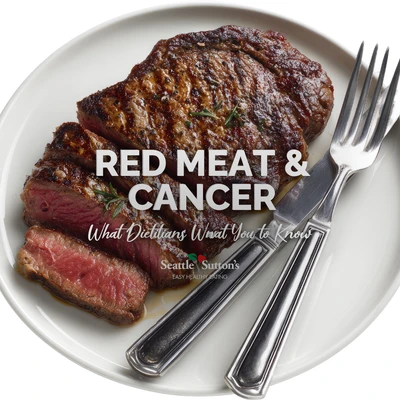
Nutrition headlines can be confusing and few topics spark more concern than red meat and cancer risk. As registered dietitians, we're often asked:
- Does red meat cause cancer?
- Do cold cuts or lunch meat cause cancer?
- Should cancer patients avoid red meat entirely?
- Does red meat contain carcinogens?
Let's break down what the research actually shows and how red meat can fit (or not fit) into a healthy eating pattern.
Does Red Meat Cause Cancer? What the Research Really Shows
Short answer: Red meat itselt does not automatically cause cancer, but how much you eat and how's it's prepared matters.
According to the American Institute for Cancer Research (AICR) and the World Cancer Research Fund, there is strong evidence that eating high amounts of red meat increases the risk of colorectal cancer. This association is strongest when red meat replaces high fiber foods like vegetables, fruits, and whole grains.
This does not mean red meat must be eliminated entirely, but it does support guidances to:
- Limit portion sizes (3-4 oz cooked per meal)
- Avoid daily intake
- Balance meals with fiber-rich plant foods
Red meat includes:
- Beef
- Pork
- Lamb
- Veal
Dietary patterns matter more than single foods.
Dietitian tip: Aim to fill half your plate with vegetables and whole grains, and keep red meat as a smaller portion.

Do Cold Cuts or Lunch Meat Cause Cancer? What the Evidence Suggests
This is where the evidence is stronger. Research shows they pose an even higher risk for colorectal cancer. This is largely due to compounds formed during smoking, curing, or using nitrate and nitrite-based additives.
Even small amounts eaten regularly can increase colorectal cancer risk. Processed meats are classified as "convincing" or "probable" carcinogens by the AICR and WCRF.
Common Examples:
- Bacon, sausage, hot dogs
- Ham, salami, pepperoni, bologna
- Corned beef
Dietitian tips:
- Swap deli meats for beans, lentils, grilled chicken or fish in sandwiches.
- Try homemade turkey or chicken patties instead of processed burgers.
- Add flavor with spices, herbs, and roasted veggies instead of cured meats.
Fun swap idea: replace bacon bits in salads with toasted chickpeas or roasted mushroms, you get the crunch without the risk.
Does Red Meat Container Carcinogens?
Red meat itself doesn't inherently contain carcinogens, but certain cooking methods can create them.
- High-temperature cooking (grilled, pan-frying, charring) can produce heterocyclic amines (HCAs) and polycyclic aromatic hydrocarbons (PAHs), which are associated with increased colorectal cancer risk.
Dietitian tips to reduce risk:
-
Baking, roast, stew, or slow-cook instead of grilling or pan-frying
-
Avoid charring or burning meat
-
Marinate meats with herbs, citrus, or vinegar to reduce HCA formation
-
Balance meals with vegetables, fruits, and whole grains
-
Keep processed meats to a minimum
Can Cancer Patients Eat Red Meat?
Yes, in many cases, but balance, portion, and moderation matter.
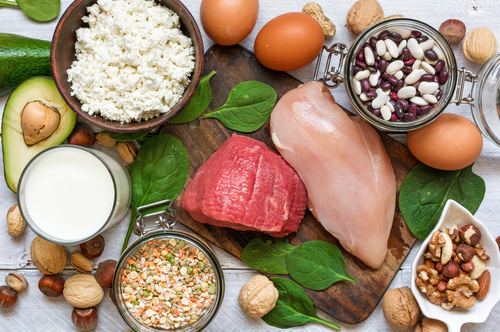
Red meat can provide protein, iron, zinc, and vitamin B12, which help maintain strength and prevent malnutrition during and after treatment.
Dietitian recommendations:
- Choose lean cuts
- Stick to smaller portions
- Eat red meat less frequently
- Avoid or minimize processed meats
Cancer patients should work closely with a registered dietitian to tailor protein and nutrient needs.
What Matters More Than Any One Food
Focusing on a single food misses the bigger picture. Research shows that overall dietary patterns matter far more than any individual ingredient.
Diets that support lower cancer risk focus on:
- Vegetables and fruits
- Whole grains
- Beans and legumes
- Lean proteins
- Limited processed foods and added sugars
No single food determines health, patterns do!
Dietitian tip: A simple framework: half your plate vegetables and fruits, a quarter lean protein, and a quarter whole grains.
Bottom Line
Red meat can be part of a balanced, healthy diet when enjoyed mindfully with lean cuts, moderate portions, and careful cooking methods. Processed meats, on the other hand, should be limited or swapped for plant-forward or lean protein options.
At Seattle Sutton's Healthy Eating, our meals provide balanced protein, fiber-rich vegetables, whole grains, and nutrient-dense ingredients. Our focus on overall dietary patterns, variety and balance help you give your body the best chance for health without stress, guilt, or complicated rules.

Start Your Healthy Journey Today!
Order Now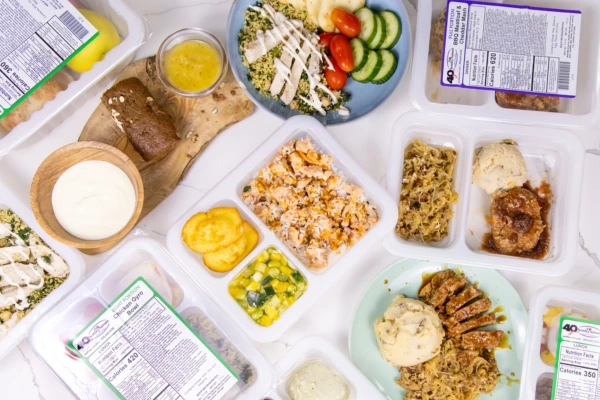


 Weight Loss
 Health & Wellness
 Diabetes
 Heart Health
 Motherhood & Family
 Dietary Restriction
 Other Health Conditions
 About SSHE
Learn More And Boost Your Well Being