




 Weight Loss
 Health & Wellness
 Diabetes
 Heart Health
 Motherhood & Family
 Dietary Restriction
 Other Health Conditions
 About SSHE



9 Easy Steps to a Healthier and Fitter Family
Getting healthier doesn't have to mean following the latest fad diet or making drastic lifestyle changes overnight. In fact, some of the most successful health transformations happen when the whole family gets involved.
Families tend to share many of the same habits... from the foods they keep in the house to how active they are during the week. That means healthy changes made by one person often benefit everyone. Whether your goal is to improve nutrition, become more active, or simply feel better, creating healthy habits together makes lasting success much more achievable.
Here are some of the best ways to build a healthier family, one small step at a time.
1. Be the example your kids will follow.
Children learn far more from what they see than from what they're told.
Parents choose groceries, prepare meals, schedule activities, and create the home environment. When children regularly see adults enjoying vegetables, drinking water, taking walks, or making time for exercise, those behaviors become normal (not something they "have" to do).
Research consistently shows that when parents adopt healthier habits, their children often do too. Rather than asking kids to make changes on their own, lead by example and invite them to join you.
Simple ideas include:
- Taking an evening family walk
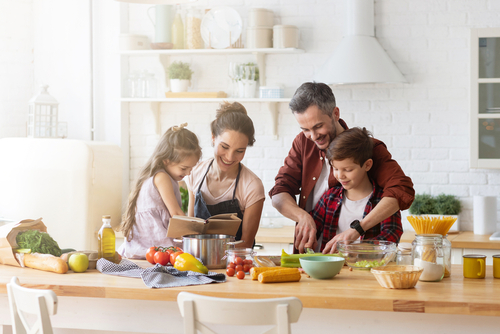
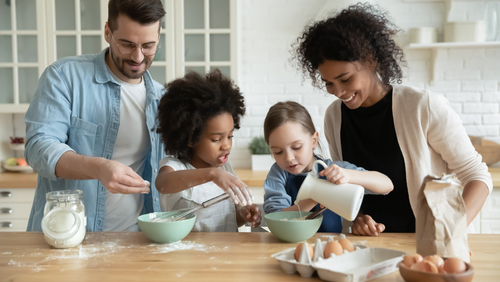
- Cooking dinner together
- Trying a new fruit or vegetable each week
- Letting kids help plan healthy meals
2. Focus on health, not the number on the scale
Healthy living should never feel like a punishment. Instead of talking about weight or dieting, shift the conversation toward what healthy habits help us do. Nutritious foods fuel our bodies, support growth, improve energy, strengthen our hearts, and help us stay active.
When healthy eating becomes part of everyday family life instead of a temporary "diet," children are more likely to develop a positive relationship with food that lasts into adulthood.
Remember, the goal isn't perfection, it's progress.
3. Use positive messages around food.
The words we use matter. Research suggests that overly restrictive food rules or pressure to eat can backfire, increasing stress around eating and making family healthy habits harder to maintain.
Instead of saying:
- "Finish everything on your plate."
Try:
- "Is your tummy feeling full?"
- "Foods help our bodies grow strong."
Avoid using dessert as a reward or labeling foods as "good" or "bad." Teaching balance and moderation helps children build lifelong confidence around food.
4. Make family meals a priority.
Family meals are about much more than food. Eating together gives everyone a chance to slow down, connect, and model healthy eating habits. Children who regularly eat meals with their families tend to consume more fruits and vegetables, develop healthier eating patterns, and build stronger family relationships.
Try to minimize distractions by turning off televisions and putting phones away during meals. Even a few shared dinners a week can make a meaningful difference.

5. Get everyone involved.
Healthy living works bests as a team effort. Invite grandparents, siblings, caregivers, and even young children to participate. Kids can help wash vegetables, stir ingredients, choose a healthy recipe, or set the table. Giving everyone a role helps build excitement and ownership.
When healthy chocies become something the whole family enjoys together, they feel less like chores and more like everyday life.
6. Move more together.
Physical activity doesn't have to happen in a gym. Aim for about 30 to 60 minutes of movement most days, but remember that it can happen in short bursts throughout the day.
Ideas include:
- Family walks
- Bike rides
- Backyard games
- Dancing in the living room
- Hiking local trails
- Playing catch or basketball
Limiting recreational screen time also creates more opportunities for movement, creativity, and quality family time.
7. Build a healthy home environment.
Making healthy choices easier often starts with what's available at home. Keep washed fruit where it's easy to grab, stock vegetables for snacks, choose whole grains more often, and keep water readily available. Small environmental changes can naturally encourage healthier decisions.
Rather than striving for a "perfect" pantry, focus on creating balance. There is room for favorite treats while making nutritious foods the foundation of your family's meals.

8. Celebrate success without food rewards.
When your family reaches a goal, whether it's trying new vegetables, completing a week of family walks, or cooking together more often, celebrate the accomplishment (without treats).
Instead of rewarding process with food, consider:
- A family movie night
- Visiting a park
- Buying a new book or game
- Planning a day trip
- New sports equipment
- Choosing the next family activity
Positive experiences help reinforce healthy habits in a lasting way.
9. Don't forget sleep.
Good health isn't just about nutrition and exercise. Quality sleep plays an important role in energy levels, mood, appetite control, and overall health for both children and adults. Creating consistent bedtime routines and limiting screens before bed can help everyone wake up feeling their best.
Healthy Families Are Consistent
Buidling a healthier lifestyle doesn't happen overnight. Small, sustainable habits practices together can have a lasting impact on every member of the family.
Focus on creating a home where nutritious foods are available, movement is enjoyable, meals are shared, and healthy choices are encouraged NOT forced. Over time, these everyday habits become part of your family's routine and can lead to better health for years to come.
Whether you're looking to eat healthier, simplify mealtime, or support your families wellness goals, Seattle Sutton's Healthy Eating makes it easier with dietitian-designed, perfectly portioned meals that the whole family can enjoy. Healthy eating doesn't have to be complicated, it just has to fit into real life.