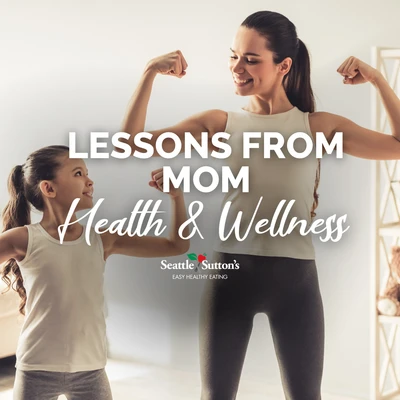
When I think about the foundation of real, lasting health, I don't think about trends, apps, or complicated rules. I think about my mom. Not because she had all the "latest" nutrition science, but because she lived the habits that science now continues to confirm: simple, consistent behaviors are what build lifelong health.
As a dietitian, I see it every day - people searching for quick fixes, new diets, or extreme routines. But the truth is, many of the most powerful health habits are the ones we grew up with… and quietly left behind.
Let's revisit the timeless lessons we learned from our moms - and the ones we may need to let go of.
The Habits Mom Got Right (and Science Still Agrees With)
1. Eat your breakfast
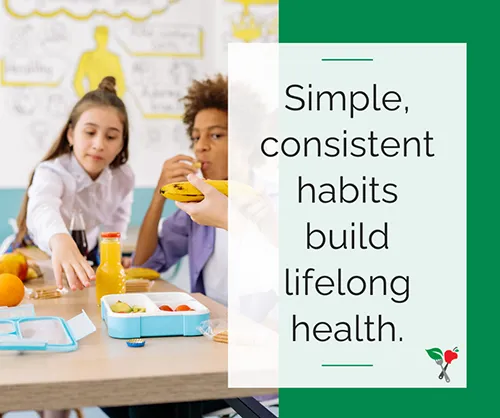
Mom didn't need a nutrition study to tell her breakfast mattered. She knew that starting the day with real food set the tone for energy, focus, and fewer cravings later on.
Today, we understand why: a balanced breakfast helps stabilize blood sugar and supports better choices throughout the day. It doesn’t have to be fancy, just intentional.
2. Buy fresh food and only what you need
There was no "bulk buying chaos" or oversized portions sitting forgotten in the fridge.
Mom bought what she needed, planned meals around it, and used it. This naturally supported portion awareness, reduced waste, and encouraged home cooking.
It's a quiet but powerful lesson in mindful eating: food is meant to be used, not stored endlessly or over-consumed.
3. Move your body through life, not just workouts
Exercise wasn't always a scheduled punishment - it was part of living. Family time often included activity, like evening walks or weekend bike rides. Movement was more about connection and enjoyment than obligation.
That might have looked like:
- Community sports
- Family bike rides
- Walking to visit neighbors
- Joining a local fitness center or class
Movement was social, enjoyable, and consistent - not extreme. And that's what makes it sustainabe. If you enjoy it, you keep doing it.
4. Cook meals and eat together
Dinner wasn't eaten in separate rooms or on screens. It was at the kitchen table with everyone present and no distractions. Cooking at home and sitting together builds more than nutrition... it builds connection, awareness, and portion balance. It naturally slows us down and helps us tune in to hunger and fullness.
Research continues to show that family meals are linked to healthier food choices, better communication, and improved long-term habits.
5. Celebrate without guilt
Mom always treated celebrations as part of life, not something to "make up for" later. Holidays, birthdays, and gatherings were meant to be enjoyed fully, without overthinking every bite or attaching rules to the moment.
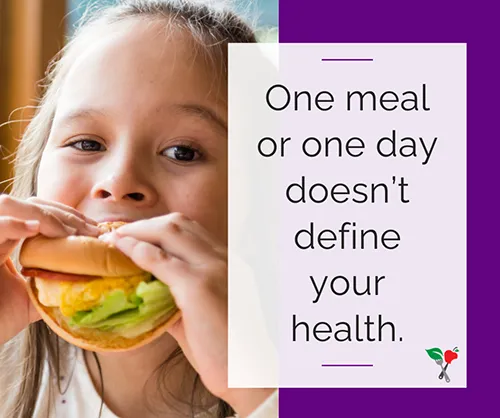
The mindset was simple: enjoy the food, enjoy the people, and move on. One meal or one day doesn't define overall health.
When food is seen as part of connection and celebration eating becomes more relaxed, balanced, and sustainable over time.
6. Be prepared and be early
Whether it was packing lunches, planning dinner, or getting out the door on time, preparation was everything. This habit reduces stress, improves food choices, and prevents last-minute decisions that often lead to less balanced eating.
Preparedness is still one of the strongest predictors of long-term success with nutrition.
The "Lessons" We Need to Let Go Of
Not everything we picked up over time serves us today. Some messages we absorbed, often unintentionally, need to be forgotten.
Weight loss fads and trends
From detoxes to extreme diets, these approaches promise fast results but don't deliver lasting health.
Yo-yo dieting
Repeated cycles of restriction and rebound eating can negatively impact metabolism, energy, and relationship with food.
Negative body talk
Criticizing our bodies, ours or others, doesn't create health. It creates stress, comparison, and disconnection.
"Fat-free" and "sugar-free" marketing traps
These labels often distract from overall nutrition quality and can lead to overly processed choices.
Spot-reduction exercise myths
We cannot "target" fat loss in specific body areas. Health and body composition improve through overall balanced lifestyle habits.
Not making time for ourselves
Self-care is not optional. Rest, enjoyment, and mental health are essential parts of physical health.
The Real Secret: Simplicity Wins
What mom really taught us, whether she knew it or not, is that health isn't complicated. Mom didn't need complicated nutrition rules to keep things on track. These simple habits created structure without rigidity. And over time, that consistency was what supported long-term health.
It's:
- Eating real food
- Moving in ways we enjoy
- Sharing meals
- Staying consistent
- Letting go of extremes
At Seattle Sutton's Healthy Eating, we see this every day. The most successful, sustainable health journeys aren’t built on perfection; they're built on simple, repeatable habits that feel like real life.
The goal isn't to reinvent health. Maybe it's to return to what we already knew... before diets, trends, and noise got in the way. Because sometimes, mom we all look back and realize mom was always right.

Start Your Healthy Journey Today!
Order Now

 Weight Loss
 Health & Wellness
 Diabetes
 Heart Health
 Motherhood & Family
 Dietary Restriction
 Other Health Conditions
 About SSHE
Learn More And Boost Your Well Being