



 Weight Loss
 Health & Wellness
 Diabetes
 Heart Health
 Motherhood & Family
 Dietary Restriction
 Other Health Conditions
 About SSHE


The Real Cost of Healthy Eating
As a dietitian, one of the most common things I hear is: "Healthy eating is too expensive."
I understand where that belief comes from. According to Bank of America Institute, nearly a quarter of all households are living paycheck to paycheck, and socio-political factors such as trade policies, inflation, and extreme weather patterns are resulting in higher prices at the grocery store. But after years of working with clients, I’ve learned something important: The cost of healthy eating isn't just about groceries.
Where costs tend to rise isn't the food itself. In fact, some of the most affordable foods in the grocery store can form the foundation of a nutritious, heart healthy diet. However, with our packed schedules, trying to balance nutrition, portion-sizes, and variety can feel overwhelming. Opting for convenience by eating out, wasted food and inconsistent eating habits often have the largest impact on your budget.
Let's take a closer look at where money is often lost, where you can save, and how that compares to Seattle Sutton's Healthy Eating.
Where Costs Quietly Climb When Trying to Eat Healthy on a Budget
More than half of all American's do not feel confident that they know which foods are healthy for them. This often leads to dining out to get what they consider to be a "nutritious" meal based on a description. What they often don't realize is that those recipes come with hidden nutritional drawbacks.
Eating Out Adds Up Fast
Restaurant meals and takeout are some of the most expensive ways to eat - and often the least supportive of health goals because portions are large, and sodium and calories are high.
Just 3 restaurant meals per week at $18 each equals:
-
~$54 per week
-
~$215 per month
-
~$2,500 per year
Convenience Costs More Than Nutrition
Convenience foods are ultra processed foods designed to minimize the time needed for consumers to prepare meals from scratch. Due to their extended shelf life, they are often loaded with sodium, fat, and sugar in comparison to fresh food and often cost 2-4 times more per serving. Examples of convenience foods include:
-
Pre-cut produce
-
Single-serve processed snacks (chips, granola bars, etc)
-
Frozen meals and instant foods (frozen pizza, microwave dinners, canned soups)
You're paying for time saved, not better nutrition.
Food Waste is More Expensive Than You Think
Buying fresh food with good intentions but not using them is one of the biggest budget drains I see. That unused produce and forgotten leftovers cost more than people realize.
Fresh foods don't last forever. As a dietitian, I see this all the time:
-
Produce spoils before it's used
-
Leftovers get pushed to the back of the fridge
-
Ingredients bought for one healthy recipe never get reused
That wasted food is wasted money. The average household wastes 30-40% of the food they buy. For someone spending $100 per week on groceries, that's:
-
$30-$40 wasted weekly
-
$120-$160 per month
-
$1,500-$2,000 per year
Where Healthy Eating Can Be Affordable
When people plan ahead, healthy eating can be very budget friendly.
Smart Grocery Choices
Some of the most nutritious foods are also the least expensive, costing less than $1 per serving:
-
Dried or canned beans and lentils: ~$0.20-$0.30 per serving
-
Oats: ~$0.15 per serving
-
Brown rice or whole grains: ~$0.10-$0.20 per serving
-
Frozen fruits and vegetables: ~$0.50 per serving
-
Eggs: ~$0.25-$0.35 per egg
-
Seasonal produce: often 30-50% less than out-of-season items
These foods stretch your dollar and support heart health and weight management.

Cooking at Home Saves Money
Preparing meals at home, even simple ones, costs far less per serving than restaurant meals or takeout. Cooking doesn't have to be elaborate to be healthy.
A simple home-cooked meal typically costs $2-$6 per serving.
Compare that to:
-
Fast casual meals: $12-$18
-
Sit-down restaurants: $18-$30 (before tip)
-
Takeout with delivery fees: $20-35 per person
Even 2-3 meals out per week can add over $200 per month!
Portion Awareness Stretches Your Budget
Eating appropriate portions helps food last longer and prevents overeating, which saves money over time.
For example, a recipe meant for 4 servings often becomes 2 large portions which doubles the cost per meal and shortens how long groceries last.
Hidden Costs of an Unhealthy Diet
As a dietitian, I encourage people to look beyond weekly food costs. Beyond the price of food at the grocery store or dining out, there are 2 other real costs we have to account for: Time and Health.
Your Time is a Real Cost
While it's harder to put a price tag on time spent, we must acknowledge the time debt associated with preparing healthy meals, especially when you're just starting out on your journey. Planning balanced meals, shopping, prepping, cooking, and cleaning takes hours each week.
When time runs out, many people fall back on takeout or convenience foods - which are more expensive and less nutritious.
The Price Tag of Poor Health
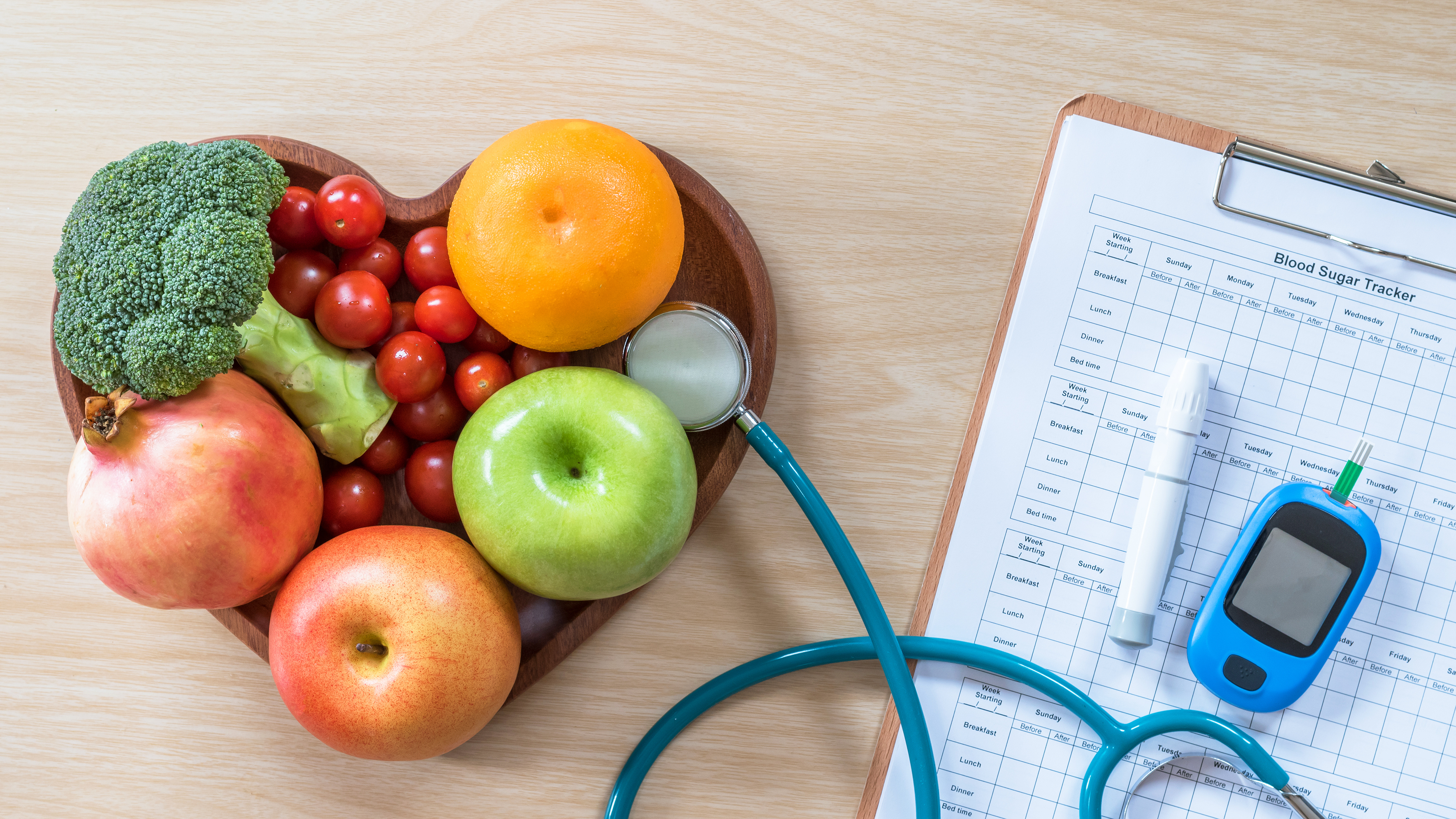
While food alone doesn't guarantee health, inconsistent eating patterns often increase medical costs. Consistent healthy eating is linked to better blood pressure control, improved cholesterol levels, healthier blood sugar, and reduced need for medication over time.
Long-term savings may include:
-
Fewer doctor visits related to diet-related issues
-
Lower prescription costs
-
Reduced spending on new weight loss programs or fads
-
Less money spent reacting to health issues instead of preventing them
Good nutrition is an investment in your long-term health!
Affordable Healthy Eating Solutions
Seattle Sutton's Healthy Eating was designed to remove the most expensive and stressful parts of healthy eating – the planning and preparation. With Seattle Sutton's Healthy Eating, you'll get:
-
No surprise grocery bills
-
No last-minute restaurant spending
-
No guessing what to eat
The True Value of Prepared Healthy Meals
You're paying for prepared meals - but not restaurant-level portions, sodium, or calories. Compared to eating out regularly, Seattle Sutton's Healthy Eating is often a more cost-effective option.
How Seattle Sutton's Healthy Eating Helps Reduce Budget Drain
Every meal is portioned intentionally. There's nothing extra sitting in your fridge going bad, and nothing you're throwing away at the end of the week.
This alone can save $100+ per month for many people!
Built-in Value: Portion Control & Dietitian Planning
Portion sizes matter - not just for weight loss, but for overall health. Our meals take the guesswork out of how much to eat, helping clients avoid overeating while still feeling satisfied.
As a dietitian, I can tell you that professional meal planning and nutrition counseling takes time and knowledge. In private practice, nutrition counseling often costs $80-$140 per hour. Seattle Sutton's Healthy Eating includes no extra appointments or additional fees.
Ready-to-Eat Meals Support Consistency
When meals are ready for you, it's easier to stick with healthy habits. And consistency is what leads to results - both for health and for your budget.
DIY Healthy Eating vs Seattle Sutton's Healthy Eating
Consumers are spending roughly $750-$1360 a month on food, plus hours spent in the kitchen (which many of us simply don't have). When you break it down:
-
Grocery spending: $400-$600 a month
-
Food waste: $120-$160 a month
-
Takeout and convenience meals: $150-$300 a month
-
Nutrition Guidance: $80-$300 a month
-
Time spent planning and cooking: 20-40 hours a month
Now, compare that Seattle Sutton's Healthy Eating:
-
1200 calorie dietitian-designed meal plan: ~$652/month
-
2000 calorie dietitian-designed meal plan: ~$772/month
Many people find that Seattle Sutton's Healthy Eating costs less than expected - and sometimes less than trying to do it all on their own. The difference can add up to over $8,000 a year!
Is Healthy Eating Really More Expensive? A Dietitian's Perspective
Healthy food itself is affordable. What gets expensive is:
-
Convenience
-
Eating out
-
Wasted food
-
Lack of a clear plan
Healthy eating should support your life - not complicate it.
From a dietitian's point of view, the real value isn't just what you spend - it's what you gain: better health, less stress, and a plan you can actually stick with. See for yourself by reading what our customers are saying about our meal plans.