The term "FODMAP" stands for Fermentable Oligosaccharides, Disaccharides, Monosaccharides, and Polyols. These are types of carbohydrates, more specifically short-chain carbohydrates, that are poorly absorbed in the small intestine. When these carbohydrates reach the colon, they are fermented by gut bacteria, leading to the production of gas and attracting water into the bowel. This fermentation process can cause a variety of gastrointestinal symptoms such as bloating, abdominal discomfort, diarrhea, constipation, and excessive gas. These symptoms are especially common in individuals diagnosed with Irritable Bowel Syndrome (IBS).
The FODMAP diet is a therapeutic dietary approach designed to help manage these symptoms, particularly for individuals with IBS, by reducing the intake of foods that are high in FODMAPs. By following a low FODMAP diet, many people experience significant relief from these gastrointestinal issues, although the diet is not suitable for everyone, and its effectiveness can vary depending on the individual.
What are examples of foods high in FODMAPs?

There are several categories of foods that are high in FODMAPs, and they vary based on the type of carbohydrate. Below are examples of foods that are particularly high in each category of FODMAPs:
1. Fructose (a monosaccharide)
Fructose is found in many fruits and some vegetables, and it can also be present in processed foods as part of sweeteners like high fructose corn syrup. Foods high in fructose include:
- Apples
- Pears
- Watermelon
- Asparagus
- Sugar snap peas
- Fruit juices (especially apple and pear juice)
- Dried fruits
- Honey
- High fructose corn syrup
2. Lactose (a disaccharide)
Lactose is a sugar found in milk and dairy products. People who are lactose intolerant may experience digestive distress when consuming lactose-rich foods. These include:
- Milk (cow, goat, sheep)
- Ice cream
- Cheese (especially soft cheeses)
- Custards
3. Polyols (sorbitol, mannitol, and others)
Polyols are sugar alcohols that occur naturally in some fruits and vegetables. They are poorly absorbed in the small intestine and can cause bloating and discomfort when consumed in large amounts. Foods high in polyols include:
- Apricots
- Nectarines
- Peaches
- Plums
- Cauliflower
- Sorbitol (often found in sugar-free gum and candy)
4. Fructans (a type of oligosaccharide)
Fructans are chains of fructose molecules and are found in many foods, particularly wheat and certain vegetables. Examples include:
- Brussels sprouts
- Garlic
- Onions
- Rye
- Wheat
5. Galactans (a type of oligosaccharide)
Galactans are found in certain legumes and nuts. Examples of foods high in galactans include:
- Chickpeas
- Lentils
- Legumes
- Pistachios
- Cashews
How Do I Follow a Low FODMAP Diet?
To effectively follow a low FODMAP diet, it is best to work with a registered dietitian, particularly one who has experience in the FODMAP diet, to ensure that the process is done correctly. The diet is generally broken down into three phases: the elimination phase, the reintroduction phase, and the maintenance phase. Below is a detailed explanation of each phase:
``
Step 1: The Elimination Phase
The elimination phase is the first step in the low FODMAP diet and typically lasts for 2 to 6 weeks. During this phase, individuals completely eliminate high FODMAP foods from their diet. The goal is to identify if reducing FODMAP intake leads to an improvement in symptoms. While this phase may feel restrictive, there are still many foods that are considered low in FODMAPs that can be enjoyed during this period, including certain fruits, vegetables, grains, and proteins.
Step 2: The Reintroduction Phase
Once the elimination phase is completed, and symptoms have improved or resolved, the next step is the reintroduction phase. This phase typically takes 8 to 12 weeks. The goal here is to gradually reintroduce one high FODMAP food at a time back into the diet and monitor any potential symptoms. It is important to wait 3 days between reintroducing each food to assess its impact clearly. This phase helps to identify which FODMAPs are triggers for an individual's symptoms and which ones they can tolerate in moderation.
Step 3: The Maintenance Phase
In the maintenance phase, individuals work to create an eating plan based on their experiences from the previous phases. This phase focuses on maintaining symptom control while allowing a wider variety of foods back into the diet. The key is to find a balance of FODMAP-rich foods and low FODMAP foods that work best for the individual, allowing them to enjoy a varied and nutritious diet without triggering digestive symptoms.
Does This Diet Help Everyone with IBS?
Unfortunately, a low FODMAP diet does not work for everyone diagnosed with IBS. While many individuals find that following the diet can significantly reduce symptoms such as bloating, abdominal pain, and irregular bowel movements, others may not experience relief. The diet is considered a trial-and-error approach, meaning it may require adjustments over time to achieve optimal results.
What if a Low FODMAP Diet Does Not Help Me?
If you do not experience symptom improvement from the low FODMAP diet, it is important to work with a healthcare provider or dietitian to reintroduce foods and adjust your diet. The low FODMAP diet is not meant to be followed long-term but is instead a tool for identifying which foods may be causing distress. Once the offending foods are identified, you can return to a more varied and balanced diet, ensuring nutritional adequacy.
The long-term goal is to strike a balance between avoiding troublesome foods and maintaining a healthy, balanced diet. Reintroducing foods gradually during the reintroduction phase can help find this balance.
What Can I Eat on the Low-FODMAP Diet?
While the low FODMAP diet can feel restrictive during the elimination phase, it is not about depriving yourself of all high FODMAP foods but rather about finding the specific foods that trigger your symptoms. Portion size of the food can also be key. There are many foods that can still be enjoyed, and each person's experience will differ. For example:
- Low FODMAP protein sources include plain-cooked meats, tofu, eggs, lactose -free Kefir, lactose-free milk, sour cream, cream cheese, ricotta cheese, hard cheeses, nuts and seeds, nuts butters.
- Low FODMAP fruits include bananas, berries, cantaloupe, clementines, oranges, rhubarb, grapes, strawberries, kiwi and pineapples.
- Low FODMAP vegetables include tomatoes, carrots, cucumbers, Bok choy, chives, eggplant, green pepper, green beans, zucchini, turnips, sweet potatoes, white potatoes, green onions, radishes, leek, leaf lettuce, kale, arugula and spinach.
- Low FODMAP grains include buckwheat, grits, oatmeal, popcorn, corn, rice, oats, and quinoa.
Your dietitian can help you create a personalized food plan based on your preferences, tolerances, and nutritional needs.

Which High-FODMAP Foods Are the Best to Avoid?
The goal of the low FODMAP diet is to identify the specific high FODMAP foods that are triggering symptoms. Therefore, the list of high FODMAP foods to avoid will vary from person to person. The process of elimination and reintroduction will help pinpoint these foods, allowing for a more flexible and individualized approach to managing IBS symptoms. For some people, it may be just one or two categories of FODMAPs (such as fructans or polyols) that need to be minimized, while others may need to reduce a wider range of high FODMAP foods.
The low FODMAP diet is an evidence-based approach designed to help individuals with IBS manage their symptoms by reducing the intake of poorly absorbed, fermentable carbohydrates. By following the three-phase process of elimination, reintroduction, and maintenance, many people with IBS experience significant relief from symptoms like bloating, gas, and abdominal pain. However, the diet is not suitable for everyone, and it’s essential to work with a healthcare professional to ensure the diet is followed properly. With the right guidance and support, individuals can find the balance that works best for their body and improve their quality of life.

Start Your Healthy Journey Today!
Order Now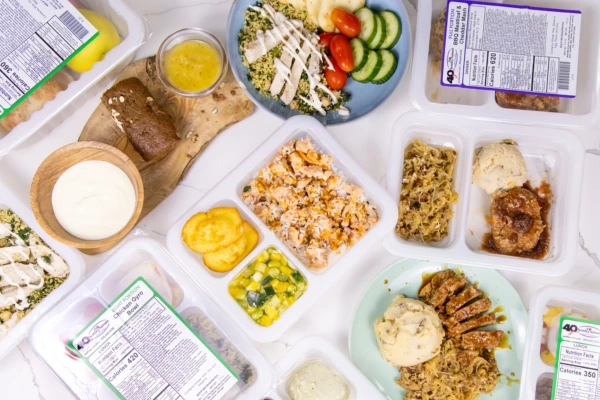


 Weight Loss
 Health & Wellness
 Diabetes
 Heart Health
 Motherhood & Family
 Dietary Restriction
 Other Health Conditions
 About SSHE
Learn More And Boost Your Well Being