




 Weight Loss
 Health & Wellness
 Diabetes
 Heart Health
 Motherhood & Family
 Dietary Restriction
 Other Health Conditions
 About SSHE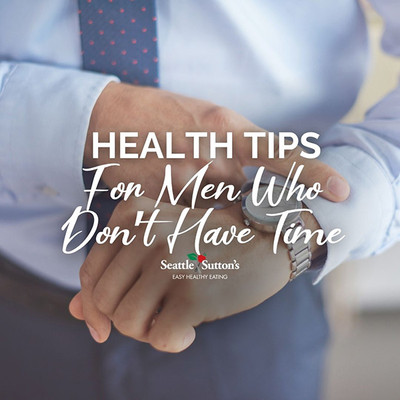

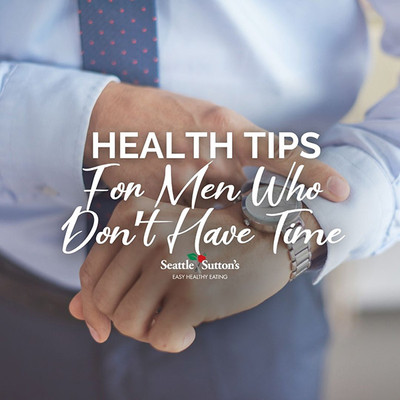
Men's Health Tips: 7 Simple Habits Busy Men Can Start Today
Between work, family responsibilities, packed schedules, and trying to squeeze in a little downtime, many men put their health on the back burner. However, improving your health doesn't require an extreme workout plan, restrictive diet, or completely changing your routine.
In fact, small habits often lead to the biggest long-term results, especially when they are realistic enough to stick with. This Men's Health Month, we're focusing on simple, practical habits that can support mental health, heart health, fitness, energy levels, and preventative care without adding more to your schedule.
Here are 7 realistic habits busy men can start today:
Tip 1: Take a short walk after meals
Instead of heading straight to the couch after dinner, try taking a 10-minute walk around the neighborhood. Walking after meals may help support blood sugar control, digestion, heart health, and weight loss. Plus, it's one of the easiest forms of movement to fit into a busy day. You can walk while catching up on the phone or your favorite podcast.
Myth vs Fact:
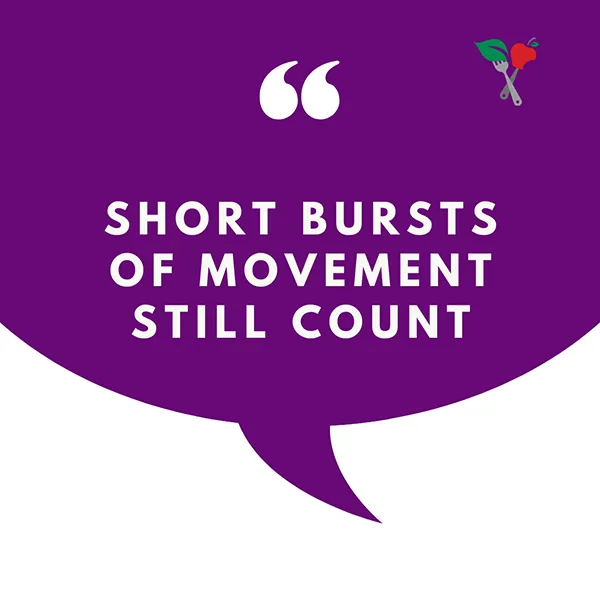
- Myth: You need 30-60 minutes of exercise for it to "count"
- Fact: Short bouts of movement throught the day still add up and provide wonderful health benefits
Tip 2: Upgrade your diet one meal at a time
Healthy eating becomes overwhelming when people think they need to eat perfectly. Instead, focus on improving just one meal each day.
Maybe breakfast becomes oatmeal with fruit and nuts instead of skipping it. Maybe lunch includes more protein and vegetables. Maybe dinner is more balanced and cooked at home rather than drive thru. At Seattle Sutton’s Healthy Eating, we believe that consistency matters more than perfection.
Myth vs Fact:
- Myth: Healthy Eating means giving up all of your favorite foods
- Fact: Sustainable nutrition is about balance, not restriction
Tip 3: Schedule health appointments like work meetings
Many man are excellent at keeping work appointments but not prioritizing their own preventative care. This month, consider scheduling:
- Your annual physical
- Blood pressure screening
- Cholesterol check
- Skin check
- Dental cleaning
- Mental health appointment, if needed
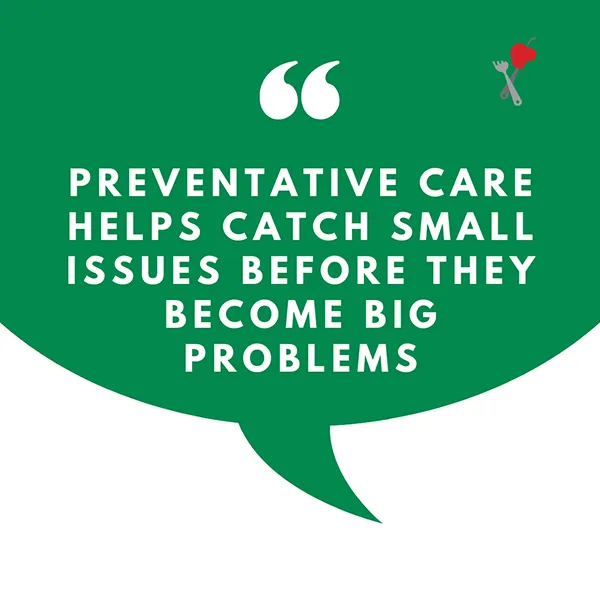
Preventative care helps identify concerns early and supports long-term wellness. Taking care of your health now can help prevent bigger issues later on.
Myth vs Fact:
- Myth: If you feel fine, you don't need to worry about your checkups
- Fact: Many health conditions (like high blood pressure or high cholesterol) can develop without any symptoms
Tip 4: Keep a healthy snack stash
Busy days happen to us all, and when hunger hits unexpectedly, being unprepared often leaves us grabbing whatever is closest and easiest.
Instead of relying on vending machines and fast food, keep a few quick, balanced snacks available at work, in the car, or at home.
Some ideas to keep handy:
- Nuts or trail mix
- Greek Yogurt
- Fruit with peanut butter
- Roasted edamame
- Hummus with whole grain crackers
Myth vs Fact:
- Myth: Snacking is "bad" and leads to weight gain
- Fact: Planned snacks can actually support energy, appetite control, and better food choices later in the day
Tip 5: Prioritize sleep like you prioritize everything else
Many men treat sleep as something that happens only after everything else is done. But sleep isn't just downtime. It plays a major role in energy, mood, metabolism, heart health, recovery, and focus.
When sleep consistency gets cut short, it can impact food cravings, stress levels, productivity, and even blood pressure over time.
Instead of trying to "fit sleep in," try treating it like any other important part of your day. Even small changes like going to bed 30 minutes earlier or creating a consistent wind-down routine can make a noticeable difference.
Myth vs Fact:
- Myth: You can make up for poor sleep by sleeping in on weekends
- Fact: Consistent sleep habits matter more than occasional catch-up sleep
Tip 6: Check in on your mental health
Mental health is a major part of overall wellness, but it’s often overlooked. Stress, burnout, poor sleep, and anxiety can affect energy levels, eating habits, exercise motivation, and more.
A simple habit: Once a day, pause and ask yourself:
- What is my stress level today?
- Did I get enough sleep?
- Have I taken a real break?
- Have I spent time outside?
- Have I connected with someone this week?
Sometimes small actions can make a big difference:
- Walking outside
- Getting more sleep
- Limiting screen time
- Talking with a friend
- Asking for help when needed
Myth vs Fact:
- Myth: Mental health is separate from physical health
- Fact: Mental health directly affects immunity, energy, heart health, sleep, and overall well-being
Tip 7: Focus on diet swaps, not extreme trends
Instead of chasing restrictive diets or extreme health trends, focus on simple, sustainable swaps that support long-term health.
Try:
- Swapping some red and processed meats (like bacon, sausage, and deli meats) for more fish, poultry, beans, or plant-based proteins
- Choosing water, sparkling water, or unsweetened beverages more often instead of alcohol or sugar-sweetened beverages
- Limiting alcohol overall, since regular or excessive intake can impact heart health, mental health, weight management, cancer risk, and more
- Being cautious with expensive or unnecessary supplements that promise quick fixes but often aren't needed if you're eating a balanced diet
Myth vs Fact:
- Myth: More supplements automatically mean better health
- Fact: Most nutrients are best absorbed from whole foods, and many people don't need high-cost supplements if their diet is well-balanced
Summing it up
Men's health isn't about perfection or chasing the latest trend. It's about building realistic habits that support energy, heart health, strength, mental well-being, and long-term wellness.
At Seattle Sutton's Healthy Eating, our goal is to make healthy eating simpler with balanced, portion-controlled meals designed by dietitians to support real life. Because taking care of your health should feel achievable, not overwhelming.