
The holidays are a time for celebration, food, and togetherness, but "too many cooks in the kitchen" and abundant feasts can be a recipe for diaster. It's no wonder why many people suffer bouts of illnesses during the holidays. With a little preparation and care, you can keep your meals, and your guests, safe while enjoying the season to the fullest.
Here are a simple tips from the Seattle Sutton's Healthy Eating dietitians to help you protect your food and stay healthy this holiday season.
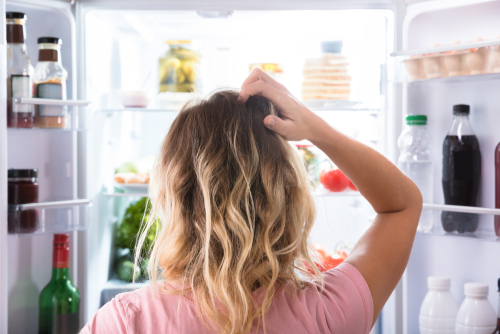
Refrigerate Food Promptly
Leftovers are tempting, but leaving food out too long is one of the biggest holiday food safety risks. Refrigerate leftovers within two hours of cooking to prevent bacterial growth.
During a big holiday meal it is tempting to linger around the table, but when food sits outs for more than two hours, the temperature can reach in the danger zone which is prime for bacterial growth.
Pro tips:
- Use shallow containers so food cools evenly
- Avoid overpacking the fridge - air circulation is key
- Store foods at the proper temparature to keep them safe for later
Wash Hands and Surfaces Often
Wash your hands thoroughly and often - before, during, and after food preparation. Simply washing hands is one of the easiest ways to minimize bacterial contamination and keep your food safe. Wash with hot water and soap, up to your wrists and between your fingers, for at least 20 seconds.
Also, clean cutting boards, countertops, and utensils frequently to avoid cross contamination.
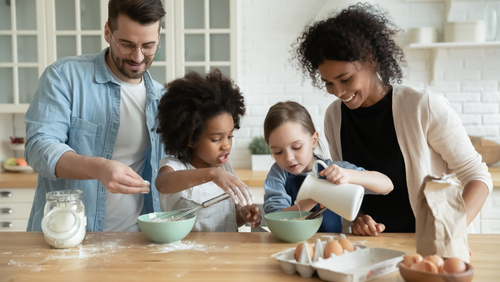
Prevent Guests from "Sampling" While Preparing
It may be the holiday seasons, but it is also cold and flu season! About half of all people have staph aureus bacteria on their fingertips, so it is important to prevent anyone from picking at the food while it is being prepared.
To reduce risk:
- Ask guests to avoid tasting food while it's being prepared
- Encourage hand washing before helping int he kitchen
- Keep serving utensils separate from hands-on tasting
A little caution goes a long way in keeping everyone health.
Reheat Leftovers Safely
Microwaving leftovers for a quick snack may seem fine, but bacteria can hide in unevenly heated food. Always reheat leftovers to 165 degrees. Most microwaves heat in an uneven manner, so let the covered food sit for a minute or two after microwaving for even heat distribution. Stir soups, casseroles, and sauces to ensure all parts reach the safe temperature. This ensures your meals are safe to enjoy, even days after the feast.
Enjoy Your Leftovers
Holiday leftovers can be a lifesaver for busy days, but food safety needs to be top of mind. By following these simple steps you'd protect your health and enjoy your favorite dishes for days to come. Remember, when it comes to your food and your health, you can never be too cautious.

Start Your Healthy Journey Today!
Order Now


 Weight Loss
 Health & Wellness
 Diabetes
 Heart Health
 Motherhood & Family
 Dietary Restriction
 Other Health Conditions
 About SSHE
Learn More And Boost Your Well Being