


 Weight Loss
 Health & Wellness
 Diabetes
 Heart Health
 Motherhood & Family
 Dietary Restriction
 Other Health Conditions
 About SSHE

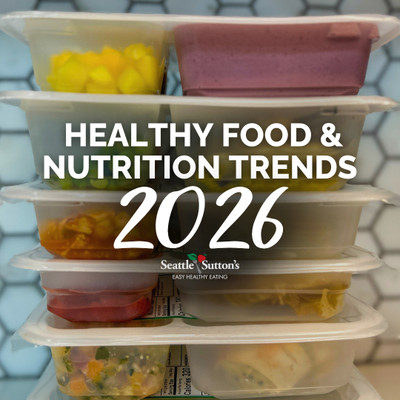
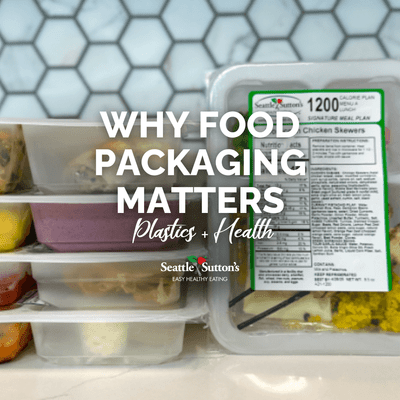
Why Food Packaging Matters: Understanding Plastics, Health, and Safer Choices
As awareness grows around plastics, chemical exposure, and long-term health, many customers want to better understand the containers their food comes in. This blog addresses the most common questions and concerns about plastic packaging, explains why Seattle Sutton's Healthy Eating uses clear polypropylene containers, and how our choices support heart health, hormone health, and environmental responsibility.
Why Packaging Matters for Your Health
Food packaging isn't just about convenience; it's about your health too. Research has shown that certain chemicals used in some plastics can migrate into food, especially when exposed to heat.
Some of these chemicals, including phthalates, has been associated in scientific studies with:
- Increased inflammation and cardiovascular risk
- Disruption of testosterone and other hormones
- Potential impacts on fertility and reproductive health
Because nutrition and health are at the core of everything we do, packaging safety is not an afterthought, it's a priority.
According to WebMD, polypropylene does not contain phthalates, the chemicals often added to plastics like PVC to make them flexible. Polypropylene is a stable plastic and is considered safe for food contact by the FDA and EPA. There's no evidence showing a direct link between polypropylene itself and cancer in humans.
In contrast, phthalates, which can act as endocrine disruptors, have been associated with negative effects on reproductive health and has been linked to heart disease in some populations. These chemicals are found in a wide range of consumer products, including some plastics, personal care items, and household materials.
Heart Health, Testosterone, & Hormone Balance
Phthalates are often added in PVC (#3) plastics. This research has linked certain phthalates to systemic inflammation, a known contributor to cardiovascular disease. Higher phthalate exposure has also been associated with an increased risk of heart disease and overall mortality in adults, including a possible connection to cardiovascular-related death.
As endocrine disruptors, phthalates may interfere with testosterone and reproductive function. Studies suggest that chronic exposure over time may be associated with lower testosterone levels, altered sperm quality, and fertility changes in both men and women.
Testosterone, in both men and women, plays an important role in heart health, muscle maintenance, energy levels, metabolic health, fertility and reproductive health. Lower testosterone levels have been associated with increased cardiovascular risk and fertility challenges. While diet and lifestyle play major roles, reducing unnecessary chemical exposure is one practical step toward protecting long-term health.
Why Our Plastic Containers Are Safe
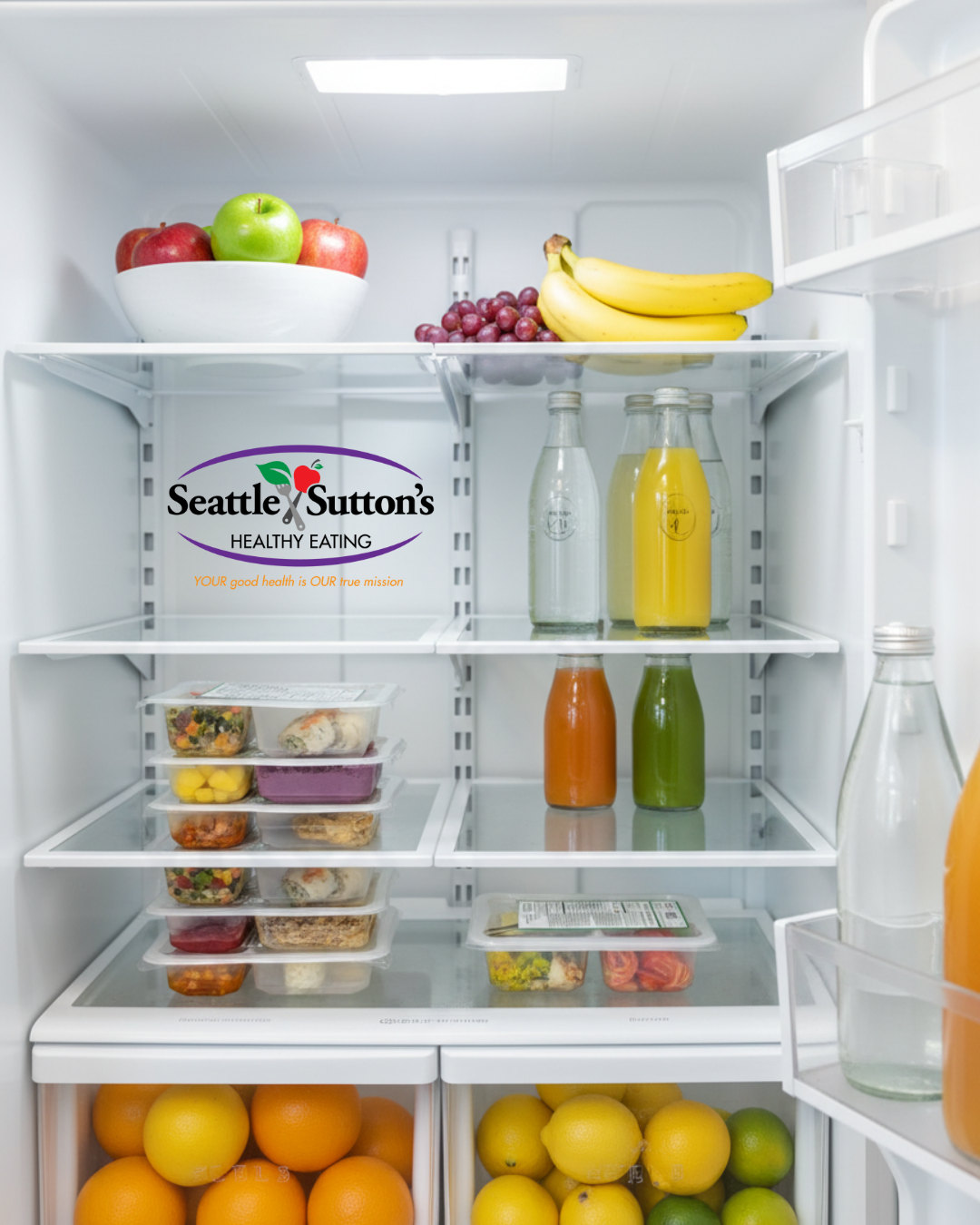
Seattle Sutton's Healthy Eating uses clear polypropylene containers (recycling code #5), a material widely recognized for food safety.
Polypropylene does not contain phthalates and is a better choice than plastics that require additives like phthalates or BPA to function, making is a safer choice.
What Makes Polypropylene Different
- No phthalates required - naturally stable and durable
- Stable under normal food storage and reheating conditions
- Commonly used for food storage and medical applications
What Our Containers Do Not Contain
Harmful elements you won't find in Seattle Sutton's meal containers:
- Phthalates
- BPA or BPS
- PFAS
- Proposition 65-listed chemicals
- GMOs or animal-derived products
All materials comply with FDA food-contact regulations and Good Manufacturing Practices.
Why We Use Clear Containers (and Not Black Ones)
Many meal delivery companies still use black plastic containers. And while they may look sleek, they come with downsides:
- Black plastics are often difficult or impossible to recycle due to carbon pigments
- Customers can't easily see food quality or freshness
- They are more commonly made from mixed or recycled plastics that are harder to trace
We intentionally choose clear containers so you can:
- See your food clearly
- Reduce food waste
- Recycle more easily
- Feed confident about what your food is packaged in
Transparency, literally and figuratively, matters to us.

Why We Recommend Plating Before Microwaving
Even though our containers are microwave safe, we still recommend transferring your meal to a plate before reheating when possible.
- Plates allow for more even heating and better texture
- Plating helps you visually access portions, supporting learning appropriate portion sizes for weight management
- Food tends to look more appealing when plated, encouraging a more intentional experience
- Removing food from the container prevents accidently heating items meant to be eaten cold
- It aligns with best practices for reducing overall plastic exposure
We understand that convenience matters, and reheating in the container is safe when needed. But when you have the option, plating your meal first is a simple extra step that supports long-term health.
What Our Customers are Saying
“I appreciate that Seattle Sutton’s actually explains their packaging choices. The clear containers feel safer and more intentional than what I’ve seen from other companies.”
“Knowing the trays don’t contain phthalates or PFAS gives me peace of mind — especially since I eat these meals regularly.”
“I love being able to see my meals and recycle the containers easily. It’s one less thing to worry about.”
Quick Plastic Safety Checklist
☐ Transfer food to glass or ceramic before reheating when possible
☐ Choose food containers labeled #5 (polypropylene)
☐ Avoid food storage in PVC (#3) plastics
☐ Don’t reuse disposable takeout containers long-term
☐ Replace scratched or worn plastic containers
☐ Reduce plastic use where it’s simple and realistic
Small, informed choices add up and when paired with nourishing food, they support long-term health and peace of mind.
Seattle Sutton's Promise to You
At Seattle Sutton's Healthy Eating, packaging is never chosen to looks alone. Every decision is guided by:
- Nutrition Science
- Food Safety
- Long-term Health Considerations
- Environmental Responsibility
We'll continue to evaluate new research, listen to customer feedback, and improve wherever we can, because nourishing food deserves thought packaging.