


 Weight Loss
 Health & Wellness
 Diabetes
 Heart Health
 Motherhood & Family
 Dietary Restriction
 Other Health Conditions
 About SSHE


IBD Diet TIps: How to Eat with Crohn's and Ulcerative Colitis
Living with inflammatory bowel disease (IBD), including ulcerative colitis and Crohn's disease, can make eating feel complicated. Foods that feel fine one day may not feel good the next, and during flares, even preparing meals can feel overwhelming.
While there is no one-size-fits-all diet for IBD, research continues to show that overall eating patterns may play a role in supporting gut health, managing symptoms, and improving quality of life.
At Seattle Sutton's Healthy Eating, we believe healthy eating should feel supportive, realistic, and sustainable, especially for individuals managing chronic conditions like IBD.
Tip 1: Overcome Food Fear and Expand Your Diet
Many people with IBD begin avoiding more and more food over time out of fear of triggering symptoms. But newer nutrition guidance is shifting away from highly restrictive eating patterns and instead focusing on adding more nourishing foods into the diet.
Rather than focusing only on what to avoid, many experts now encourage:
- More fruits and vegetables
- More variety
- More whole-food ingredients
- More balanced meals
- More consistency
The goal isn't perfection. It's finding a flexible way of eating that works for your body.
If certain foods don't feel well tolerated, preparation can make a big difference. For example:
- Cooked vegetables may feel easier to diget than raw
- Smoothies may work better than lots of raw produce and salads
- Nut butters may be better tolerated than whole nuts
- Smaller portions introduced gradually may help your body adapt

Tip 2: Take a Plant-Forward Approach to Gut Health
Research suggests that individuals with IBD who regularly consume fruits and vegetables may experience fewer flares compared to those who avoid them altogether.
The IBD food guide encourages a colorful variety of foods like:
- Bananas
- Berries
- Apples
- Squash
- Carrots
- Leafy greens
- Beets
- Avocados
For many individuals, cooked, roasted, blended or pureed produce may be easier to tolerate while still providing important nutrients and fiber.
Seattle Sutton's Healthy Eating meals naturally incorporate a variety of vegetables, fruits, and plant-based ingredients throughout the week, helping support variety without requiring extensive meal prep or planning.
Tip 3: Support the Gut Microbiome with Probiotic Foods
The gut microbiome, the collection of beneficial bacteria living in the digestive tract, is another important focus in IBD research. An imbalance in gut bacteria may contribute to inflammation and digestive symptoms, which is why many experts are now looking at ways nutrition may help support a healthier gut environment.
Some research suggests probiotics may help support symptom management in ulcerative colitis by:
- Supporting beneficial gut bacteria
- Reducing "bad" bacteria
- Supporting the protective mucus layer of the intestine
- Helping regulate inflammation
Probiotic-rich foods may include:
- Yogurt with live active cultures
- Kefir
- Fermented vegetables
- Miso
- Tempeh
Some individuals with ulcerative colitis or Crohn's disease may also be sensitive to lactose, particularly during flares. Foods like milk, ice cream, cream, and custards may contribute to bloating, gas, cramping, or digestive discomfort for some people.
However, not all dairy foods contain the same amount of lactose. Yogurt with live and active culture may sometimes be better tolerated because it contains probiotics and is naturally much lower in lactose. Certain natural cheeses, including Cheddar, Colby, Monterey Jack, Mozzarella, and Swiss, also contain very minimal amounts of lactose. For example, 1.5 ounces of these cheeses contains less than 1 gram of lactose, compared to approximately 12 grams in 8 ounces of milk.
In addition to probiotics, foods rich in resistant starch help nourish the beneficial bacteria already present in the gut. Some ideas to add resistant starch to your diet include:
- Cooked and cooled potatoes and rice
- Plantains and green bananas
- Beans, peas, and lentils (cooked then cooled)
- Whole grains including oats and barley (lose their resisitant starch when cooked, try overnight oats)
Tip 4: Limit Highly Processed Foods, Artificial Sweeteners and Red Meat
Another growing area of IBD research focuses on limiting certain processed ingredients that may negatively affect gut health in some individuals.
Some people with IBD report worsening symptoms with:
- Artificial sweeteners
- Sugar alcohols
- Highly processed foods
- Excess saturated fat
- Red and processed meats
Sugar alcohols and artificial sweeteners such as sorbitol, mannitol, sucralose, and aspartame may contribute to bloating, gas, or digestive discomfort for some individuals.

One thing that makes Seattle Sutton's Healthy eating unique is that all our meals are free from artificial sweeteners and sugar alcohols. Instead, our meals focus on balanced nutrition built from real ingredients.
In addition, all Seattle Sutton's dietitian-designed meal plans are free from red meat, while our Choose Your Own Meals plan contains only limited red meat options. This approach aligns with current recommendations encouraging lower intake of processed and red meats as part of an overall gut-supportive eating pattern.
Tip 5: Soothe Inflammation with Protein and Healthy Fats
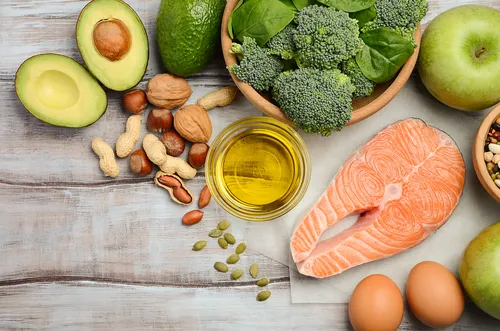
Protein needs may increase during active inflammation or recovery from flares. The IBD diet encourages a variety of protein sources including:
- Fish rich in omega-3 fats
- Poultry (chicken and turkey)
- Eggs
- Tofu
- Legumes
- Nuts and seeds or their butters
Healthy fats, particularly omega 3 fats and olive oil, may also support a healthy inflammatory response.
Tip 6: Simplify Meals during Flare-Ups
During periods of increased symptoms, many individuals benefit from temporarily focusing on:
- Softer foods
- Well-cooked vegetables
- Smaller, more frequent meals
- Lower fiber
- Simple preparations
This doesn't mean nutritious foods need to be avoided forever. Often, it's about adjusting texture and preparation while symptoms calm down.
Tip 7: Support IBD with Balanced Nutrition
Managing IBD can already feel physically and emotionally exhausting. Nutrition should help support your health, not add more stress to your day.
At Seattle Sutton's Healthy Eating, our goal is to make balanced eating more convenient and approachable by providing meals built around nutrition, variety, and balance.
Because healthy eating doesn't have to be all-or-nothing.