Summer gatherings are in full swing. While these gatherings are filled with fun, they can also make it challenging to stick to healthy eating habits. Between oversized portions, sugary drinks, and tempting desserts, it's easy for extra calories to sneak into your day.
If you are trying to stay on a healthy eating plan for a health condition, weight management, or just for your health, you don't have to give up your favorite summer foods to stay on track. A few simple strategies can help you enjoy everything the season has to offer while supporting your goals.
At Seattle Sutton's Healthy Eating, our registered dietitians believe that healthy eating is all about balance. Here's how to make smarter summer food and beverage choices during the hot, long days.
Stay Hydrated This Summer
Hot weather, outdoor activities, and sweating increase your body's need for fluid. Even mild dehydration can leave you feeling tired, sluggish, and sometimes even mistaken for hunger, making it easier to overeat.
While water is always your best choice, there are plenty of refreshing beverages that can help you stay hydrated without adding excess sugar or calories.
Drinks to Limit
Sugary Drinks
Regular soda, sweet tea, lemonade, fruit punches, and many fruit drinks can pack a surprising amount of added sugar into just one serving. These beverages provide calories without keeping you full, making it easy to consume more energy than your body needs.
Instead, satisfy your thirst with naturally flavored water, sparkling water, or unsweetened tea.
Energy Drinks
Many energy drinks contain large amounts of caffeine and added sugar. While they may provide a temporary boost, they can also contribute to dehydration, increased heart rate and poor sleep - all of which can affect your overall health.
If you need an afternood pick-me-up, consider a glass of unsweetened tea or coffee instead.
Alcohol
Summer celebrations often include alcoholic beverages, but alcohol can contribute extra calories while making it harder to stay hydrated.
If you choose to drink alcohol, enjoy it moderation. The American Heart Association recommends no more than 1-drink per day for women and 2-drinks per day for men.
Alternate alcoholic beverages with water or sparkling water to help stay hydrated, especially on hot days.
A 12-ounce beer has 150 calories, a 3.5-ounce glass of wine has 85, and a margarita packs an even bigger caloric punch at a whopping 680 calories for 12-ounces. Even worse offenders are creamy cocktails, such as brandy alexanders and mudslides – equivalent to drinking a rich dessert, making it easy to gain weight without realizing it over the summer.

Refreshing Summer Drinks We Love
Infused Water
Fresh fruit, herbs, and vegetables naturally flavor water without adding sugar. Try combinations like:
- Strawberry + lemon + mint
- Cucumber + lime
- Watermelon + basil
- Orange + blueberry
- Peach + rosemary
These refreshing combinations make drinking water much more enjoyable during hot summer days.
Sparkling Water
Sparkling water offers the fizz many people crave without the added sugars found in soda. Choose varieties made with carbonated water and natural flavors, and check the ingredient lists to avoid added sugars and artificial sweeteners.
For a fun mocktail, combine sparkling wtaer with fresh berries, citrus slices, and mint.
Unsweetened Iced Tea
Few beverages say "summer" quite like iced tea. Brew your favorite black, green or herbal tea and serve it over ice with fresh lemon, peaches, or berries for natural flavor without added sugar.
Water Is Still the Winner
Water remains one of the healthiest beverages you can choose. Your hydration needs vary based on your age, activity level, health, and the weather, so rather than aiming for a specific number of glasses, pay attention to your body's thirst and the color of your urine. Pale yellow urine is generally a sign you're well hydrated.
Keep a reusable water bottle nearby, especially if you're spending time outdoors.
Building a Healthier BBQ Plate
Backyard barbecues don't have to derail your healthy eating goals. In fact, many summer cookouts offer plenty of nutritious option - you simply need a game plan.
Follow the Healthy Plate Method
A simple way to build a balanced meal is to follow the Healthy Plate Method by portioning:
- Half your plate with vegetables and fruit
- One-quarter with lean protein
- One-quarter with whole grains or other high-fiber carbohydrates
This naturally helps manage portions while providing satisfying fiber, protein, vitamins, and minerals.
Don't Arrive Hungry
Skipping meals to "save calories" often backfires. When you're overly hungry, you're more likely to overeat appetizers, chips, desserts, and larger portions.
Instead, eat a balanced meal or a snack before heading to your event. Pair protein with fiber to stay satisfied, such as:
- Greek yogurt with berries
- Apple slides with peanut butter
- Cottage cheese and fruit
- Whole grain crackers with hummus
Bring a Healthy Dish
One of the easiest ways to eat well at a cookout is to contribute something nutritious.
Great options include:
- Fresh fruit salad
- Grilled vegetable skewers
- Quinoa salad with vegetables
- Watermelon, feta, and mint salad
- Black bean and corn salad
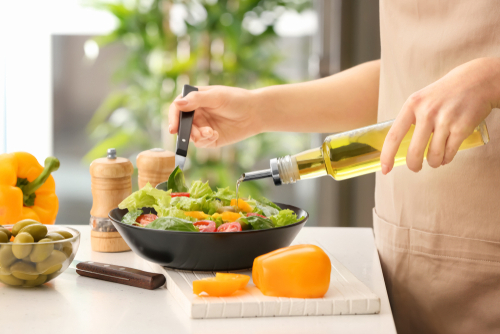
- Colorful mixed greens with a light vinaigrette
Not only will you know there's something healthy available, but your host and fellow guests will likely appreciate the lighter option, too.
Choose Lean Proteins
The grill doesn't have to be limited to burgers and hot dogs. Healthier protein options include:
- Grilled chicken breast
- Turkey burgers
- Fish or shrimp
- Pork tenderloin
- Lean beef in moderate portions
- Veggie burgers
- Plant-based kabobs with tofu
Add plenty of grilled vegetables like zucchini, peppers, mushrooms, asparagus, or corn to boost flavor, fiber, and nutrition.
BBQ Sauce Tips
Many store-bought sauces are surprisingly high in added sugar, often from ingredients like high fructose corn syrup or concentrated sweeteners. Vinegar-based sauces are often a lighter option, offering bold flavor with less added sugar and fewer calories.
Tomato-based sauces usually start with ketchup or tomato paste and then are sweetened with brown sugar, molasses, or similar ingredients. While flavorful and familiar, they can add up quickly in both sugar and sodium.
Tip: use BBQ sauce as a flavor accent, not a main ingredient. Try brushing it lightly or serving it on the side for better portion control.
Select Healthier Side Dishes
Side dishes are often where cookouts shift from balance to calorie-dense. Focus on filling most of your plate with fruits, vegetables, and fiber-rich options that support fullness and steady energy. Such as:
- Fresh fruit salads
- Leafy green salads
- Grilled vegetables like zucchini, peppers, asparagus, and corn
Baked beans are also a smart choice, offering plant-based protein and fiber that help support fullness and steady energy.
Traditional potato salad made with mayonnaise-based dressings can be higher in calories and saturated fat. A lighter alternative is roasted vegetables or bean-based salads with simple vinaigrettes.
For cole slaw, vinegar-based versions are typically lower in calories than creamy recipes while still offering crunch and flavor.
Simple, Sweet Summer Desserts
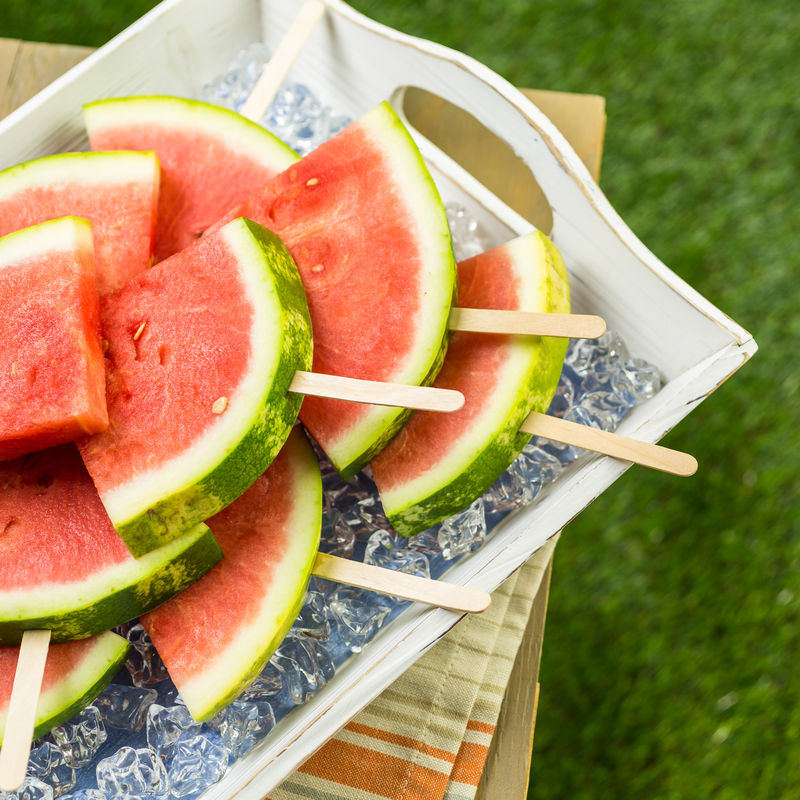
Fruit-based desserts are a naturally lighter way to end a meal while still satisfying a sweet craving without the guilt over the summer. Fresh berries, melon, or fruit salads offer fiber, hydration, and natural sweetness.
For a more indulgent option, dark chocolate-covered strawberries provide antioxidants along with a balance of fruit, fiber, and a small amount of added richness. The key is portion awareness, not elimination.
Food Safety Tips for Outdoor Cookouts
Food safety is especially important during warm-weather gatherings. Perishable foods such as meats, dairy-based salads, and cooked dishes should not sit out for more than 2 hours (or 1 hour if temperatures exceed 90 degrees F).
To reduce risk:
- Keep cold foods cold and hot foods hot
- Avoid cross contamination by using separate utensils for raw and cooked foods
- Keep foods covered to protect from insects and outdoor exposure
- Cook meats to recommended internal temperatures
A few simple precautions can help ensure your summer meals are both safe and enjoyable.
Portion Control Strategies at Cookouts
Cookouts often include a wide variety of foods, making portion awareness especially helpful. Try using the Healthy Plate Method we discussed above. Other helpful strategies include:
- Starting with smaller portions and going back only if still hungry
- Using smaller plates to naturally moderate how much you eat
- Choosing foods you truly enjoy rather than sampling everything
Focus on Balance, Not Restriction
Healthy eating in the summer is about consistency over time. One meal or day of indulgence does not undo long-term habits. Returning to your usual routine at the next meals is often the most effective approach.
Seasonal produce and lighter meals also makes it easier to maintain balance without feeling restricted.
A Smarter Way to Enjoy Summer
Summer is meant to be enjoyed, not overthought. With a few simple choices like balancing your plate, being mindful of portions, and choosing nutrient-dense foods most of the time, you can enjoy cookouts and gatherings while still supporting your health goals.
Seattle Sutton’s Healthy Eating helps take the pressure off daily decisions with ready-to-go, portion-controlled meals designed by dietitians. That means more freedom to enjoy summer moments, without starting over on your nutrition goals afterward.

Start Your Healthy Journey Today!
Order Now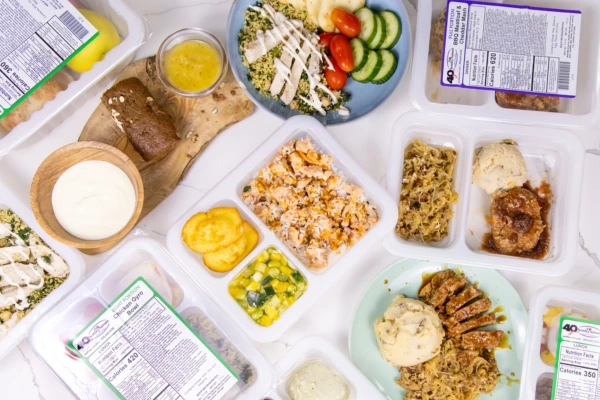


 Weight Loss
 Health & Wellness
 Diabetes
 Heart Health
 Motherhood & Family
 Dietary Restriction
 Other Health Conditions
 About SSHE
Learn More And Boost Your Well Being