






 Weight Loss
 Health & Wellness
 Diabetes
 Heart Health
 Motherhood & Family
 Dietary Restriction
 Other Health Conditions
 About SSHE



What is the Diverticulosis Diet?
Managing your diet with diverticular disease can be challenging and confusing, especially with how much nutrition advice has changed over the years. With 58% of Americans over the age of 60 (and nearly everyone over 80 years old) living with diverticulosis, it's time to clear up the myths and highlight what actually helps.
Understanding Diverticulosis and Diverticulitis
Diverticulosis occurs when small pouches, or diverticula, form in the lining of the colon. Many people don't experience any symptoms and may not know they have the condition unless those pouches become inflamed or infected. This is a painful condition known as diverticulitis.
While the exact cause isn't completely understood, research shows that a low-fiber diet plays a major role. Without enough fiber, the colon must work harder, increasing pressure on its walls and potentially contributingn to the formation of diverticula. Staying active, drinking enough fluids, and prioritizing fiber are foundational steps in supporting a healthy, regular digestive system.
High Fiber Eating for Prevention and Everyday Health
A diet rich in fiber helps soften the stool, reduce pressure in the colon, promote regularity, and may help prevent diverticulitis flare-ups. Great high-fiber choices include:
- Fresh fruits and vegetables
- Whole grains
- Beans and lentils
- Nuts and seeds
- Fiber-rich cereals
The Academy of Nutrition and Dietetics recommends 25-35 grams of fiber per day. Increasing fiber gradually and pairing it with adequate hydartion helps prevent gas and bloating.
However, during a diverticulitis flare, things change. Doctors often recommend a short-term low fiber or clear-liquid diet to allow the digestive system to rest. Once symptoms improve, gradually transition back to a high-fiber diet as tolerated.
The Latest Nutrition Recommendations: Goodbye to Old Myths
For decades, people with diverticulosis were told to avoid:
- Nuts
- Seeds
- Berries
- Corn
- Popcorn
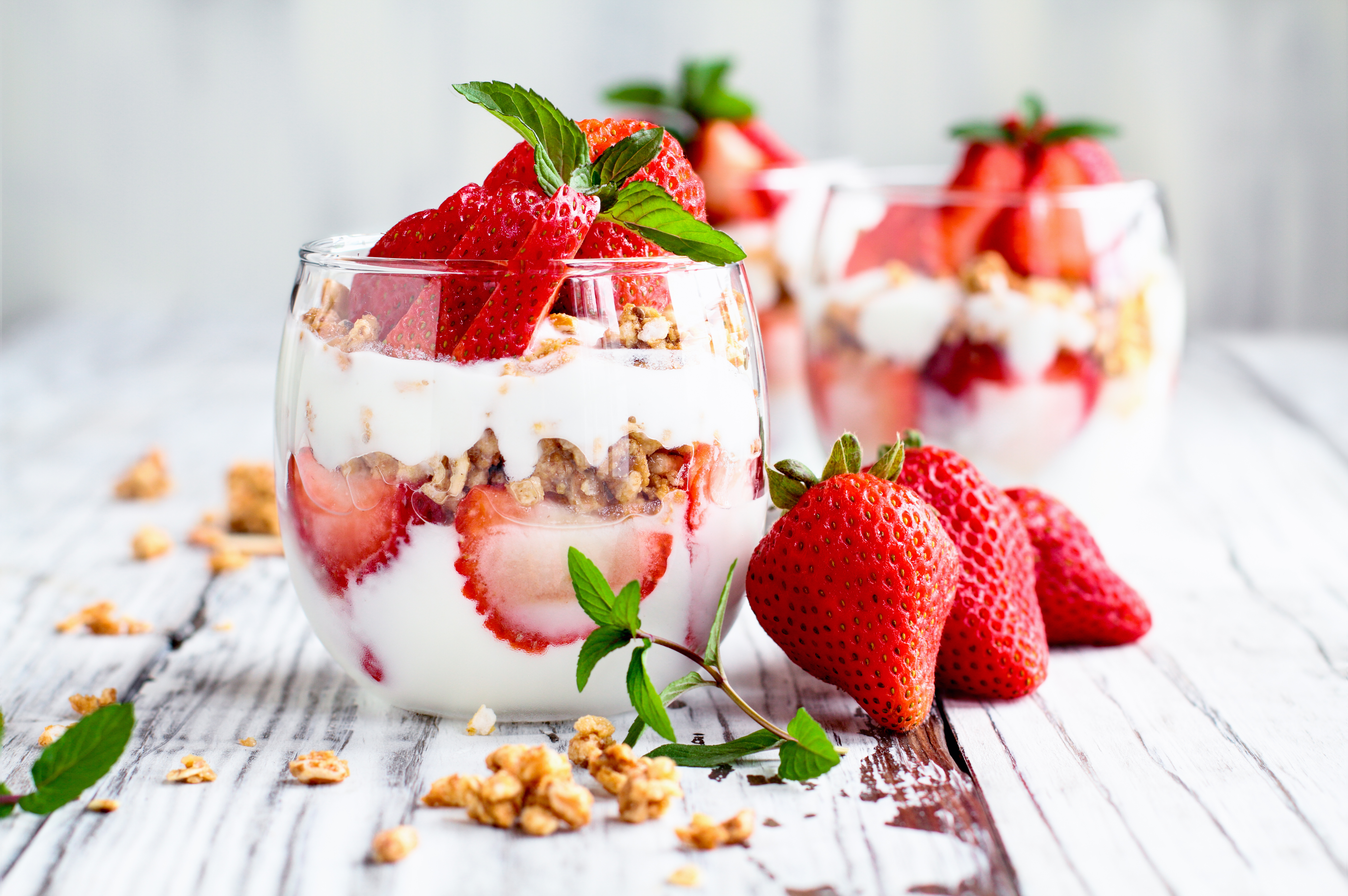
The concern was that small particles might "get stuck" in diverticula and trigger diverticulitis. We now know this is not true. Modern studies show that these foods do not increase flare-ups and can be safely enjoyed when you're not experiencing inflammation.
In fact, seeds, nuts, whole grains, and berries contribute beneficial fiber and nutrients. The best approach? Eat a balanced, high-fiber diet and listen to your body. Because everyone's tolerance is different, consider keeping a food journal to identify any patterns between foods and symptoms.
The Role of Gut-Friendly Probiotics
Emerging research suggests that probiotics may help improve symptoms of diverticular disease and may play a role in preventing flare-ups. Probiotics help support a balanced gut microbiome, which contributes to digestive health.
You can find probiotics in:
- Yogurt or kefir with live cultures
- Fermented foods like sauerkraut, kmimchi, and kombucha
- High-quality probiotic supplements
Bringing Diverticular Nutrition Into the Modern Age
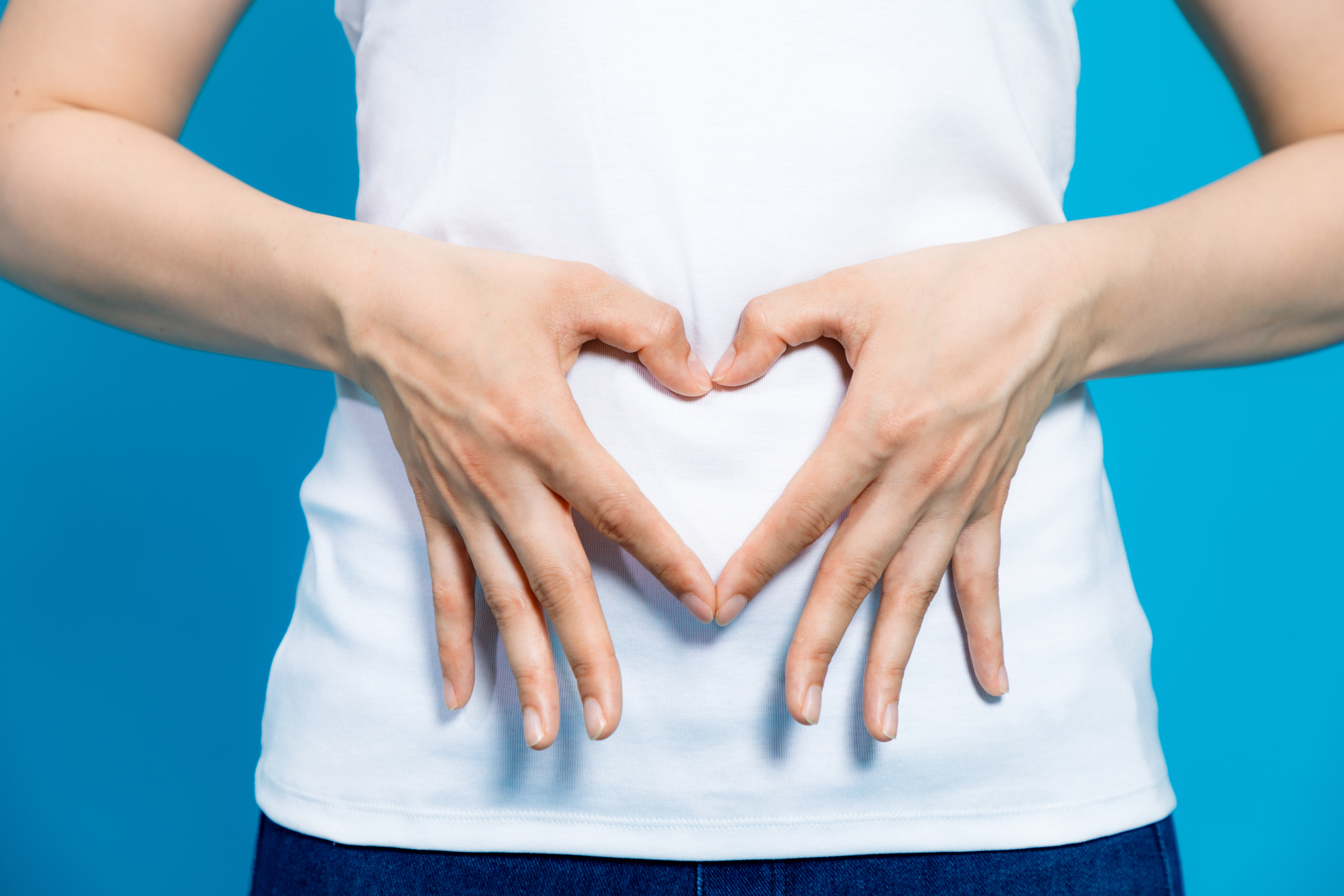
It's time to leave behind outdated restrictions and embrace a nutrient-rich, fiber-forward way of eating. Including foods like berries, nuts, whole grains, and seeds can make meals more enjoyable and more supportive of colon health.
At Seattle Sutton's Healthy Eating, our meals naturally provide nearly double the fiber of the typical American diet making it easier than ever to nourish your digestive system without the guesswork. If you're looking for simple, delicious, and convenient support in managing diverticulosis, our meal plans can help keep your nutrition on track.