
Many people find it hard to maintain consistent habits around physical activity, nourishing meals, and alcohol intake. But the updated cancer-prevention guidelines offer new motivation and clear, evidence-based direction on how everyday choices can meaningfully support long-term health.
The American Cancer Society regularly reviews emerging research and updates its cancer prevention recommendations to reflect the strongest available science. Their most recent guidance reinforces something we have long emphasized: lifestyle patterns, not quick fixes or trendy diets, play a powerful role in reducing cancer risk.
With cancer remaining the second leading cause of death in the United States, understanding these recommendations matters. Research suggests that healthy lifestyle changes can reduce cancer risk by at least 18% and cancer-related deaths by 16%. After not smoking, diet and physical activity are the most impactful behaviors within your control.
Since the 1980s, leading health organizations have consistently focused on the same core areas for cancer prevention:
-
Nutrition
-
Physical activity
-
Weight management
-
Alcohol intake
What’s changed is how clearly the science now supports a whole-pattern approach. No supplement, superfood, or detox replaces the benefits of consistent, balanced habits over time.

Let’s walk through the guidelines, one by one, and translate them into realistic, doable steps.
1. Aim for a Healthy Body Weight
Nearly 40% of U.S. adults live with obesity, and excess body weight is linked to a meaningful share of cancer diagnoses, second only to smoking as a controllable risk factor.
That said, the goal is not perfection or rapid weight loss. The guidelines emphasize:
-
Preventing gradual weight gain in adulthood
-
Supporting small, sustainable changes
-
Recognizing that even modest weight loss can improve health markers
From a dietitian’s perspective, weight is best addressed as a byproduct of healthy habits, not the sole focus. Regular movement, balanced meals, adequate fiber, and consistency matter far more than the number on the scale.
2. Move More and Sit Less
Updated guidelines now recommend:
-
150–300 minutes of moderate-intensity activity per week, or
-
75–150 minutes of vigorous activity, with more offering added benefit
Children and adolescents should aim for at least 60 minutes of activity daily.
Equally important: limiting sedentary time. Long stretches of sitting, especially when paired with minimal movement, are linked to higher cancer risk.
? Dietitian tip: Movement doesn’t need to be structured exercise. Walking, gardening, stretching, dancing, and household tasks all count. The best activity is the one you’ll actually keep doing.
3. Build Meals Around Whole, Plant-Forward Foods
The newest guidelines are especially clear about dietary patterns that support lower cancer risk.
Instead of focusing on what to eliminate, they emphasize what to include more often:
-
Fruits (especially whole fruits, not juice)
-
A wide variety of vegetables, eat the rainbow
-
High-fiber, minimally processed foods
Research consistently links plant-forward diets with lower risk of cancers such as colorectal and postmenopausal breast cancer. These benefits come from whole foods, not antioxidant supplements.
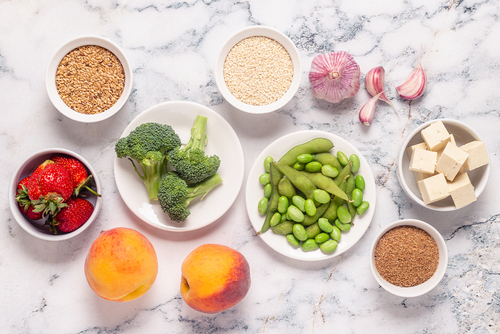
Foods to limit, not necessarily eliminate:
-
Red and processed meats (bacon, sausage, hot dogs, lunch meats)
-
Sugar-sweetened beverages
-
Highly processed foods and refined grains
? Dietitian tip: Progress matters more than perfection. Start by adding one extra vegetable per day or swapping refined grains for whole grains a few times a week.
4. Alcohol: Less Is Better
Earlier guidance suggested moderation. Newer evidence shows that any amount of alcohol increases cancer risk, particularly for breast cancer.
The updated recommendation says:
-
It’s best not to drink alcohol
-
If you do drink, keep intake within previous limits (≤1 drink/day for women, ≤2 for men)
Alcohol is now recognized as the third leading modifiable cancer risk factor, after smoking and excess body weight.
Common Questions, Answered by Dietitians
Coffee:
Moderate-temperature coffee may offer protective benefits for some cancers. Avoid drinking beverages that are very hot.
Gluten-Free Diets:
Unless medically necessary, gluten-free eating does not lower cancer risk. Whole grains, including gluten-containing grains, are associated with reduced colorectal cancer risk.
Juice Cleanses:
No evidence supports detox claims. Juicing often increases sugar intake while missing fiber and protein.
Sugar & Added Sugars:
High-sugar diets can promote weight gain, inflammation, and insulin dysregulation. Limiting sugary drinks and sweets supports cancer prevention and overall health.

Organic Foods:
Organic choices may reduce pesticide exposure, but eating enough fruits and vegetables, organic or not, is far more important.
Soy Foods:
Whole soy foods appear safe and may be beneficial. Supplements should be used cautiously.
Sugar Substitutes:
Non-nutritive sweeteners appear safe in moderation, though whole-food approaches are preferred.
The Bottom Line from Seattle Sutton’s Healthy Eating Dietitians
These updated guidelines don’t call for restriction, fear, or drastic change. They reinforce what truly works:
-
Balanced, nourishing meals
-
Regular movement
-
Mindful alcohol choices
-
Sustainable habits over time
At Seattle Sutton’s Healthy Eating, our meals are designed around these exact principles—supporting health through consistency, balance, and evidence-based nutrition, not extremes.
You don’t have to do everything at once. One small change can lead to another and over time, those choices add up to meaningful protection for your health.

Start Your Healthy Journey Today!
Order Now


 Weight Loss
 Health & Wellness
 Diabetes
 Heart Health
 Motherhood & Family
 Dietary Restriction
 Other Health Conditions
 About SSHE
Learn More And Boost Your Well Being