
For many of us, we have a love/hate relationship with coffee. But if you're trying to lose weight, you may have wondered: Does coffee actually help with weight loss, or could it be getting in the way?
The answer isn't quite as simple as "coffee helps you lose weight" or "coffee is bad for your waistline." As dietitians, we look at the bigger picture. The coffee itself is rarely the problem. It's what we add to it, how much caffeine we're consuming, and how coffee fits into the rest of our daily habits that can make a difference.
So, Can Coffee Help You Lose Weight?
Coffee contains caffeine, a stimulant that can temporarily increase alertness and may have modest effects on energy expenditure and appetite. Some research has suggested that caffeine may be associated with small changes in body weight. However, more recent research looking specifically at randomized trials found that coffee itself did not produce a meaningful weight-loss effect.
In other words, coffee isn't a weight-loss strategy. But that doesn't mean you need to give it up either. If you enjoy coffee, it can absolutely fit into a healthy eating pattern. The key is to think about how you're drinking it and what role it plays in your day.
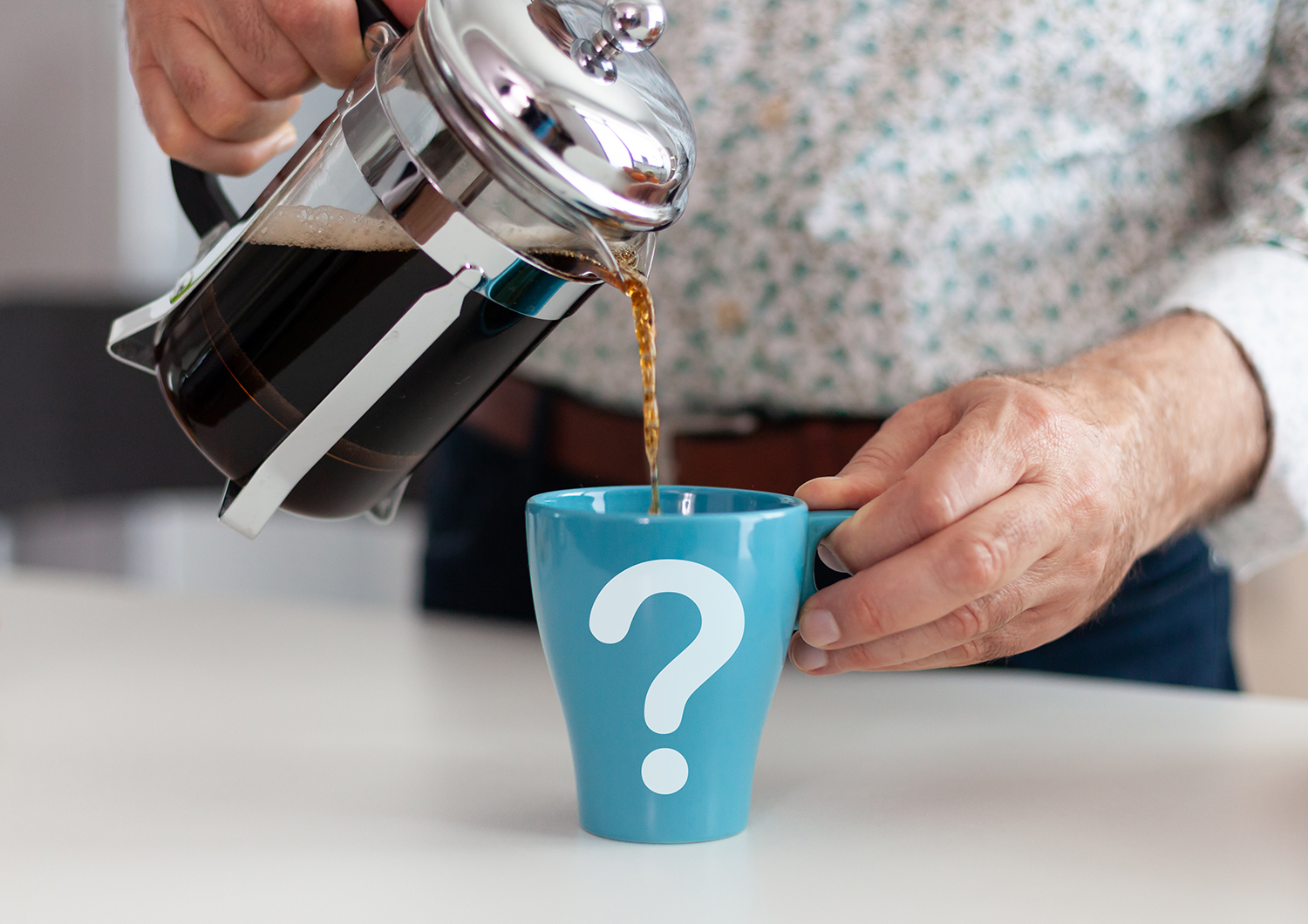
Your Coffee Order May Matter More Than Your Coffee
Coffee can become a sneaky source of extra calories. A plain cup of brewed coffee contains very few calories. But once you add flavored creamers, syrups, sugar, whipped cream, or large amounts of milk, your morning drink can start looking more like a dessert. And those calories can add up quickly when you're drinking multiple cups a day.
You don't have to drink your coffee black if you don't like it. Instead, try making small changes:
- Use a measured amount of your favorite creamer instead of pouring freely.
- Choose a lower-sugar or lower-calorie creamer.
- Skip flavored syrups or ask for less.
- Try cinnamon or other spices for extra flavor.
- Use a splash of milk instead of a large amount of cream.
- Pay attention to specialty coffee drinks, which can contain significantly more calories than regular brewed coffee.
The goal isn't to make your coffee boring. It's to make your coffee work for you and your goals.
What About Caffeine and Your Metabolism?
You've probably seen claims that caffeine "boosts your metabolism." There is some evidence that caffeine can temporarily increase energy expenditure, but that doesn't mean drinking more coffee will automatically lead to more weight loss.
A temporary metabolic effect isn't the same thing as sustainable weight loss. Healthy weight management is much more likely to come from the habits you can maintain over time, such as eating balanced meals, getting enough protein and fiber, staying active, sleeping well, and creating an eating pattern that works for your lifestyle.

Could Coffee Be Affecting Your Sleep?
This is one area where your coffee habit may indirectly affect your weight-management efforts. Caffeine can stay in your system for hours, and some people are much more sensitive to it than others. Research has found that consuming caffeine even six hours before bedtime can disrupt sleep. And poor sleep can make healthy eating harder.
When you're tired, it can be more difficult to plan meals, manage hunger, stay active, or resist the convenience of highly processed foods and sugary snacks. If you're reaching for coffee all day because you're exhausted, it may be worth looking at the bigger picture.
Are you getting enough sleep? Are you eating enough during the day? Are you staying hydrated?
Sometimes the best energy boost isn't another cup of coffee... it's lunch, a glass of water, a walk, or a good night's sleep.
How Much Caffeine Is Too Much?
For most healthy adults, the FDA cites 400 milligrams of caffeine per day as an amount not generally associated with negative effects. That's roughly equivalent to two to three 12-ounce cups of coffee, although caffeine content varies considerably from one beverage to another.
If caffeine leaves you feeling jittery, anxious, gives you headaches, causes a racing heartbeat, or interferes with your sleep, that's a good reason to cut back. Certain health conditions like heart issues, medications, and pregnancy can also affect how much caffeine is appropriate, so talk with your healthcare provider if you're unsure.
And remember that coffee isn't your only source of caffeine. Tea, soda, energy drinks, chocolate, energy shots, and some medications can contribute to your daily total.
Don't Let Coffee Replace Breakfast
Here's another habit we see frequently: coffee becomes breakfast. Maybe you're rushing out the door with a giant coffee and telling yourself you'll eat later. But if that leaves you ravenous by midmorning, you're not doing yourself any favors.
A balanced breakfast that includes protein, fiber, and carbohydrates can help you feel satisfied and provide steady energy to start your day. Try pairing your coffee with something nourishing, such as:
- Eggs with whole-grain toast and fruit
- Greek yogurt with berries and nuts
- Oatmeal topped with nuts or nut butter
- A protein-rich breakfast sandwich
- A balanced Seattle Sutton's breakfast
Coffee can be part of breakfast but it should replace breakfast.

What Should You Drink in Your Coffee?
There isn't one "perfect" coffee order. If you enjoy a little cream and sugar, that's okay. Nutrition isn't about making every food or beverage as low-calorie as possible. It's about finding choices that fit your goals and that you actually enjoy.
If weight loss is your goal, start by looking at the extras. Ask yourself:
- How much sugar or creamer am I adding?
- How many cups am I drinking?
- Am I drinking specialty coffee drinks that are more like a meal or dessert?
- Is my afternoon coffee affecting my sleep?
Those questions are much more useful than simply asking whether coffee is "good" or "bad."
Six Simple Ways to Make Your Coffee Habit More Weight-Loss Friendly
You don't have to give up your morning coffee to support your goals. Try these simple strategies instead:
1. Keep your favorite coffee, just watch the extras.
A little creamer or sugar can fit into a healthy eating pattern. Just be mindful of how much you're using and try to slowly reduce the amount you add over time.
2. Try smaller portions.
If you usually order a large specialty coffee, try a smaller size. You may find you enjoy it just as much.
3. Make your coffee at home more often.
Making coffee at home gives you more control over the ingredients and portions.
4. Set a caffeine cutoff.
If coffee is interfering with your sleep, try switching to decaf or caffeine-free beverages later in the day. Remember that decaf coffee still contains a small amount of caffeine. Need an energy boost, try these energy boosting foods instead.
5. Don't use coffee to ignore hunger.
If you're hungry, eat. Coffee shouldn't be used as a way to push through hunger until your next meal.
6. Focus on your whole day, not one drink.
One cup of coffee won't determine whether you lose weight. Your overall eating pattern matters much more.
The Bottom Line: Coffee Isn't Magic
So, does coffee help you lose weight? Not by itself. Caffeine may have some short-term effects on metabolism and appetite, but coffee isn't a magic weight-loss beverage, and recent research doesn't show that drinking coffee leads to meaningful weight loss.
At the same time, you don't need to give up your morning cup of coffee just because you're trying to lose weight. Instead, look at the bigger picture.
Enjoy your coffee. Be mindful of added sugars and high-calorie creamers. Pay attention to your total caffeine intake. Make sure coffee isn't replacing nourishing meals or interfering with your sleep.
And remember: healthy weight loss isn't about finding one food, drink, or ingredient that makes the difference. It's about building everyday habits that you can actually stick with.

Start Your Healthy Journey Today!
Order Now


 Weight Loss
 Health & Wellness
 Diabetes
 Heart Health
 Motherhood & Family
 Dietary Restriction
 Other Health Conditions
 About SSHE
Learn More And Boost Your Well Being