
Do you love cheese? For many people, cheese is right up there with their favorite comfort foods. It's creamy, rich, satisfying, and something that shows up on everything from sandwiches to salads, to late-night snacks.
And you're not alone. Cheese continues to be one of the most widely enjoyed foods in the United States, with consumption rising as cheese remains a staple in the American diet.
With that popularity, it's no surprise we get questions like: How much cheese is too much? Can cheese actually fit into a healthy eating pattern? And are some types better than others?
"Cheese can fit into almost any eating plan," says Rene Ficek, RDN, CDCES, president and owner of Seattle Sutton's Healthy Eating, a family-owned, Illinois-based company offering freshly prepared, dietitian-designed meal plans.
Cheese in a Balanced Diet
Seattle Sutton's Healthy Eating dietitians emphasize that cheese doesn't need to be eliminated to eat well. Instead, the focus is on portion awareness, frequency, and choosing it as part of an overall balanced patttern of eating, not as the main focus of a meal.
Miranda Reinhardt MS, RDN, LDN says, "Cheese is more than a comfort food, it's a source of high-quality protein, calcium, and essential vitamins that support bone and muscle health. Enjoy in moderation of course!"
Cheese provides important nutrients but it can also be higher in saturated fat and sodium depending on the type and portion size. That's why balance matters. A small amount can add flavor and satisfaction without overhwelming the nutritional quality of a meal.

Lactose and Cheese: What You Should Know
"Some people who are sensitive to lactose believe they can't have cheese because it has too much lactose, but surprised to find out that some cheeses are very low in lactose." says Alyssa Salz MS, RDN, LDN. "Not all dairy foods have the same amount of lactose. Natural cheeses like Cheddar, Colby, Monterey Jack, Mozzarella, and Swiss, contain very minimal amounts." For example, 1.5 ounces of these cheeses typically contain less than 1 gram of lactose, compared to approximately 12 grams in 8 ounces of milk.
Current nutrition science supports that many aged cheeses are naturally lower in lactose. As a result, many individuals with lactose sensitivity may tolerate small portions of certain cheeses and don't need to avoid cheese altogether.
Cheese does not need to be completely avoided for most people who are lactose sensitive. Instead, tolerance often depends on the type of cheese, portion size, and individual response.
Aged cheeses such as Cheddar, Swiss, and Parmesan are often better tolerated and can still be included in a balanced eating pattern.
Cheese and Heart Health
When it comes to heart health, cheese often raises questions due to its saturated fat and sodium content. However, the overall picture is more nuanced than simply labeling it "good" or "bad."
Research suggests that dietary patterns matter more than any single food. When cheese is consumed in moderation and paired with an overall healthy diet rich in fruits, vegetables, whole grains, lean proteins, and healthy fats, it can fit into a heart-healthy lifestyle.
Portion size is key. A small amount of cheese can enhance satisfaction and flavor, which may actually help support long-term habits. Choosing lower-sodium options or using cheese sparingly rather then as a main component of a meal can also help support heart health.

Cheese and Blood Sugar
Cheese is naturally low in carbohydrates, which makes it a food that can fit well into a diabetes eating plan when enjoyed in appropriate portions. Because it contains little to no sugar or starch, cheese typically has minimal impact on blood glucose levels.
This is why it is often paired with carbohyrate-containing and higher fiber foods, such as whole grain crackers, fruit, or vegetables. This helps create more balanced snacks or meals.
However, portion size still matters. Cheese can be higher in saturated fat and sodium, and since people with diabetes are at a higher risk for heart disease, this is an important consideration.
A Note on Processed "American-Style" Cheese
Not all cheese is created equal. In addition to natural cheeses, there are also processsed cheese products often labeled as "American cheese" or cheese slices.
These products are typically made by blending natural cheese with emulsifiers and other ingredients to create a smooth texture and longer shelf life. They are generally more processed than natural cheeses and may contain higher amounts of sodium and additives depending on the brand.
For everyday eating, Seattle Sutton's Healthy Eating dietitians generally recommend choosing natural cheeses more often, such as Cheddar, Mozzarella, Swiss, or Colby, and using processed cheese products less frequently or as an occasional option.
As with all foods, the key is balance, but choosing whole, minimally processed options more often can better support overall nutrition goals.
Practical Portion Guidelines for Cheese
Like most foods, portion size makes a big difference in how it fits into a healthy eating pattern.
A standard serving of cheese is typically 1 ounce, which is roughly:
- 1 thin slice of cheese
- 1/4 cup shredded cheese
- 1 small handful of cubed cheese
For softer or higher-fat cheeses, even smaller portions can still provide plenty of flavor and satisfaction when used as a topping or accent rather than the main component of a meal.
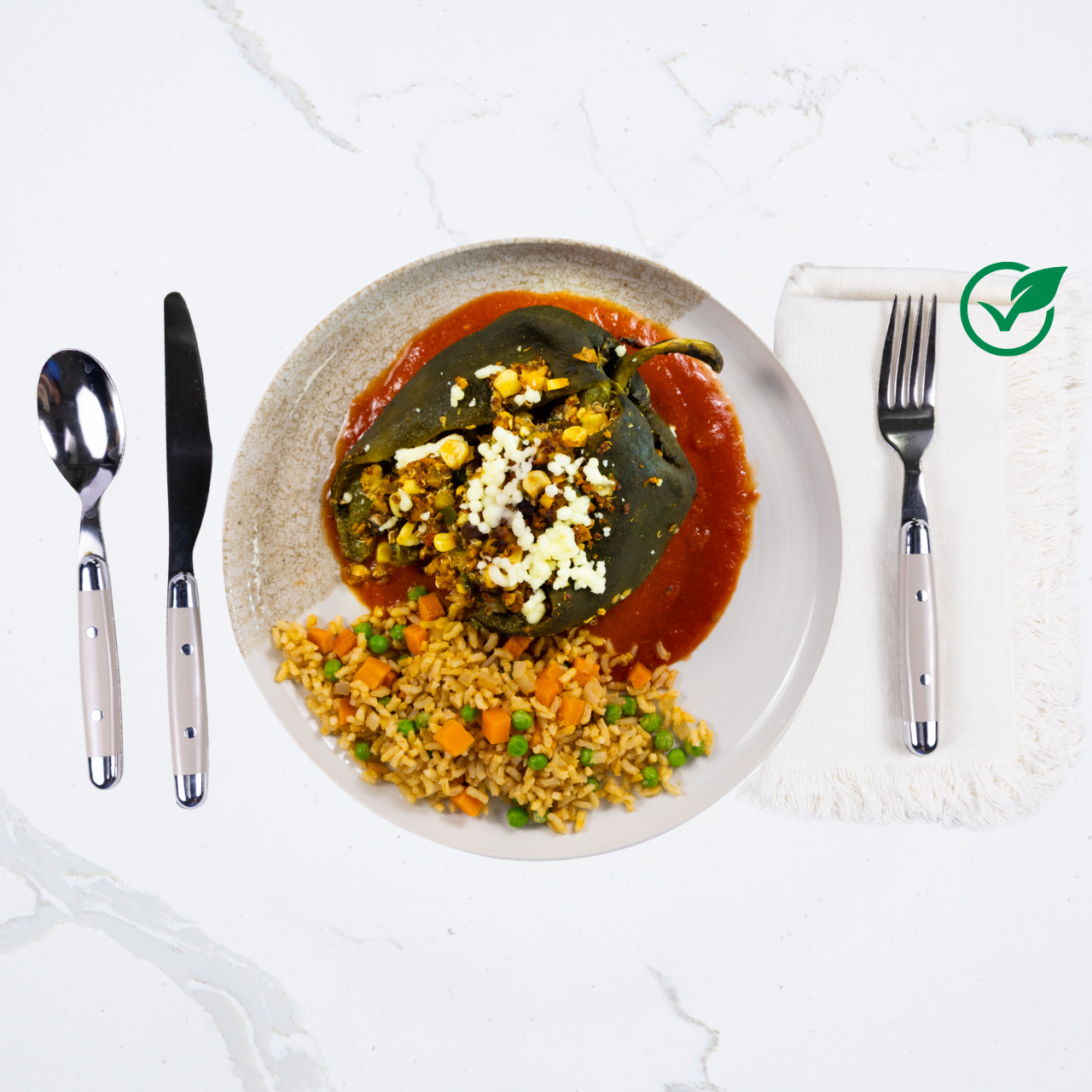
A helpful visual tip: think of cheese as a flavor enhancer, not the main event. Sprinkling it on salads, sandwiches, vegetables, or whole grains allows you to enjoy the taste while keeping overall intake balanced.
At Seattle Sutton's Healthy Eating, our dietitians incorporate cheese in thoughtful portions witin balanced meals, proving that no single food has to be eliminated to support long-term goals.

Start Your Healthy Journey Today!
Order Now


 Weight Loss
 Health & Wellness
 Diabetes
 Heart Health
 Motherhood & Family
 Dietary Restriction
 Other Health Conditions
 About SSHE
Learn More And Boost Your Well Being