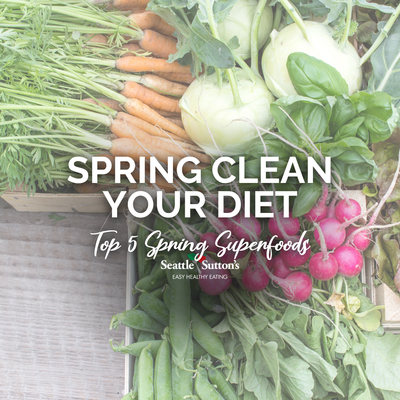
Spring is officially here, and that means one thing: it’s time to get excited about the season’s fresh, colorful bounty! Spring produce not only tastes amazing but is packed with nutrients that support your health. Here are my top 5 ways to spring clean your diet with seasonal fruits and vegetables.
1. Asparagus
One of the first foods to signal spring is fresh asparagus, popping up at farmers’ markets and grocery stores. It’s a great source of fiber, folate, vitamins A, C, E, and K, and chromium, a trace mineral that helps insulin transport glucose into cells. Bonus: asparagus is rich in glutathione, a detoxifying compound that helps neutralize free radicals and break down harmful compounds.
How to enjoy: Roasting brings out asparagus’s natural sweetness. Toss a bunch with a couple tablespoons of olive oil, a pinch of salt and pepper, and roast at 425°F for 12–15 minutes. Add garlic and a squeeze of lemon if you like—voilà, a tasty side dish or salad topper!
Fun fact: Asparagus is one of the only vegetables that contains significant amounts of vitamin K and folate, both crucial for healthy bones and cell function.
2. Artichokes
Artichokes are a nutritional powerhouse, yet they often get overlooked. They can help lower blood sugar, support heart health, reduce inflammation, and even improve cholesterol levels. Don’t let their appearance intimidate you—they’re easier to eat than they look!
How to enjoy: Season with olive oil, lemon, parsley, salt, and pepper, or pair with pasta and sauces.
Fun fact: Artichokes are rich in antioxidants—even more than apples or spinach—making them great for liver health and protecting cells from damage.
3. Watercress
Watercress is a peppery, dark leafy green. It’s loaded with fiber, antioxidants, vitamin C, folate, potassium, calcium, phosphorus, iron, and iodine. In fact, it has more calcium than milk and more iron than spinach, making it one of the most nutrient-dense spring greens.
How to enjoy: Watercress works beautifully in smoothies, especially when paired with sweet fruits like mango, berries, or banana. It also makes a vibrant addition to salads or sandwiches.
Fun fact: Watercress is a natural source of glucosinolates, compounds that support detoxification and may help lower cancer risk.
4. Rhubarb
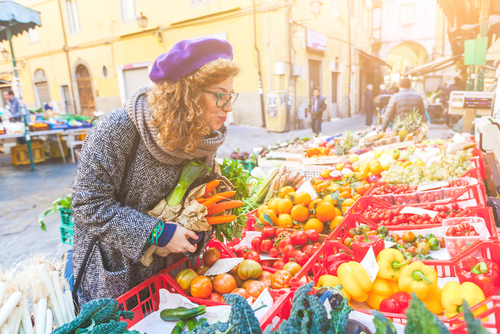
Rhubarb’s tart, celery-like stalks are low in calories but packed with fiber, vitamin C, calcium, potassium, manganese, magnesium, and B-complex vitamins. Because rhubarb is naturally tart, it pairs perfectly with sweeter fruits, like strawberries, making it a fun addition to smoothies, sauces, or baked goods.
Fun fact: Rhubarb is high in polyphenols, plant compounds that help fight inflammation and protect heart health.
5. Carrots
Carrots are naturally sweet and crunchy, loaded with carotenoids that help protect your vision, support your immune system, and may reduce cancer risk. They’re versatile too—pair well with both mild and bold flavors, including basil, cinnamon, coriander, cumin, curry, dill, fennel, garlic, ginger, nutmeg, paprika, rosemary, sage, and thyme.
Fun fact: Carrots contain beta-carotene, which your body converts into vitamin A—essential for healthy skin, vision, and immunity.
Take Advantage of Spring Produce
Whether roasting root vegetables, tossing together a colorful salad, or blending a seasonal smoothie, spring produce is a delicious way to boost your health. Enjoy the flavors, textures, and vibrant colors while reaping the many nutritional benefits.

Start Your Healthy Journey Today!
Order Now


 Weight Loss
 Health & Wellness
 Diabetes
 Heart Health
 Motherhood & Family
 Dietary Restriction
 Other Health Conditions
 About SSHE
Learn More And Boost Your Well Being