This article is written by Seattle Sutton, RN, founder of Seattle Sutton’s Healthy Eating. With decades of experience helping people live healthier, more vibrant lives, Seattle shares her insights on how staying active can support longevity, independence, and overall well-being.
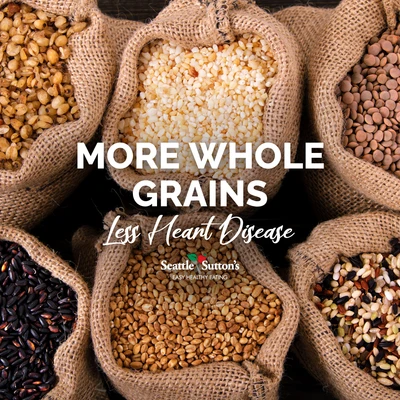
As a registered nurse, I’ve followed nutrition research for decades, and one thing has remained remarkably consistent: whole grains play an important role in heart health. Today, both historic and current research continue to confirm that connection—making whole grains a reliable choice for anyone focused on cardiovascular wellness.
Years ago, researchers conducted a large analysis examining the relationship between whole grain intake and heart disease risk. Even then, the conclusion was clear and compelling: people who ate more whole grains had a lower risk of developing heart disease.
What Earlier Research Showed
That landmark analysis reviewed data from multiple large population studies, including more than 300,000 participants and over 14,000 people with heart disease. Across study after study, the pattern was the same—the higher the whole grain intake, the greater the protection against coronary heart disease.
As a nurse, I pay attention to findings that stand the test of time—and this is one of them.
Why These Findings Still Matter Today
Even though that original study isn’t recent, its conclusions are supported by current research and ongoing dietary science. Modern studies continue to show that diets high in whole grains are associated with:
-
Lower LDL (“bad”) cholesterol
-
Reduced risk of heart attack and stroke
-
Better blood sugar control
-
Improved weight management
The reason is simple: whole grains provide fiber, antioxidants, vitamins, and minerals that support healthy blood vessels and metabolic function.
Today’s dietary guidelines—including those from major health organizations—still encourage whole grain consumption as part of a heart-healthy eating pattern. That consistency across decades of research tells us something important: this isn’t a fad—it’s a science-backed strategy for lasting heart health.
The Whole Grains I Recommend Most
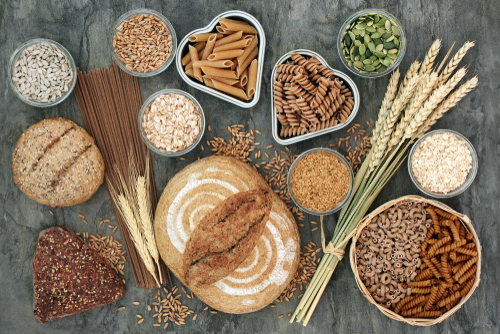
Not all whole grains offer the same benefits. These are the ones I most often recommend for heart health because they are well-studied, nutrient-dense, and easy to include regularly:
Oats
Oats contain beta-glucan fiber, which has been shown to help lower cholesterol. They’re one of the most heart-protective grains you can eat.
Barley
Barley is another excellent source of soluble fiber and can be especially helpful for cholesterol and blood sugar control.
Brown Rice
A familiar staple that provides more fiber and nutrients than white rice while supporting steady energy.
Quinoa
Naturally gluten-free and a good source of both fiber and protein, quinoa is a versatile option for balanced meals.
Whole Wheat
When eaten in proper portions, whole wheat products can support fiber intake and overall heart health.
Whole Grains vs. Refined Grains
Whole grains contain all parts of the grain—the bran, germ, and endosperm—making them richer in:
-
Fiber
-
B vitamins
-
Phytochemicals
In contrast, refined grains have had these components removed during processing, which diminishes their nutritional impact. Choosing whole grains consistently supports heart health in ways that refined grains simply do not.

Practical Heart-Healthy Steps I Recommend
Based on both old and new research, here’s what I suggest:
-
Include whole grains daily—not occasionally
-
Watch portion sizes so meals stay balanced
-
Pair whole grains with lean proteins and vegetables
-
Focus on consistent lifestyle habits, not quick fixes
This approach is exactly why I created Seattle Sutton's Healthy Eating. Our meals include appropriate portions of whole grains as part of balanced, nurse-designed menus—so you get proven heart benefits without confusion or guesswork.
Nutrition trends come and go, but some truths endure. Whole grains have been supporting heart health for years—and today’s science still confirms their benefits.
-Seattle Sutton BSN, RN

Start Your Healthy Journey Today!
Order Now


 Weight Loss
 Health & Wellness
 Diabetes
 Heart Health
 Motherhood & Family
 Dietary Restriction
 Other Health Conditions
 About SSHE
Learn More And Boost Your Well Being