Are you thinking about making a major change to your diet? Maybe you’re curious about the latest weight loss trend online, or considering cutting carbs, trying a new product, or something else? Before you make any drastic changes, it’s important to know that about 95% of people who go on a diet end up regaining the weight they lost—and often more.
The key to long-term success isn’t a “quick fix.” It’s understanding the fundamentals of a healthy diet, doing your research, and consulting a healthcare professional. Here are our five expert tips from our Registered Dietitians to help you choose a diet that fits your lifestyle and supports lasting results.

1. Discuss Your Options with a Professional
Certain health conditions—like diabetes, heart failure, or kidney disease—can make some diets unsafe. For example:
-
People with diabetes need consistent food intake to avoid dangerous blood sugar spikes or drops.
-
Those with heart failure often have strict sodium limits to protect their heart.
-
After a diagnosis of kidney disease, the right amount of protein is vital (not too much!)
Before trying a new eating plan, consult a dietitian or your doctor. They can help determine if a diet is safe and sustainable for you—and ensure it’s something you can maintain for life, not just a few weeks.
2. Avoid Diets That Eliminate Entire Food Groups
All foods can fit into a healthy diet in moderation. Cutting out whole food groups like grains or fruit often leads to binge eating, regret, and eventual weight regain as they are not sustainable forever.
Instead of eliminating foods, focus on making healthier swaps—like choosing whole grains instead of refined grains, or fruits instead of sugary snacks. Another option is to enjoy indulgent items in smaller portions and less frequently. These small, sustainable changes are far more effective for long-term health and weight management.
3. Weight Loss Shouldn’t Be Torture
It’s normal to feel a little hungry when reducing calories, but you should never feel ravenous or deprived. Extreme hunger is a sign your diet may be too restrictive or lacking key nutrients.
To stay satisfied:
-
Include fiber-rich fruits, vegetables, and whole grains.
-
Add lean proteins like chicken, fish, eggs, or low-fat dairy.
-
Drink plenty of water to stay hydrated.
- Avoid cutting calories too low
A balanced approach keeps you full, happy, and on track without feeling deprived. Eating too little can impact your mood, energy, sleep and more, if you are not sure how many calories are a good daily goal for you our dietitians can help.

4. Enjoy What You Eat
If a diet isn’t both nutritious and enjoyable, it’s unlikely to last. Meals that feel like punishment, freeze-dried, repetitive, or overly restrictive plans, often fail in the long run.
Focus on fresh, satisfying foods you like. It may take time to adjust, but learning to enjoy healthy meals will make your journey easier and more sustainable.
5. Consider Healthy Meal Support
Meal replacement programs or prepared meal services can simplify healthy eating, especially for busy lifestyles. However, not all programs are created equal:
-
Some provide only frozen or freeze-dried meals.
- Certain plans may appear healthy but contains lots of sodium, saturated fat, and unbalanced meals
-
Others include fresh fruits and vegetables and teach healthy habits for life.
The best programs support learning how to eat healthy permanently, rather than offering a temporary fix. In addition, they follow balanced nutrition guidelines and include a variety of foods without unnecessary restrictions.
Takeaway
Before starting any diet, do your homework. Evaluate the pros and cons, ensure it fits your lifestyle, and consult a healthcare professional. Healthy eating isn’t about a quick fix—it’s a lifelong practice that supports your overall wellness.
If you’re looking for guidance, Seattle Sutton’s Healthy Eating offers meal plans designed to make healthy eating simple, satisfying, and sustainable. Our plans help you feel better, look better, and enjoy what you eat—without the guesswork.
Don’t just take our word for it—read our customer success stories and see the results for yourself. Let’s do great things together!

Start Your Healthy Journey Today!
Order Now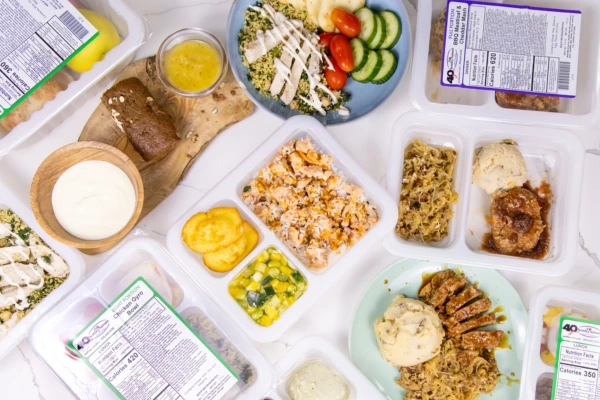


 Weight Loss
 Health & Wellness
 Diabetes
 Heart Health
 Motherhood & Family
 Dietary Restriction
 Other Health Conditions
 About SSHE
Learn More And Boost Your Well Being