
We all know we're supposed to eat more fruits and vegetables, but knowing it and actually doing it are two different things.
In fact, research shows that nearly 90% of Americans aren't eating enough. Let's take a look at what the research tells us about eating more produce, and why fruits and vegetable continue to be such an important part of a healthy eating pattern.
From supporting heart and metabolic health to feeding the beneficial bacteria in your gut. We all have reason to eat more plants.
Fruits and Vegetables May Support Metabolic Health
One area researchers continue to study is how eating more produce is connected to metabolic health.
A 2026 study of more than 5,000 adults examined the relationship between fruit and vegetable intake and metabolic syndome, a group of conditions that include high blood pressure, elevated blood sugar, high triglycerides, low HDL cholesterol, and excess abdominal fat.
Researchers found that people with the highest fruit intake had 18% lower odds of metabolic syndrome, while those with the highest vegetable intake had 16% lower odds, compared to people who ate the least. The study also found that greater fruit and veggie intake was associated with lower odds of metabolic syndrome.
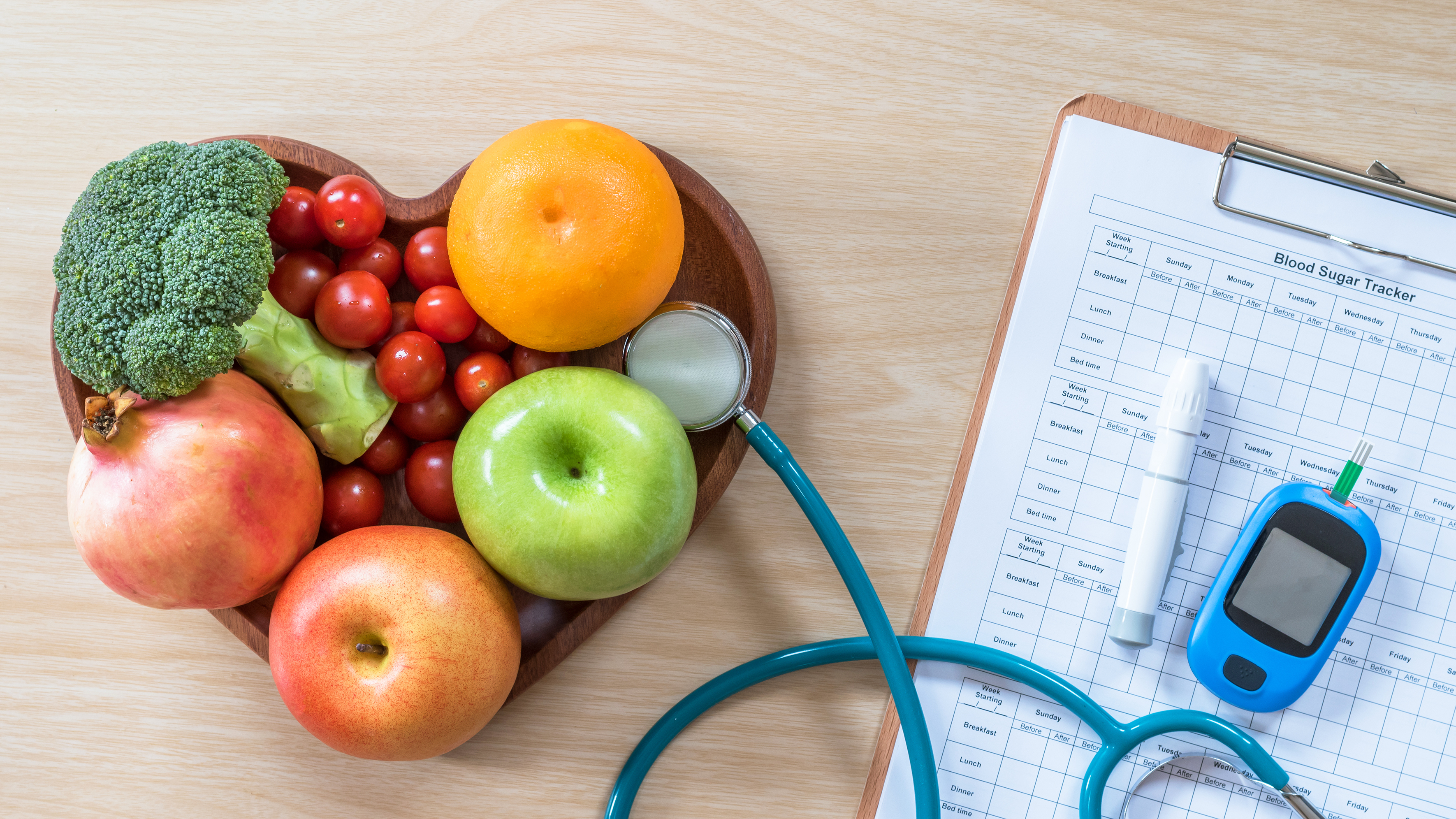
Interestingly, fruit appeared to have a slightly stronger association with metabolic health in this particular study. But that doesn't mean fruit is "better" than vegetables.
The takeaway isn't to choose fruit over vegetables. It's to make room for both. Fruits and vegetables provide different combinations of fiber, vitamins, minerals and plant compounds. Eating a variety of both can help you build a more nutrient-rich eating pattern.
Your Gut Bacteria May Be Part of the Story
We're also learning more about how the foods we eat interact with the trillions of microorganisms living in our digestive tract.
Recent research has found that gut bacteria may help transform naturally occurring compounds in vegetables, such as nitrate, along with plant-based iron into compounds that could benefit cardiovascular and metabolic health.
Nitrate is naturally found in vegetables such as beets and leafy greens, while plant-based iron is found in foods such as beans, whole grains and green vegetables.
While more research is needed, this adds to what we already know. The plants we eat provide much more than vitamins and minerals,, they interact with our bodies, and our gut health, in many different ways.
Think Variety, Not Just Quantity
When it comes to eating more plants, it's tempting to focus only on how many servings you're getting. But they variety of fruits and vegetables you eat matters, too.
Different plant foods contain different combinations of vitamins, minerals, fiber and phytonutrients. Eating a wide variety of plants gives your body a broader selection of nutrients and compounds to work with.
Think about adding variety with:
- Fruits
- Vegetables
- Beans and lentils
- Peas and corn
- Potatoes and sweet potatoes
Try the 30 Plants Per Week Challenge
One fun way to focus on plant variety is to challenge yourself to eat 30 different plant foods each week. Think of it as a fun challenge that encourages you to try different foods rather than eating the same few fruits and vegetables over and over.
How Many Fruits and Vegetables Should You Eat?
How much produce you need depends on your individual body and lifestyle. General dietary guidance traditionally recommends about 1½–2 cups of fruit and 2–3 cups of vegetables per day for adults.
That might sound like a lot, but you don't have to completely change your diet overnight. Start by adding a little more. An extra piece of fruit at breakfast, a handful of vegetables at lunch or an additional serving at dinner can all help move you in the right direction.
8 Easy Ways to Eat More Fruits & Vegetables
Knowing you should eat more produce is one thing. Actually fitting it into a busy day is another.
Try these simple strategies:
1. Add Fruit to Breakfast
Breakfast is an easy opportunity to add more produce to your day.
Try:
- Berries on oatmeal, cereal or yogurt
- A banana with peanut butter
- Sliced apples or peaches with cottage cheese
- Fruit blended into a smoothie
- An orange or grapefruit alongside breakfast
2. Make Lunch More Colorful
You don't have to eat a salad every day to get more vegetables.
Add spinach, tomatoes, cucumbers, peppers, shredded carrots or other vegetables to a sandwich or wrap.
Then add a piece of fruit, such as an apple, pear or orange, alongside your meal.
3. Add an Extra Vegetable to Dinner
Take meals you already enjoy and simply add a vegetable.
Toss spinach into pasta. Add peppers and onions to tacos. Mix broccoli into a stir-fry. Serve a side of vegetables or a salad with dinner.
Think addition. You don't have to give up your favorite foods to eat more vegetables. Look for opportunities to add them to meals you're already making.

4. Keep Fruit Where You Can See It
Make the healthy choice an easy choice. Keep a bowl of apples, bananas, oranges or other fruit somewhere visible and convenient. Wash and portion produce when you get home from the grocery store so it's ready to grab when hunger strikes.
5. Keep Frozen Produce on Hand
Fresh isn't your only option. Frozen fruits and vegetables can be nutritious, convenient and easy to keep on hand. They're especially helpful when fresh produce isn't available or when you need a quick addition to a meal. Keep a few bags of frozen vegetables in your freezer for busy nights.
6. Don't Overlook Canned Produce
Canned fruits and vegetables can also be part of a healthy eating pattern. For vegetables, look for low-sodium or no-salt-added options. For canned fruit, choose varieties packed in water or their own juice rather than those with added sugars. The best produce is often the produce that's convenient enough for you to actually eat.
7. Try Something New
Eating more fruits and vegetables doesn't have to be boring. Pick one fruit or vegetable you've never tried, or haven't had in a while, and prepare it a new way.
Roast Brussels sprouts instead of steaming them. Add berries to a salad. Try roasted beets. Toss spinach into eggs. Add extra vegetables to soup or pasta. You may discover a new favorite.
8. Add One More
If you're feeling overwhelmed by the idea of changing your entire diet, start with one simple goal: Add one more serving of fruit or vegetables each day.
Small changes are often easier to maintain than dramatic ones, and those small changes can become meaningful parts of your overall eating pattern.
Let Color Guide You
One of the simplest ways to improve your fruit and vegetable intake is to think about eating the rainbow. Different fruits and vegetables provide different combinations of nutrients and plant compounds, so try to include a range of colors and types throughout the week.
Think:
- Green: spinach, broccoli, green beans, peas, kiwi
- Red: tomatoes, strawberries, watermelon, red peppers
- Orange & yellow: carrots, sweet potatoes, oranges, squash
- Blue & purple: blueberries, blackberries, grapes, eggplant
The Bottom Line
Fruits and vegetables have earned their place as a foundation of healthy eating for good reason. Research continues to explore how produce intake is associated with metabolic health and how compounds found in vegetables may interact with our gut microbiome. While scientists are still learning exactly how all of these connections work, we don't have to wait for every answer before enjoying the benefits of eating more produce.
You don't have to make your diet perfect. Just look for more opportunities to make fruits and vegetables part of it.

Start Your Healthy Journey Today!
Order Now


 Weight Loss
 Health & Wellness
 Diabetes
 Heart Health
 Motherhood & Family
 Dietary Restriction
 Other Health Conditions
 About SSHE
Learn More And Boost Your Well Being