
We all know fresh fruits and vegetables are an important part of a healthy diet, but before you bite into that apple, toss berries into your yogurt, or chop a head of lettuce, there’s one important step: washing your produce properly.
Fruits and vegetables can pick up dirt, bacteria, and other contaminants during growing, harvesting, transportation, and handling. But, don't be fooled by produce cleaning products marketing claims, you don't need expensive produce washes or complicated cleaning routines.
In most cases, clean water, your hands, and the right technique are all you need. Some types of produce may benefit from a little extra attention, such as a gentle scrub for potatoes or a thorough rinse between the leaves of leafy greens.
Read on to learn how wash fruits and vegetables safely and how to handle different types of produce.
Start With Clean Hands
The first and often forgotten step before washing or preparing produce is to wash your hands with soap and warm water for at least 20 seconds.
It's also a good idea to make sure cutting boards, knives, countertops, colanders, and other kitchen tools are clean. There's little benefit to carefully washing your produce if you're placing it on a dirty surface right after.
Choose Produce Carefully at the Store
Food safety starts before you even get home, while you are at the grocery store. When selecting fresh fruits and vegetables, look for produce that is:
- Free from mold
- Not bruised or badly damaged
- Free from cuts, cracks, or open areas
- Firm and looks fresh
Damaged areas can provide places for bacteria to grow and enter the food. Try to carefully handle produce to avoid damage and plan to wash it before eating. Even though it may be tempting to pick at the grapes or snack on the strawberries right away.
When Should You Wash Fruits and Vegetables?
For most produce, it's best to wait to wash it until you're going to eat or prepare it. Extra moisture can encourage spoilage, especially for delicate produce like berries and leafy greens. If you do wash produce ahead of time, make sure it is thoroughly dried before storing it.
However, for products labels "pre-washed," "ready-to-eat," or "triple-washed" follow the instructions on packages. These products generally are ready to go and do not need to be washed again.
What's The Best Way to Wash Most Fruits and Vegetables?
For most fresh produce, the simplest method is also one of the best:
- Wash your hands.
- Place the produce under clean, cool running water.
- Gently rub the surface with your hands.
- For firm produce, use a clean produce brush when appropriate.
- Rinse thoroughly.
- Dry with a clean towel or paper towel if you're not eating it immediately. (Don't grab the dirty towel you just used to wipe the counter!)
There's no need for soap or dish detergent. Produce is porous and soap isn't intended to be eaten. It can leave behind residue and may cause some stomach issues.
And it's important to remember: washing produce reduces, but does not completely eliminate, the risk of foodborne illness.
Can You Use Baking Soda to Wash Produce?
You've probably heard that baking soda can help remove pesticides from fruits and vegetables. There is some research suggesting that a baking soda solution can help remove certain pesticide residues from the surface of some produce. However, this doesn't mean baking soda is a substitute for good food-safety practices.
If you prefer to use baking soda as an additional step for firm produce, you can make a mild solution and rinse thoroughly with clean running water afterward.
A simple option is:
- 1 teaspoon baking soda
- 2 cups water
Gently rub or soak appropriate produce briefly, then rinse very well under running water. Keep in mind: Baking soda won't remove every pesticide or eliminate all bacteria and viruses.
What About a Vinegar Rinse?
Vinegar is another popular DIY produce-cleaning method. While vinegar is acidic and can have antimicrobial properties, a vinegar rinse isn't necessary for routine produce washing and isn't proven to make produce safer than a thorough wash with clean running water.
If you choose to use a vinegar rinse, the produce should still be rinsed thoroughly with water afterward. Vinegar also won't remove all pesticides or eliminate every type of harmful microorganism. For most people, there's no need to make vinegar a regular part of washing fruits and veggies.
How to Wash Root Vegetables and Other Firm Produce
Firm produce with a thick or sturdy skin, such as potatoes, carrots, cucumbers, apples, and melons, can usually handle a little more scrubbing.
We recommend holding the produce under running water and gently rubbing the surface with your hands. For particularly dirty or rough-skinned vegetables, its a good idea to use a clean produce brush.
Different brushes work well for different jobs:
- Soft-bristle produce brushes: Great for apples, cucumbers, carrots, and other firm produce.
- Stiffer vegetable brushes: Useful for root vegetables with rough surfaces, such as potatoes and sweet potatoes.
- Small brushes: Helpful for cleaning around stems, crevices, or other hard-to-reach areas.
You don't need to scrub aggressively. The goal is to loosen dirt and debris without damaging the skin. And don't forget to always clean your produce brush after use and make sure it is completely dried between uses.

Don't Forget to Wash Produce You Aren't Eating the Peel Of
Think you can skip washing a melon because you're not eating the rind? Think again. It's important to wash produce before cutting into it. When you cut through an unwashed surface, bacteria and dirt on the outside can be transferred to the edible portion by your knife.
This is especially important for produce such as:
- Melons
- Avocados
- Pineapples
- Oranges
- Lemons
- Squash
- Watermelon
Give the outside a good rinse and scrub before cutting.
How to Wash Leafy Greens
Leafy greens can be a little trickier because dirt and debris can hide between the leaves.
For loose lettuce, spinach, kale, and other greens:
- Remove any damaged or wilted leaves.
- Separate the leaves.
- Rinse thoroughly under cool running water.
- Gently rub the leaves with your hands.
- Drain well.
- Dry using a salad spinner or clean towel.
A salad spinner can be particularly helpful because removing excess water helps keep greens crisp and can slow spoilage.
For bagged greens labeled "pre-washed," "ready-to-eat," or "triple-washed," there's generally no need to wash them again. Rewashing can actually introduce bacteria from your hands, sink, colander, or other surfaces.
How to Wash Berries and Other Delicate Fruits
Delicate fruits like strawberries, raspberries, blackberries, and blueberries require a gentler approach. You want to avoid vigorous scrubbing as that can damage the fruit and make it spoil faster.
Instead, follow these steps:
- Place the berries in a colander.
- Rinse gently under cool running water.
- Let excess water drain.
- Gently pat dry or allow them to air-dry.
- Store them in the refrigerator.
Whenever possible wait to wash berries until you're ready to eat them. Washing them too far in advance can add moisture and shorten their shelf life.
A tip on strawberries, it's best to remove the leafy tops after washing, rather than before. Keeping the tops on helps prevent water from getting inside the fruit, whichs keeps them fresher and decreases the spread of contaminants.
What About Mushrooms?
Mushrooms are very delicate and easily absorb water, so they require a little care. If they are visibly dirty, gently brush away loose dirt or rinse them briefly under cool running water. Avoid prolonged soaking, and dry them well before cooking.
Should You Soak Fruits and Vegetables?
There's no need to routinely soak your produce in water, vinegar, baking soda, or other solutions. For most fruits and vegetables, washing under clean running water while gently rubbing the surface is sufficient.
If you do use a baking soda solution or another rinse, don't forget the final step: rinse the produce thoroughly with clean running water.
What About Commercial Produce Washes?
You may see special produce washes and sprays marketed as a way to clean fruits and vegetables. However, you don't need a commercial produce cleaner to safely wash fresh produce. Clean running water and proper handling are generally the best place to start.
Remember that no washing method can make contaminated food completely risk-free. Proper refrigeration, cooking when appropriate, preventing cross-contamination, and practicing good hand hygiene are all important parts of food safety.
What to Do With Bruised or Moldy Produce
If you notice a damaged area or a small bruise on your produce, cut it away before eating the rest of the produce.
But if your produce has significant mold, is very soft, or has an unusual odor, it's safest to discard it. Mold can spread below the surface even when you can't see it.
Do You Need to Wash the Produce in Your Seattle Sutton's Meals?
If you're enjoying a Seattle Sutton's Healthy Eating meal, there's one less thing you need to worry about in the kitchen! All of the fruits and vegetables used in Seattle Sutton's meals are pre-washed (actually double-washed) before they make their way into your meals.
Our produce goes through careful washing procedures to help remove dirt and other contaminants before it is used in meal preparation. This means you do not need to worry about washing the fresh fruits and vegetables again before enjoying your Seattle Sutton's meal.
In fact, washing items again at home can introduce new bacteria from your hands, sink, colander, or other kitchen surfaces. It can also affect the quality and freshness of delicate ingredients.
So when your Seattle Sutton's meal arrives, you can simply just enjoy!
Fresh Produce Is Worth the Extra Step
Don't let concerns about food safety keep you from eating fruits and vegetables. Fresh produce provides fiber, vitamins, minerals, antioxidants, and other beneficial plant compounds. Plus research continuously has shown that eating a variety of fruits and vegetables is an important part of a healthy eating pattern.
For most produce, remember the basics: wash your hands, rinse produce under clean running water, gently rub or scrub when appropriate, and dry it before storing. Save the extra techniques for produce that needs them, such as scrubbing a dirty potato or carefully rinsing delicate berries.
A few simple habits can help you enjoy fresh fruits and vegetables safely, and keep more of them on your plate.

Start Your Healthy Journey Today!
Order Now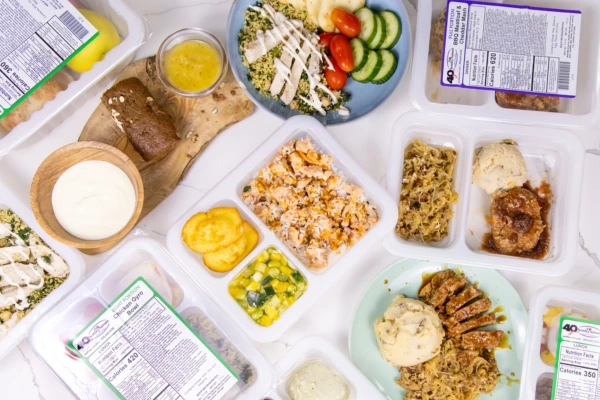


 Weight Loss
 Health & Wellness
 Diabetes
 Heart Health
 Motherhood & Family
 Dietary Restriction
 Other Health Conditions
 About SSHE
Learn More And Boost Your Well Being