As parents, grandparents, and caregivers, we do so much every day to keep children healthy. We buckle their seatbelts, make sure they get enough sleep, schedule doctor visits, and encourage them to stay active. But one of the most important ways we support their health starts with something they do every day: eating.
Food provides the nutrients children need to grow strong, support their developing brains, maintain energy, and build healthy habits that can last a lifetime.
While childhood is filled with growth and change, the first 1,000 days of life (from pregnancy through a child's first birthday) are especially important. During this time, the brain develops rapidly, the immune system matures, and the foundation for future health is laid. However, proper nutrition for kids remains important throughout childhood as kids continue growing and learning.
Why Essential Nutrients Matter for Growing Bodies
Every bite of food is an opportunity to provide the vitamins, minerals, and nutrients a child's body needs. When children regularly miss out on important nutrients, it can affect their growth, energy, weight, immunity, and overall development.
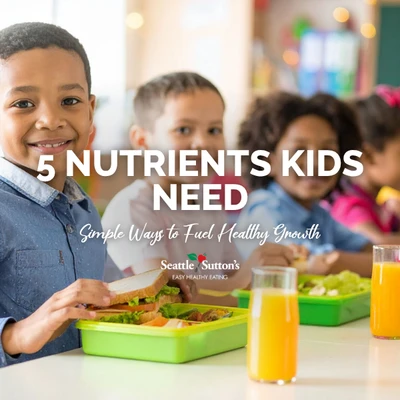
Here are some of the key nutrients kids need and simple ways to include them in meals and snacks:
Calcium & Vitamin D for Strong Bones and Teeth
Growing bodies need nutrition like calcium, vitamin D, phosphorus, and protein to help build strong bones and teeth. Childhood and adolescence are important times for building bone strength that can benefit health for years to come.
Kid-friendly foods to try:
- Milk, yogurt, and cheese
- Fortified dairy alternatives
- Leafy green vegetables
- Calcium-set tofu
Easy ways to serve them:
- Add milk to smoothies with berries and a banana
- Offer cheese cubes with whole grain crackers as a snack
- Top oatmeal or cereal with milk and sliced fruit
- Create a yogurt parfait with low-sugar yogurt, fruit and whole grain granola
- Add shredded cheese to tacos, scrambled eggs, or sandwiches
Protein for Growth and Development
Protein provides the building blocks children need to grow, repair tissues, maintain muscles, and support important body functions. Including protein at meals and snacks can also help kids feel satisifed and energized.
Kid-friendly protein sources include:
- Eggs
- Chicken, turkey, fish, and lean meats
- Beans and lentils
- Greek yogurt
- Nuts and seeds (when age appropriate)
Easy ways to serve them:
- Make scrambled eggs or egg muffins with veggies for breakfast
- Spread peanut butter or another nut butter on whole grain toast or apple slices
- Make a turkey and cheese wrap with a whole grain tortilla
- Add beans to tacos, quesadilllas, soups, or pasta dishes
Fruits & Vegetables for Vitamins, Minerals and Fiber
Fruits and veggies provide important nutrients like vitamin C, vitamin A, potassium, and fiber. They support immune health, digestion, and overall wellness.
Kids often need repeated exposure to new foods before accepting them. So don't give up if they don't like it at first. Keep offering a variety of colors and textures without pressure.
Kid-friendly options include:
- Berries
- Apples
- Bananas
- Carrots
- Sweet potatoes
- Broccoli
- Bell peppers
Easy ways to serve them:
- Blend berries and spinach into a smoothie
- Slice apples and serve them with yogurt dip
- Keep cut vegetables ready for easy snacking
- Try roasted sweet potato fried instead of traditional fries
- Add finely chopped vegetables into pasta sauce, soups, omelets, or casseroles
- Keep bananas and oranges available for grab-and-go snacks
Healthy Fats for Brain Development
Healthy fats play an important role in brain development and help children absorb certain vitamins. Omega-3 fatty acids, in particular, are important for supporting brain and heart health.
Good sources include:
- Salmon and other fatty fish
- Avocado
- Nuts and seeds
- Nut butters
- Olive oil
Easy ways to serve them:
- Try salmon cakes, fish tacos, or baked salmon in a favorite sauce
- Add avocado slices to sandwiches, wraps or toast
- Mix nut butter into oatmeal or smoothies
- Sprinkle chia seeds or ground flaxseeds into yogurt or cereal
- Use olive oil-based saucess for pasta or roasted vegetables
Whole Grains for Energy and Important Nutrients
Whole grains provide carbohydrates for energy, along with fiber and important nutrients like B vitamins, magnesium, and iron. They help fuel kids' busy days.
Kid-friendly whole grains include:
- Oatmeal
- Whole grain bread
- Brown rice
- Whole wheat pasta
- Popcorn (for chilren old enough to safely eat it)
Easy ways to serve them:
- Make oatmeal with cinnamon and fruit for breakfast
- Use whole grain bread for sandwiches or toast
- Swap traditional pasta for whole wheat
- Add brown rice to burrito bowls or stir-fries
- Offer air-popped popcorn as a fiber-rich snack
Building Healthy Eating Habits Takes Time
Healthy eating doesn't have to mean making every meal from scratch or getting children to eat every food on their plate. What matters is creating consistent opportunities as a family for balanced, nourishing foods.
A balanced plate can include:
Fruits and vegetables for vitamins, minerals and fiber
Protein foods to support growth and development
Whole grains for energy and important nutrients
Healthy fats to support brain health
Remember, children's eating habits deveop over time. It is normal for kids to be selective, prefer certain foods, or change their preferences as they grow. Offering variety, involving kids in meal preparation, and creating a positive mealtime environment can help build a healthy food relationship.
Healthy Eating Starts with Small Steps
Providing children with the nutrients they need doesn't mean every meal has to be perfect. Small changes made consistently can have a big impact. By choosing wholesome foods and focusing on essential nutrients, we can help support children's growth today and their health for years to come.

Start Your Healthy Journey Today!
Order Now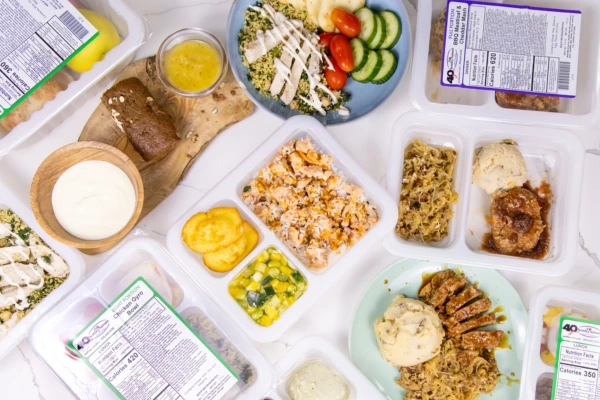


 Weight Loss
 Health & Wellness
 Diabetes
 Heart Health
 Motherhood & Family
 Dietary Restriction
 Other Health Conditions
 About SSHE
Learn More And Boost Your Well Being