At Seattle Sutton's Healthy Eating, we've always believed that healthy eating isn't about chasing the latest food trend, it's about building balanced meals with a variety of nutrient-rich ingredients that work together to support yuur health. Hemp seeds are a great example.
While they've gained popularity over the last decade, hemp seeds aren't a miracle food. Instead, they're one of many nutritious ingredients that can contribute to a healthy eating pattern when paired with fruits, vegetables, whole grains, lean proteins, and healthy fats.
If you've been curious about hemp seeds, here's what you should know.
What Are Hemp Seeds?
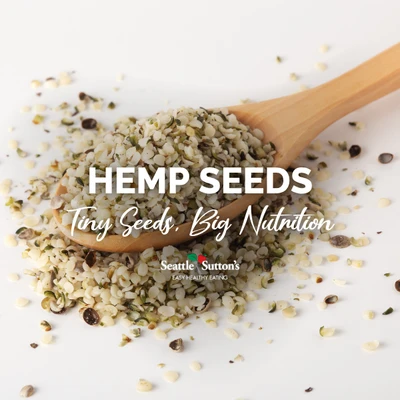
Hemp seeds (also called hemp hearts when the shell has been removed) come from the hemp plant, a variety of Cannabis sativa. Although they're related to marijuana, hemp seeds contain only trace amounts of THC and cannot make you high.
Today, they're widely available in grocery stores and are valued for their impressive nutrition, not because they're trendy, but because they provide several important nutrients in a small serving.
At Seattle Sutton's Healthy Eating, we encourage looking beyond food trends and asking a more important question: How does this food fit into an overall balanced diet? Hemp seeds are one piece of that larger picture.
Why Hemp Seeds Are a Dietitian Favorite
No single food provides everything your body needs, but hemp seeds offer several nutrients that can complement an already healthy eating pattern.
Plant-Based Protein
Hemp seeds provide about 10 grams of complete protein in just three tablespoons, making them one of the few plant foods that contain all nine essential amino acids. Protein helps support muscle health, keeps you feeling satisfied after meals, and plays an important role in many body functions.
Rather than relying on one protein source, our dietitians recommend enjoying a variety of options, including lean meats, seafood, beans, lentils, dairy, soy foods, nuts, seeds, and whole grains.
Heart-Healthy Fats
Hemp seeds are naturally rich in unsaturated fats, including omega-3 and omega-6 fatty acids, which support heart health as part of an overall balanced eating pattern.
At Seattle Sutton's Healthy Eating, heart health is built into every meal by emphasizing healthy fats while limiting saturated fat and eliminating artificial trans fats. Remember, healthy eating isn't about avoiding fat altogether, it's about choosing the right kinds of fat more often.
Fiber for Digestive Health
Whole hemp seeds also provide fiber, which supports digestive health, helps maintain steady blood sugar, and promotes fullness after meals.
Fiber works best when it comes from many different foods. That's why we encourage filling your plate with fruits, vegetables, whole grains, beans, nuts, and seeds instead of relying on a single ingredient.
Important Vitamins and Minerals
Hemp seeds also provide magnesium, iron, zinc, phosphorus, and manganese; nutrients that support muscle function, bone health, energy production, and immune function.
While these nutrients are beneficial, the goal isn't to find one "perfect" food. A balanced diet made up of many nutrient-rich foods helps ensure your body receives the full spectrum of vitamins and minerals it needs.

How Do Hemp Seeds Compare to Other Seeds?
One of the questions we hear most often is whether hemp seeds are healthier than chia or flaxseeds. There's no clear winner as each seed offers something unique.
- Hemp seeds provide complete protein and healthy fats.
- Chia seeds are especially rich in fiber and omega-3 fats.
- Flaxseeds provide fiber and lignans.
- Pumpkin seeds are an excellent source of magnesium and zinc.
- Sunflower seeds are rich in vitamin E.
Rather than choosing one "best" seed, enjoy a variety throughout the week. Variety has always been one of the cornerstones of healthy eating and remains one of the simplest ways to nourish your body.
Simple Ways to Add Hemp Seeds to Your Meals
Hemp seeds have a mild, nutty flavor that makes them easy to incorporate into foods you're already enjoying. Try adding them to:
- Oatmeal or overnight oats
- Yogurt with fresh berries
- Smoothies
- Salads
- Avocado toast
- Roasted vegetables
- Grain bowls
- Homemade trail mix
Small additions like these can help boost the nutrition of everyday meals without requiring a complete change in the way you eat.
The Big Picture Matters Most
It's easy to get caught up in headlines promoting the latest "superfood," but research consistently shows that your overall eating pattern matters much more than any single ingredient. No one food can prevent disease, undo years of unhealthy habits, or provide every nutrient your body needs.
Instead, long-term health comes from making balanced choices consistently: filling your plate with vegetables and fruits, choosing whole grains, including lean proteins, and incorporating healthy fats from foods like nuts and seeds.
That's the philosophy Seattle Sutton built this company on more than 40 years ago, and it's the same science-backed approach our dietitians continue to follow today.
Healthy Eating Made Simple
At Seattle Sutton's Healthy Eating, our mission has always been to make healthy eating simple, convenient, and sustainable.
Whether you're sprinkling hemp seeds on your morning oatmeal or enjoying one of our prepared meals, remember that lasting health isn't built by one ingredient: it's built by the healthy choices you make day after day.

Start Your Healthy Journey Today!
Order Now


 Weight Loss
 Health & Wellness
 Diabetes
 Heart Health
 Motherhood & Family
 Dietary Restriction
 Other Health Conditions
 About SSHE
Learn More And Boost Your Well Being