Healthy eating doesn't have to be confusing and complicated. In fact, the easier a plan is to follow, the more likely it is to support long-term health. Nutrition works best when meals are balanced, portions are reasonable, and choices are consistent over time.
That's exactly why Seattle Sutton's Healthy Eating has been so effective in helping people improve health conditions, feel their best, and reach a healthy weight. We take the complication out of eating right!
No shopping, cooking, meal planning.
And as Seattle always liked to say,"we don't even mess up your kitchen."
If you're working toward a health goal or on the fence about our program, here are answers to some of the most common nutrition questions we hear.
1. Are These Meals Low In Sodium?
Yes, our dietitian-designed meal plans stay within healthy sodium ranges as recommended by the American Heart Association.
Most people in the U.S. eat too much salt, about 3,400 mg per day on average. High sodium intake can raise blood pressure and increase the risk of heart disease and stroke.
Our average daily sodium levels:
- 1200-calorie dietitian-designed plans: 1,500-1,550 mg per day
- 2000-calorie dietitian-designed plans: about 2,200 mg per day
The AHA recommends less than 2,300 mg per day for most adults. If you are over 51 years old, African American, or have high blood pressure, diabetes, or chronic kidney disease then the recommendation lowers to 1,500 mg a day.
A true "no-salt" diet isn't realistic or healthy. Sodium occurs naturally in foods and is essential for normal body functions. When advised to avoid added salt, this usually means not adding salt at the table or during cooking as a way to lower the sodium you eat, not eliminating it entirely.
If you use Choose Your Own Meals, you can select the Heart Smart or Low Sodium filter to find meals that contain less than one-third of the daily sodium recommendation per meal.
2. What If I Don't Drink Milk?
That's okay. Milk is recommended with our dietitian-designed meal plans because it provides protein, calcium, vitamin D and potassium - nutrients most people don't get enough of. But your dairy choices are always up to you.
You can:
- Choose lactose-free milk
- Use an unsweetened plant-based milk that is fortified with calcium and vitamin D
- Use milk servings as "flex calories" for other healthy foods
We recommend:
-
2 dairy servings on the 1200-calorie dietitian-designed plan
-
3 dairy servings on the 2000-calorie dietitian-designed plan

3. What Are Flex Calories?
Flex calories allow you to personalize your plan while staying within your calorie goals. They're often used in place of milk servings and typically equal about 100 calories.
Healthy flex calorie ideas include:
- A piece of fruit or 1 cup cut-up fruit
- Small side salad with 1 Tbsp. vinaigrette
- Veggie sticks with 2 Tbsp. hummus
- Low-fat yogurt
- 3 cups air-popped unsalted popcorn
Not all snacks are created equal. When using flex calories, focus on whole, minimally processed foods, and aim to pair protein with fiber for better fullness. Always portion snacks onto a plate or bowl—never eat straight from the bag.
4. What If I Don't Eat Breakfast?
We have all heard that breakfast is the most important meal of the day. However, some people are just not breakfast eaters or prefer to make their own breakfast meals, and that is perfectly fine. If using our dietitian-designed meal plans, you have the flexibiliy to use the meals how you please.
On the dietitian-designed meal plan, meals can be:
- Enjoyed later in the day
- Split into snacks
- Shared with others
- Saved for later in the week (within the "best by" date on 4-day plans)
What matters most is getting enough nutrients throughout the day, not eating at specific times.
With Choose Your Own Meals, you can easily select only the meals you want and skip breakfast altogether if you prefer.

5. Are These Meals Okay For People With Diabetes?
Yes, our dietitian-designed meal plans follow nutrition guidance from the American Diabetes Association making them a great choice for someone with diabetes or prediabetes.
Our meals focus on:
- Balanced portions
- Healthy carbohydrates
- Whole grains, fruits, vegetables, and beans
- Limited added sugar
Since excess weight makes it harder for insulin to work properly, the calorie and portion control our program centers on can help improve insulin resistance for those with diabetes or prediabetes. The ADA recommends losing weight to promote better blood sugar control and Seattle Sutton’s Healthy Eating meals are designed for safe, effective weight loss.
All meals contain zero trans fat and meet American Heart Association guidelines for total fat, saturated fat, and cholesterol—important since people with diabetes have a higher risk of heart disease.
Meals are clearly labeled with carbohydrate and fiber content, and meals can be split into smaller portions if needed. With Choose Your Own Meals, the Diabetes Friendly filter highlights meals lower in carbohydrates and higher in fiber.
6. How Much Weight Will I Lose - and How Fast?
Many of our customers are successful with their weight loss goals. Since we focus on calorie and portion-control our dietitian-designed plans are very helpful for losing unwanted pounds. Most often customers see weight loss within the first week. Our 1200-calorie dietitian-designed meal plan is the most commonly used for weight loss.
While many people hope to lose weight quickly, it is better to lose weight at a steady pace with changes that are maintainable over time. Our meal plans are designed to help anyone lose weight, however, each person may lose weight at varying rates on our program due to a variety of factors.
Factors that support success include consistency, adequate sleep, regular movement, and sticking closely to the plan.
Healthy, sustainable weight loss typically occurs at 1–3 pounds per week. Progress is rarely linear—some weeks you may lose more, others less—but the overall trend is what matters.
If you aren't sure what calorie plan to choose if you are hoping to lose weight, you can schedule a free consultation with our dietitian-nutritionist team to get a personalized recommendation. They can also help you decide if you should select light or full portions on our Choose Your Own Meals plan.
7. Do You Offer Gluten-Free Meals?
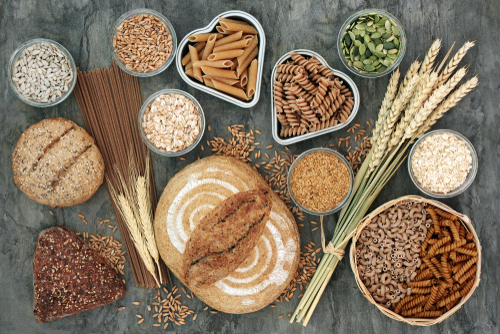
Many of our meals are naturally gluten-free, however, we do not offer a full gluten-free dietitian-designed meal plan. We recognize that many people cut gluten out of their diet unnecessarily, potentially eliminating healthy foods from their diet. Many people give up gluten because they think it's a healthier way to eat, but unless you have a medical condition that requires a gluten-free diet, we believe it isn't necessary.
For those who do need a strict gluten-free diet, Choose Your Own Meals allows you to filter for meals free from wheat, barley, and rye by selecting "Gluten-Free."
8. Are These Meals Suitable For Kidney Disease?
Managing kidney disease requires you to control your blood pressure, blood sugar, cholesterol, and salt intake. The kidneys help to maintain the right balance of nutrients and minerals. If you have kidney disease, your kidneys struggle to do this job well and diet changes become vital.
In early kidney disease, recommendations often include lower sodium and balanced portions, which align well with our meal plans. Since all of our meal plans are low in sodium and meet the requirements set by the American Heart Association and American Diabetes Association, many health care professionals working with renal patients feel confident recommending our program for this reason.
Advanced kidney disease or dialysis may require additional nutrient restrictions (potassium, phosphorus, calcium). Small adjustments—such as plant-based milk or fruit substitutions—may help. We strongly recommend meeting with one of our dietitians for personalized guidance.
The Kidney Care filter in our Choose Your Own Meals plan highlights meals lower in sodium, potassium, and phosphorus.
9. What Should I Drink?
Even if you are following our meal plan 100%, what you are drinking could be sabotaging your success. Beverages can be a hidden source of calories, carbohydrates, and added sugars. Oftentimes, people overlook what they are drinking as a reason for not seeing the results they are expecting on the scale, their blood sugars, or low energy levels.
We recommend sticking with unsweetened, zero-calorie drinks. Best choices include:
- Water
- Unsweetened tea
- Black Coffee
- Water infused with fruit or herbs
- Seltzer water
- Milk (as recommended on the dietitian-designed plans)
We discourage regular or diet soda, sweetened teas, fruit drinks, and sweetened coffee beverages, which can increase cravings and interfere with results.

10. What If My Calorie Needs Are Different?
We understand that each customer has different goals, different bodies, and different needs and there is no one-size-fits-all plan!
If your calorie needs do not fit into the 1200 or 2000 calorie dietitian-designed meal plans we offer, there are ways to add or subtract calories to make our meal plans work for you. All of our meal plans are calculated with the addition of 2 to 3 servings of dairy. The calories from the dairy allow us to adjust the servings to meet the calories you need.
Need an 1800 calorie plan? If you choose the 2000 calorie plan and add only 1 glass of milk instead of 3, you will average 1800 calories. Need a 1500 calorie plan? Order the 1200 calorie plan and add in a healthy snack to help you get to your goal. Our healthy snacking guide is a great resource for adding in extra, healthy calories to your meal plan.
Our dietitians are always available to help you personalize your plan.
With Choose Your Own Meals, calorie intake depends on your selections, offering flexibility and control to meet your goals your way.
11. Why Doesn't The Heart Smart Filter Limit Cholesterol?
Research shows that saturated and trans fats raise LDL (“bad”) cholesterol far more than dietary cholesterol. Modern guidelines focus on limiting saturated and trans fat rather than counting milligrams of cholesterol.
Clinical studies demonstrate that diets low in saturated fat can lower LDL—even when foods higher in dietary cholesterol are included. For most people, dietary cholesterol has minimal impact on blood cholesterol levels.
That’s why we:
-
Limit saturated fat to <10% of total calories
-
Eliminate trans fats
-
Focus on balanced, portion-controlled meals
You don't need to fear foods that naturally contain cholesterol. What matters most is the overall eating pattern and keeping saturated and trans fats low.
Eating Well for Life
At Seattle Sutton’s Healthy Eating, we believe this isn’t “diet food.”
It’s simply how you should eat for life—balanced, realistic, and backed by science.

Start Your Healthy Journey Today!
Order Now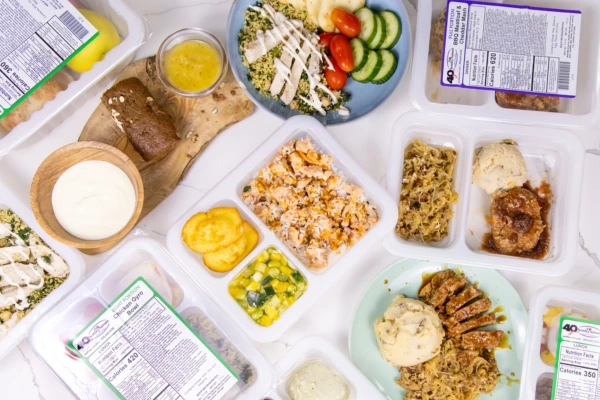


 Weight Loss
 Health & Wellness
 Diabetes
 Heart Health
 Motherhood & Family
 Dietary Restriction
 Other Health Conditions
 About SSHE
Learn More And Boost Your Well Being