This article is written by Seattle Sutton, RN, founder of Seattle Sutton’s Healthy Eating. With decades of experience helping people live healthier, more vibrant lives, Seattle shares her insights on how staying active can support longevity, independence, and overall well-being.
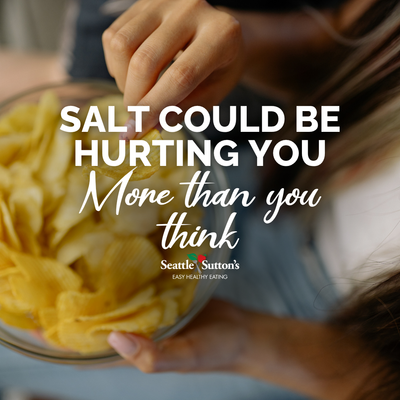
For years, we've talked about salt mainly in relation to high blood pressure. And while that’s still important, we now know the story doesn’t stop there.
Research continues to show that too much sodium can impact your body in ways you may not see right away, even if your blood pressure numbers look perfectly normal.
That means you don't have to have high blood pressure for salt to quietly take a toll on your health.
What We're Learning About Sodium and the Body
Research highlights something important:
Even people who are considered "salt resistant," meaning their blood pressure doesn't rise significantly with sodium intake, may still experience negative effects.
Excess sodium has been linked to:
- Damage to blood vessels
High sodium levels can impair the endothelium, the inner lining of your blood vessels. This layer plays a critical role in circulation, blood clotting, and overall vascular health. - Increased arterial stiffness
Over time, this can make it harder for your heart to pump efficiently. - Changes in heart structure
High sodium intake may contribute to thickening of the heart muscle (left ventricular hypertrophy), which can reduce how effectively the heart pumps blood. - Strain on the kidneys
Your kidneys work hard to regulate fluid and sodium balance. Too much sodium can impair their function over time. - Impact on the nervous system
Excess sodium may overstimulate the body’s “fight or flight” response, placing additional stress on the heart and other organs.
In other words, salt doesn’t have to raise your blood pressure to still affect your health.

Why This Matters
These effects often happen gradually and silently. You may feel fine. Your blood pressure may even look normal. But over time, consistently high sodium intake can contribute to long-term wear and tear on your heart, blood vessels, and kidneys. That’s why taking a proactive approach to sodium is so important.
A Smarter, Simpler Approach to Sodium
At Seattle Sutton’s Healthy Eating, this isn’t new to us. From the very beginning, I believed that balanced, moderate sodium intake is essential, not just for those managing high blood pressure, but for anyone who wants to protect their long-term health.
That’s why our meals are:
- Carefully portioned
- Nutritionally balanced
- Designed to meet heart-health guidelines
- Made without excess sodium
Because healthy eating shouldn’t feel complicated or restrictive. It should feel sustainable.
Small Changes Add Up
You don’t have to eliminate salt completely. But being more mindful can make a real difference.
Start with a few simple steps:
- Choose more whole, minimally processed foods
- Limit heavily processed and packaged items
- Pay attention to sodium on nutrition labels
- Cook more meals at home or choose prepared meals you can trust
Over time, your taste buds adjust and your body benefits.
The Bottom Line
Healthy eating is about more than reacting to a diagnosis... it’s about protecting your body before problems begin.
Too much sodium can affect your heart, blood vessels, kidneys, and more, even if your blood pressure hasn’t changed.
At Seattle Sutton’s Healthy Eating, we’re here to make that easier with meals designed to support your health today—and for years to come.

Start Your Healthy Journey Today!
Order Now


 Weight Loss
 Health & Wellness
 Diabetes
 Heart Health
 Motherhood & Family
 Dietary Restriction
 Other Health Conditions
 About SSHE
Learn More And Boost Your Well Being