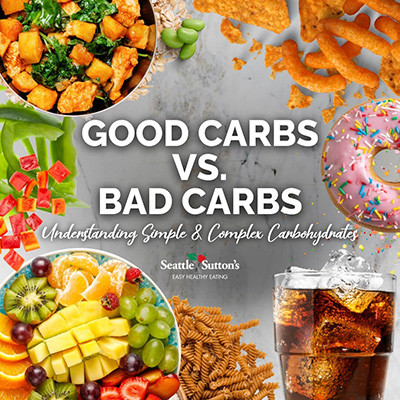
Carbohydrates are an important part of a healthy, balanced diet. But not all carbohydrate foods offer the same nutritional benefits. So, what are smart carbs?
Smart carbs are carbohydrate-rich foods that provide important nutrients such as fiber, vitamins, minerals and sustained energy. They include foods like whole grains, beans, lentils, pea, potatoes, vegetables and whole fruits.
Rather than cutting carbohydrates from your diet, focus on choosing nutrient-rich carbohydrate foods more often and limiting highly refined foods and added sugars.
What Are Smart Carbs?
Smart carbs are generally minimially processed carbohydrate foods that provide more nutritional value than highly refined or sugar-heavy choices.
Good examples of smart carbs include:
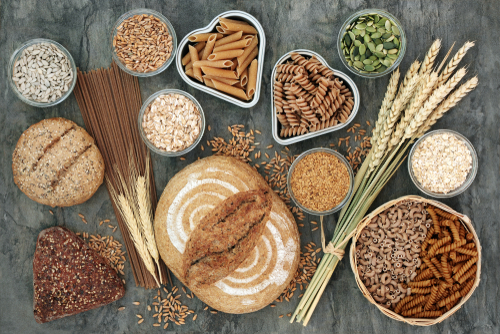
- Whole grains: oatmeal, brown rice, quinoa, barley and whole-grain breads
- Beans and legumes: black beans, chickpeas, kidney beans, peas and lentils
- Starchy vegetables: potatoes, sweet potatoes, corn and winter squash
- Fruits: apples, berries, oranges, pears and other whole fruits
- Vegetables: broccoli, carrots, leafy greens and other non-starchy vegetables
Are Carbohydrates Healthy?
Yes! Carbohydrates are impotant part of a healthy diet. The type and amount of carbohydrate you eat matter more than simply avoiding carbohydrates altogether.
Smart carbs are naturally rich in dietary fiber, which support digestive health and can help you feel satisfied after meals. Fiber is released slowly and take longer for the body to digest which helps with controlling blood sugar spikes and appetite control.
Smart carbs can also be an important source of fuel for your brain and muscles. In fact, glucose is the brain's preferred fuel source.
For most people, carbohydrates can make up a significiant portion of a healthy diet. Current dietary recommendations recommends that 45-65% of daily calories come from carbohydrates, with an emphasis on nutrient-rish sources.
What About Simple Carbohydrates?
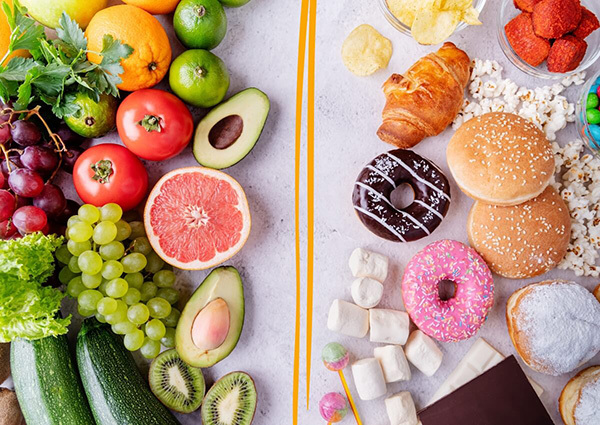
Simple carbohydrates, are highly refined carbs, which provide calories but little to no nutrients and fiber. While these foods can fit into a healthy eating pattern, they are best enjoyed as occasional treats rather than everyday staples.
Examples of simple carbohydrates include candy bars, soda, and baked goods. They create a surge in blood sugar that wreaks havoc on energy levels - think spike and crash! Use these foods as a special "once in a while" treat rather than consuming daily.
A simple way to think about it:
Choose more often:
- Whole fruits
- Potatoes and sweet potatoes
- Whole grains
- Beans and lentils
- Vegetables
Choose less often:
- Sugar-sweetened beverages
- Cookies and other highly refined sweets
- Donuts and pastries
- Candy
It's not about labeling foods as "good" or "bad." It's about making choices based on which provides more nutrition bang for your buck more often.
Smart Carbs vs. Refined Carbs
One of the biggest differences between smart carbohydrate choices and refined carbohydrate foods is how much of the original food remains after processing.
Whole grains, beans, fruits & vegetables provide carbohydrates along with fiber and other nutrients. Refined grans and highly processed carbohydrate foods may have much of that fiber and nutrition value removed during processing.
For example, consider the difference between a bowl of oatmeal topped with berries and nuts vs. a sugary breakfast pastry. The way your body feels after, how soon again you are hungry, the impact on your blood sugar, and the nutrition offered is very different.
Both contain carbohydrates, but the oatmeal, berrries and nuts all provide fiber, protein and healthy fats which help make this a much more satisfying meal and keep you fuller longer.
What About Bread, Pasta and Rice?
Contrary to what you may see online or hear from advertisements, you do not need to eliminate pasta, rice, bread or every "white" carbohydrate to follow a healthy diet. What matters most is portion control and the balance of what other foods are making up your plate.
While pasta itself isn't unhealthy, large portions of pasta without other nutrient-rich foods like vegetables and protein, make it harder to create a balanced meal. A pasta dish you receive at a restaurant may be two, three, or even four times an actual serving size.
To make your plate better balanced, cut your pasta portions in half and pair it with lean protein and a generous serving of steamed vegetables. This approach can help provide a variety of nutrients, avoid unnecessary restriction, and make your meal more satisfying.
How Many Carbohydrates Should You Eat?
While everyone's carbohydrates goals vary depending on their health issues, activity level, health goals, and overall calorie needs, it is generally recommended for the majority of the diet to be made up of carbohydrate foods.
Rather than obsessing on a specific number of grams, start by looking at the quality of your carbohdyrate choices and your overall eating pattern. A healthy eating pattern should include a variety of:
- Fiber-rich foods
- Nutrient-rich foods
- Plant-based foods
- Whole foods
And carbohydrates are an important source of many of these foods!
How to Add More Smart Carbs to Your Diet
Adding more smart carbs to youyr meals doesn't have to complicated. Try these simple swaps:
Instead of: Sugary cereal
Try: Oatmeal topped with berries and nuts
Instead of: Chips
Try: A roasted sweet potato
Instead of: Pastries
Try: Whole-grain toast with eggs and fruit
Instead of: Soda or Sweet Tea
Try: Water, sparkling water, or unsweetened tea
Instead of: Large servings of refined pasta or white rice
Try: A smaller portion of whole grain pasta or brown rice with lean protein and veggies
These small changes will add up over time and help you maintain a healthier overall eating pattern.
Breaking it All Down
Many health organizations urge people to incorporate complex or smart carbohydrates into their diets. They are they body's preferred energy source and provide many health benefits - from GI health, brain health, blood sugar control, heart health and weight management.
Healthy eating isn't about eliminating entire food groups. It's about building a balanced plate with a variety of nutritious foods, paying attention to portions and choosing foods that help you feel your best.

Start Your Healthy Journey Today!
Order Now


 Weight Loss
 Health & Wellness
 Diabetes
 Heart Health
 Motherhood & Family
 Dietary Restriction
 Other Health Conditions
 About SSHE
Learn More And Boost Your Well Being