At Seattle Sutton's Healthy Eating, we often hear questions about diet soda and artificial sweeteners. Are they safe? Are they helpful for weight loss? And what do they really do in the body?
Sugar substitutes are commonly used to reduce calories and added sugars in the diet. While they can seem like a simple swap for sugar, the science on their long-term health effects is still evolving, and the answers are not always black and white.
Let's take a closer, balanced look.
Why Are Artificial Sweeteners So Popular?
Artificial sweeteners are widely used because they offer sweetness without the calories of sugar. They are found in diet sodas, sugar-free snacks, yogurt, protein drinks, and many packaged foods.
Common artificial sweeteners include:
These ingredients are hundreds of times sweeter than table sugar, which is why they are used in such small amounts.
Many people choose these products hoping that fewer calories will automatically lead to weight loss or better blood sugar control. However, research suggests the relationship is more complex.
Is Diet Soda Bad for You?
One of the most common questions we hear is: is diet soda bad for you?
The research is mixed. Diet soda itself does not provide calories, sugar, or nutrients. However, studies have found associations between higher intake of diet soda and certain health outcomes such as:
- Increased abdominal fat in some
- Higher risk of metabolic syndrome
- Changes in appetite and cravings
It is important to note that these studies show association, not direct cause and effect. People who regularly drink diet soda may already have underlying health conditions or dietary patterns that can influence these outcomes.
Still, the research suggests that diet soda may not be the helpful weight management tool it was once believed to be.

What Happens When You Stop Drinking Diet Soda?
We often get asked: if I stop drinking diet soda will I lose belly fat?
The honest answer is, it depends.
Some people notice:
- Fewer cravings for sweet foods
- Improved hydration habits
- Better appetite awareness
- Gradual changes in portion control
For others, changes in weight or belly fat may be minimal unless overall eating patterns also improve.
The biggest benefit often comes not from removing diet soda alone, but from what replaces it.
Artificial Sweeteners, Weight, and Metabolism
One of the biggest reasons people use diet soda is weight management. But research has raised important questions about whether artificial sweeteners actually support that goal long-term.
Some studies suggest they may:
- Maintain or increase cravings for sweet cravings
- Influence taste preferences over time
- Lead to compensation (eating more elsewhere because calories were "saved")
This is why many people wonder: if I stop drinking diet soda will I lose weight?
This answer is not simple. Some individuals may experience benefits when they reduce diet soda, especially if it leads to fewer cravings and more mindful eating. Others may not see significant changes without broader lifestyle shifts.
What Does the Research Show?
Some studies suggest a potential link between high intake of diet soda and weight or metabolic outcomes.
- One study found higher diet soda intake was associated with increased abdominal obesity compared to those who rarely or never consumed it.
- A long-term study of adults over 65 who consumed high amounts of low-calorie sweeteners (about 3+ diet sodas per day) showed greater weight gain and higher rates of type 2 diabetes and heart disease.
Other studies have also observed associations between artificial sweeteners and:
- Type 2 diabetes risk
- Metabolic syndrome
- Increased blood pressure
- Cardiovascular disease
However, it remains unclear whether these outcomes are caused by artificial sweeteners themselves or related to overall dietary patterns, body composition, or health status of individuals who consume them.
Why Might This Be Happening?
Researchers have proposed several possibilities:
- Do people compensate by eating more because they “saved” calories?
- Do intensely sweet tastes increase cravings for sweet foods?
- Do artificial sweeteners alter taste perception over time?
- Do they disrupt the body’s ability to regulate appetite and energy intake?
While no single explanation has been confirmed, whether artificial sweeteners help with weight loss continues to be actively studied.
Artificial Sweeteners and Kidney Health
Another common question is: are artificial sweeteners bad for your kidneys - and can stopping diet soda improve kidney function?
Current research does not show that moderate intake of FDA-approved artificial sweeteners directly causes kidney disease in healthy individuals. According to the National Kidney Foundation, the best way to avoid health issues is to drastically cut back on sugar all together, artificial and real sugar, as as part of a kidney-supportive eating plan.
As always, the foundation of kidney health is:
- Adequate hydration
- Balanced nutrition
- Minimizing highly processed foods and beverages
Do Artificial Sweeteners Affect Cholesterol?
Another frequent question is: does diet soda increase cholesterol?
Research does not show a direct effect of artificial sweeteners on cholesterol levels. However, dietary patterns that include high amounts of diet soda may also include more processed foods and fewer nutrient-dense foods, which can indirectly influence heart health markers over time.
In other words, it is less about the sweetener itself and more about the overall dietary pattern.
Artificial Sweeteners and Blood Sugar
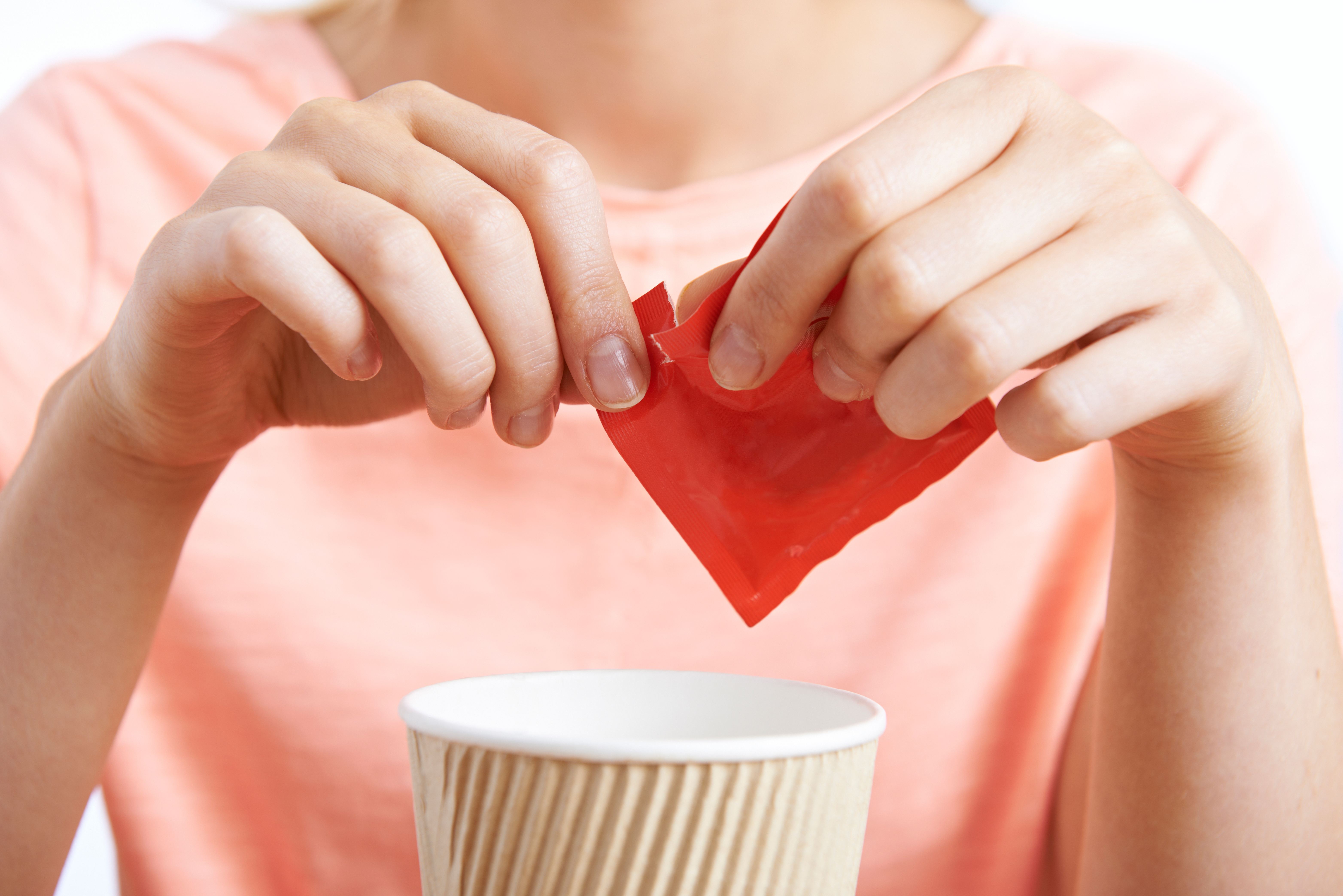
Some research has explored whether artificial sweeteners affect insulin response and blood sugar regulation. Findings remain mixed.
Some studies suggest that in certain individuals, artificial sweeteners may:
- Influence insulin response
- Affect gut bacteria
- Alter glucose tolerance
However, results are inconsistent, and more research is needed before firm conclusions can be made.
Example Research
One study from the University of Illinois examined the effects of sucralose (Splenda) on insulin response. Participants who consumed a sucralose-sweetened beverage showed a greater insulin response compared to those who drank water.
Another study published in Cell Metabolism found that participants consuming certain combinations of artificial sweeteners and carbohydrates developed changes in glucose tolerance over time.
These findings suggest that the body’s response to sweetness may be more complex than previously thought, but larger and longer-term studies are still needed.
Are Artificial Sweeteners Safe?
Regulatory agencies such as the FDA consider several artificial sweeteners safe for consumption within established daily intake limits.
However, at Seattle Sutton’s Healthy Eating, we also believe it is important to look beyond safety alone and consider long-term eating habits and overall dietary quality. Just because something is considered “safe” does not necessarily mean it supports optimal nutrition, healthy appetite regulation, or long-term dietary balance.
Recent guidance from health organizations has also shifted. For example, the American Diabetes Association has noted that there is no clear evidence that sugar substitutes improve long-term blood sugar control, weight, or cardiometabolic health.
More recently, the new 2026-20230 Dietary Guidelines for Americans state that "no amount" of low calorie of non-nutritive sweetner is recommended or considered part of a healthy diet. The recommendations specifically advise limiting aspartame, acesulfame potassium, sucralose, saccharin, and xylitol.
Our Perspective at Seattle Sutton’s Healthy Eating
At Seattle Sutton’s Healthy Eating, our meals have been free of artificial sweeteners and artificial ingredients since 1985. We take a simple, sustainable approach to nutrition:
- Emphasize whole, minimally processed foods
- Rely on natural sweetness from fruits and real ingredients
- Support balanced eating patterns that are satisfying and realistic
We believe in enjoying the natural sweetness of whole foods while also maintaining a healthy relationship with taste and cravings. Foods that are hundreds of times sweeter than sugar may reinforce a preference for intense sweetness, which can work against long-term health goals.
As research continues to evolve, we remain committed to our original mission: providing wholesome, balanced meals made without artificial sweeteners or artificial ingredients.

Start Your Healthy Journey Today!
Order Now


 Weight Loss
 Health & Wellness
 Diabetes
 Heart Health
 Motherhood & Family
 Dietary Restriction
 Other Health Conditions
 About SSHE
Learn More And Boost Your Well Being