Salt gets a bad reputation, but the truth is a little more complicated. Your body actually needs sodium to function properly. The problem is that most Americans get way more sodium than they need and most of it doesn't come from the salt shaker.
Too much salt, or more specifically sodium, can be bad for you. However, sodium is an essential mineral. It helps your body maintain fluid balance, support nerve function, and helps muscles work properly. But regularly eating too much salt can contribute to high blood pressure, which increases the risk for heart disease and stroke.
Knowing where sodium comes from and making a few simple changes can make a big difference in your health.
How Much Sodium Do You Need?
Your body need some sodium every day, but most people consume much more than their bodies need.
The Dietary Guidelines for Americans recommend limiting sodium to less than 2,300 milligrams per day for adults and children 14 years old and older. That's about the amount of sodium found in 1 teaspoon of table salt.
The American Heart Association recommends an lower limit of 1,500 milligrams for some Adults with certain health conditions. The goal isn't to avoid all sodium, it's to be aware of how much you're getting throughout the day.
Why Is Too Much Sodium a Problem?
When you get too much sodium in your diet, your body retains more water to help maintain the proper concentration of sodium in your bloodstream. Over time, consistently high sodium intake can lead to increased blood pressure. High blood pressure puts extra stress on the heart and blood vessels and is a major risk factor for stroke and heart disease.
And despite best intentions at the gym, you could unknowingly be sabotaging your efforts by eating too much sodium. Sodium attracts water like a sponge, so it increases fluid in the body. This can lead to puffiness, bloating, and an increase water weight by about 3 pounds.
For some people, reducing sodium in foods and drinks can help lower blood pressure, lower bloat, and help them feel better. Building a lower-sodium eating plan is part of an overall heart-healthy lifestyle.
Where Does Most Sodium Come From?
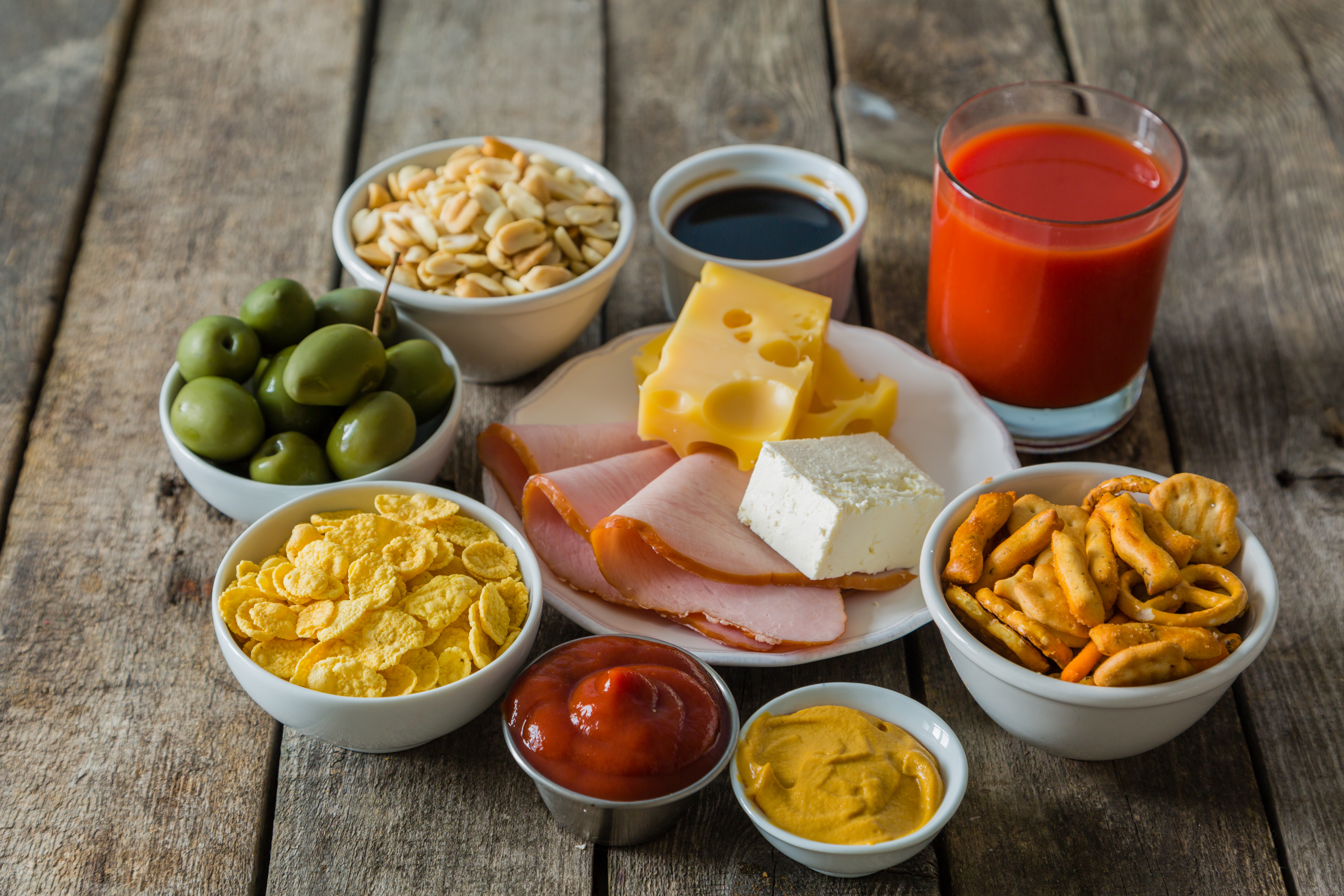
Even if you rarely use the salt shaker, you may be eating too much sodium. Most of the sodium in the American diet comes from processed, packaged and restaurant foods, not from salt added to foods.
Food companies often add salt during food processes to enhance flavor, preserve foods, or help maintain textures.
Some high sodium foods include:
- Breads and rolls
- Canned soups and vegetables
- Cheese, including cottage cheese
- Deli meat and other processed meats like hot dogs
- Fast food
- Frozen meals
- Pizza
- Restaurant meals
- Sandwiches
- Sauces, dressings, condiments
- Snack foods such as chips and crackers
Even foods that don't taste salty can have high levels of sodium.
Are Fresh Foods High in Sodium?
Fresh fruits and vegetables are naturally low in sodium. Fresh meat, poultry, fish, eggs, beans and whole grains can also be relatively low in sodium before processing or preparation.
What we need to pay attention to, is what happens to these foods before they reach our plates. For example, some fresh chicken is then highly seasoned or processed which can add a lot of sodium. The same is true when you buy vegetables in a sauce or canned versus choosing fresh.
This is one reason buying fresh food and preparing it yourself can be helpful. By cooking more meals at home with minimally processed ingredients, you have more control over how much sodium goes into your food.
How Can You Reduce Sodium Without Giving Up Flavor?
Do you think eating less sodium means your food has to be bland? Think again! There are many ways to add flavor without relying salt.
It's also important to know that your taste preferences can adapt over time. When you gradually lower the amount of salt you use, your taste bud will adjust, and you may find that you prefer the taste of foods with less salt.
Try these simple strategies:
1. Eat more fresh foods
Build your meals are fresh fruits, vegetables, whole grains, lean proteins and other minimally processed foods.
2. Choose lower-sodium versions
When purchasing food, compare Nutrition Facts labels and choose products with less sodium when possible.
3. Be mindful of condiments
Salad dressing, BBQ sauce, soy sauce, ketchup and other condiments can add a surprising amount of sodium.
4. Rinse canned foods
Draining and rinsing canned vegetables and beans can remove up to 40% of the sodium.
5. Flavor foods with herbs and spices
Garlic, onion, lemon, vinegar, peppers, herbs and spices can add lots of flavor without relying only on salt.
6. Don't assume something needs salt
Often people get in the habit of shaking some salt onto their foods before tasting it. Don't assume, taste your food and then try some salt-free seasoning first.
7. Don't assume something will taste salty
Taste isn't always the best way to tell if something has a lot of sodium. Check the Nutrition Facts label to know for sure if it is high or low in soidum.
How to Read Sodium on a Nutrition Facts Label
Reading labels is the best way to know how much sodium your really eating. Look for Sodium on the Nutrition Facts panel, it is listed in milligrams and has a % Daily Value (%DV).
As a general guide (per item, not for the whole meal):
5% DV or less: low in sodium
20% DV or more: high in sodium
Also, pay attention to the serving size. If you eat two servings, you'll consume twice the amount of sodium listed.
How much sodium should you aim for at each meal?
If you are aiming for a 1,500 mg sodium-per-day diet, dividing that amount evenly across three mals would average around 500 mg per meal.
For a 2,300 mg sodium-per-day limit, that would average about 767 mg per meal.
These are just general guidelines to think about your sodium. You don't have to eat the exact amount of sodim at every meal. What matters most is your total intake over the course of the day.
The Bottom Line on Salt
Salt isn't bad. Sodium is an essential nutrient that your body needs to funtion. The problem is consuming too much of it on a regular basis.
Because so much dietary sodium comes from packages, processed, and restaurant foods, reducing sodium doesn't necessarily mean simply removing the salt shaker from the table. The focus needs to be on the overall diet and foods eaten regularly.
The goal should be to eat more fresh, minimally processed foods. Aim to choose lower-sodium options whenever possible and read Nutrition Facts labels.
Making small changes and famililarizing yourself with what foods are high and low in sodium can add up to a healthier diet. You may find that you don't miss the extra salt as much as you thought you would.

Start Your Healthy Journey Today!
Order Now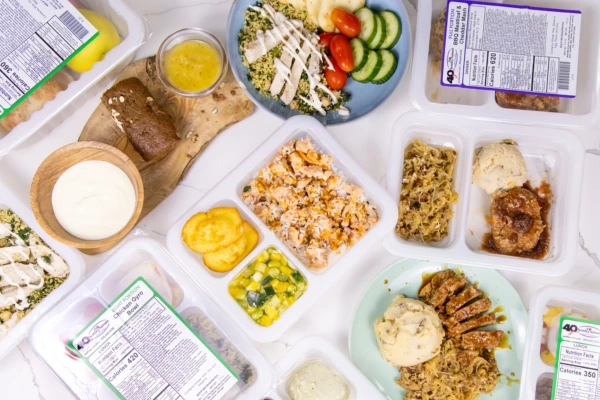


 Weight Loss
 Health & Wellness
 Diabetes
 Heart Health
 Motherhood & Family
 Dietary Restriction
 Other Health Conditions
 About SSHE
Learn More And Boost Your Well Being