An apple a day keeps the doctor away. It’s one of those sayings that has been passed down for generations, and it certainly makes apples sound like a pretty powerful little fruit. But does eating an apple every day really mean fewer trips to the doctor?
As a dietitian and diabetes educator, I love when traditional nutrition advice gets put to the test. And researchers actually did just that. The results are a little more complicated than the familiar saying suggests but they also give us a good reason to keep apples on the menu.
So, Does an Apple a Day Keep the Doctor Away?
Not exactly. In a study published in JAMA Internal Medicine, researchers set out to determine whether people who ate an apple every day actually used less health care than people who didn't.
Researchers analyzed dietary and health information from thousands of U.S. adults who participated in the National Health and Nutrition Examination Survey (NHANES). Of the participants in the analysis, 753 were considered daily apple eaters, meaning they reported eating at least the equivalent of one small apple per day.
At first glance, the apple eaters appeared to have an advantage. About 39% of people who ate an apple a day had no more than one doctor visit during the previous year, compared with about 34% of people who didn't eat apples.
But there's a catch. Once researchers accounted for other factors that can influence health such as age, smoking, body weight, education, income, and health insurance, the difference in doctor visits was not significant. In other words, the study did not show that eating an apple every day actually keeps you from needing to see your doctor.
What About Prescription Medications?
Here's where the study gets interesting. After adjusting for other factors, people who ate an apple a day were somewhat more likely to report not taking prescription medications. However, the researchers emphasized that this was an association, not proof that apples caused people to need fewer medications.
Eating an apple doesn't replace medication, medical care, or a treatment plan prescribed by your doctor. And you certainly shouldn't stop taking a medication because you've started eating more apples!
Instead, think of the study as one more piece of evidence showing why overall eating patterns matter.
Why Are Apples a Healthy Choice?
Even though an apple won't magically keep you out of the doctor's office, there's still plenty to love about this favorite fruit.
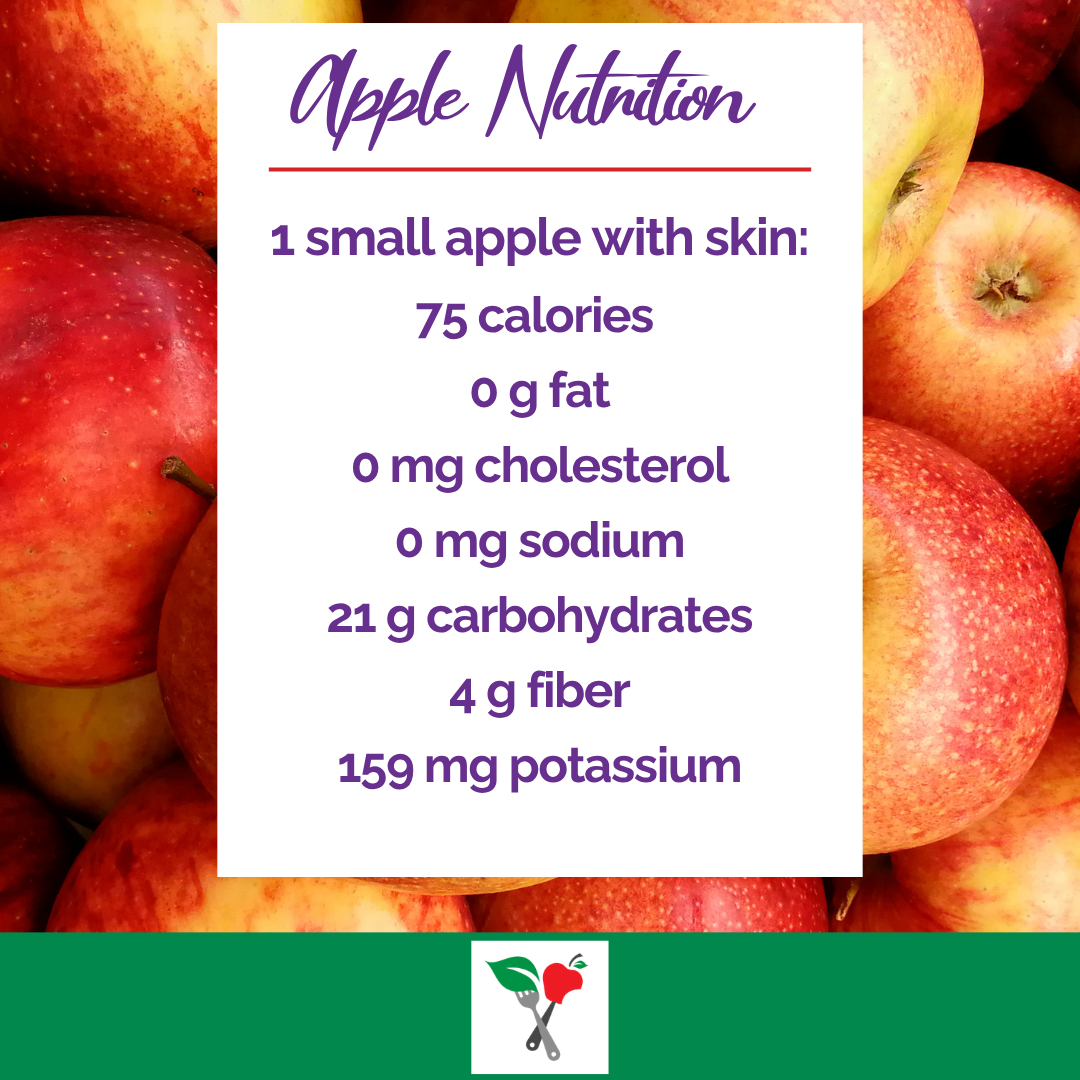
Apples provide:
- Fiber, including soluble fiber for heart & gut health, supports digestion, promotes fullness and feeds healthy bacteria
- Vitamin C and other antioxidants help protect cells and support a strong immune system
- Plant compounds, including flavonoids, may help lower LDL (bad) cholesterol
- Naturally occurring carbohydrates that provide energy
- Water and volume, which can help make a snack more satisfying
And perhaps one of the biggest advantages of apples is how easy they are to eat. They require no cooking or complicated recipes. Just grab one and go.
For people trying to improve their eating habits, those simple choices can add up.
Apples and Blood Sugar: Are They Diabetes-Friendly?
As a dietitian and diabetes educator, I'm often asked whether people with diabetes can eat fruit and my answer is always yes!
Whole fruit, including apples, can absolutely be part of a diabetes-friendly eating pattern. The fiber in whole fruit helps slow digestion, and choosing whole fruit instead of fruit juice provides more fiber and tends to be more filling and better for blood sugar.
Portion size and your overall carbohydrate intake still matter, particularly if you're managing diabetes or taking medication that affects blood sugar.
One simple strategy is to pair an apple with a source of protein or healthy fat, such as:
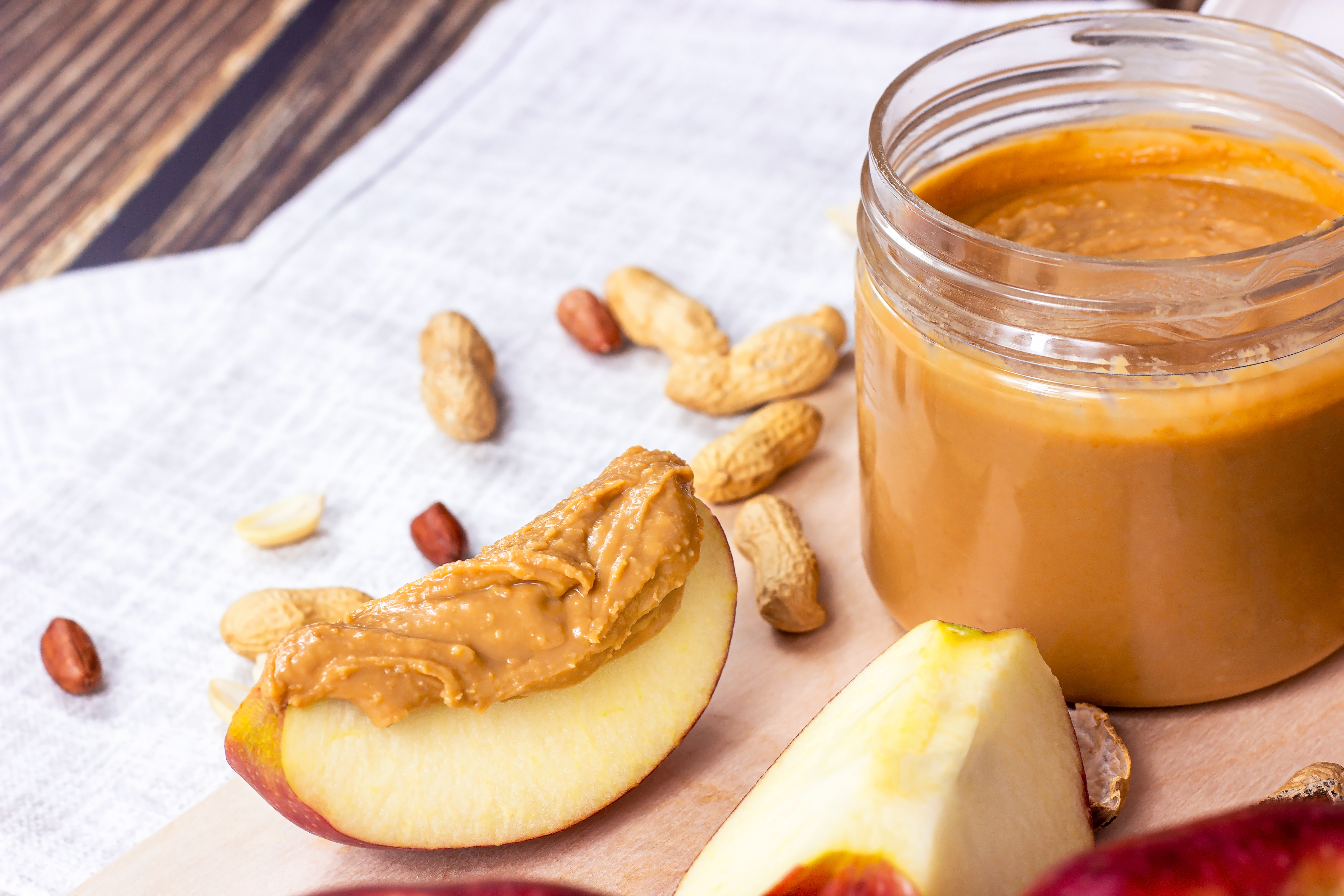
- An apple with a small amount of peanut or almond butter
- Apple slices with Greek yogurt
- An apple with a small handful of nuts
- Apple slices with cottage cheese
This turns a piece of fruit into a more balanced and satisfying snack.
Whole Apples vs. Apple Juice
Here's another important distinction: an apple and a glass of apple juice aren't nutritionally equivalent.
When you eat a whole apple, you're getting the fruit's fiber and chewing it, which can contribute to fullness. Juice removes much of that fiber and makes it easy to consume the natural sugars from several pieces of fruit in a single serving. When possible, choose the whole apple.
And don't worry too much about finding the "perfect" variety. Red, green, yellow, sweet or tart, different apples provide slightly different combinations of plant compounds, so the best apple is often simply the one you'll enjoy eating.
The Bigger Lesson: Don't Focus on Just One Food
This is perhaps my biggest takeaway from the apple study. Nutrition rarely comes down to one magical food.
An apple isn't going to single-handedly prevent illness, eliminate the need for medication, or guarantee that you'll never need a doctor. But regularly eating fruits and vegetables as part of an overall balanced eating pattern can contribute important nutrients and support good health.
Instead of asking, "What's the one food I should eat every day?", try asking: "How can I build healthier habits throughout my day that I can stick to?"
Maybe that means adding an apple to breakfast. Choosing vegetables with lunch. Including a piece of fruit with your afternoon snack. Drinking more water. Or making dinner at home a few more nights each week.
Those small choices are much more meaningful when they become part of your routine.
So, Should You Eat an Apple a Day?
If you enjoy apples, go for it! Even though the research doesn't support that literal interpretation of the old saying. Apples are an easy, affordable and nutritious way to add more whole fruit to your diet.
And if eating an apple every day helps you build a healthier routine, that's a pretty good reason to keep the tradition going.

Start Your Healthy Journey Today!
Order Now


 Weight Loss
 Health & Wellness
 Diabetes
 Heart Health
 Motherhood & Family
 Dietary Restriction
 Other Health Conditions
 About SSHE
Learn More And Boost Your Well Being